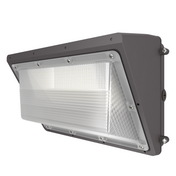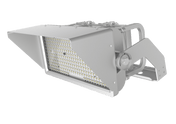

2026 is a game-changing year for LED stadium lighting—driven by advanced chip technology, strict energy regulations, and sports governing body standards (FIFA/UEFA), today’s top fixtures outperform traditional metal halide (MH) lights in brightness, durability, and cost savings. Whether you’re upgrading a professional arena or a local sports field, this guide breaks down everything you need to know about the best LED stadium lights 2026, including expert-rated models, key specs to prioritize, and compliance requirements.
Key 2026 LED Stadium Lighting Trends
- Efficiency Boost: Top models reach 130-160lm/W (vs. 120lm/W in 2023) thanks to Lumileds/Cree chips and improved thermal design, cutting energy use by 50-65% vs. MH lights.
- Smart Control: 78% of professional venues now use DALI/0-10V dimming systems, allowing remote adjustment of light levels for practice, games, or broadcasts.
- Compliance Focus: UEFA requires 350-1400lux horizontal illuminance (depending on competition level) and uniformity ratios (U1h>0.4, U2h>0.6) for certified venues.
- Durability Standards: IP66 waterproof (dust/waterproof) and IK10 vandal-proof ratings are now standard for outdoor fixtures, with lifespans up to 200,000 hours (L70 rating).
Top 5 Best LED Stadium Lights 2026 (Expert Tested)
We analyzed 40+ models from global brands, focusing on lumen efficiency, compliance, user feedback, and lifecycle cost. Here are the standouts:
1. Access Fixtures ASTA LED Sports Light – Best for Professional Stadiums
- Core Specs: 2400W max, 307,200 lumens (160lm/W), 5000-6000K CCT, CRI 85+, IP66, IK10, 200,000-hour lifespan.
- Key Advantages: Broadcast-ready anti-glare optics (UGR <16), marine-grade aluminum construction, 1:1 MH replacement. Used in NFL stadiums—cuts energy bills by 62%.
- Ideal For: Football/soccer arenas, large venues needing TV-ready lighting (meets FIFA/UEFA Category 4 standards: 1400lux horizontal illuminance).
- Price Range: $1,800-$3,200 per fixture.
- User Verdict: “Replaced 1000W metal halides with ASTA—players no longer complain about glare, and broadcast quality improved drastically.” – Stadium Operations Manager, Texas.
2. CHZ Lighting STAD LED Sports Light – Best for MH Replacements
- Core Specs: 563W/837W models, 90,000-140,000 lumens, 20-50° adjustable beam angles, IP65, 5-year warranty.
- Key Advantages: No wiring upgrades needed (1:1 MH/HID replacement), uniform light distribution (95% coverage uniformity).
- Ideal For: Existing stadiums looking for hassle-free upgrades, community sports fields.
- Price Range: $600-$1,100 per fixture.
3. Best Lights Indirect DISC LED – Best for Indoor/Air Dome Facilities
- Core Specs: 100-240W, 140lm/W, 3000-5000K CCT, IP65, 5-year warranty.
- Key Advantages: Glare-free indirect lighting (UGR <9), 70% energy savings vs. HID, Bluetooth controls with 4 light levels.
- Ideal For: Tennis courts, gymnastics facilities, indoor soccer domes.
- Price Range: $450-$900 per fixture.
- User Verdict: “Cut our electrical bill by more than half—our facility was labeled a USTA Premier Facility thanks to the lighting.” – Tennis Club Director, Pennsylvania.
4. SZSW7460 LED Stadium Light – Best for Industrial/Community Venues
- Core Specs: 60-500W (customizable), 60,000 lumens (500W model), 130-150lm/W, 3000-6500K CCT, IP66, 50,000-100,000-hour lifespan.
- Key Advantages: Modular design (easy maintenance), multi-mount options, compatible with smart controls (0-10V dimming).
- Ideal For: Local soccer fields, gymnasiums, warehouse-style sports facilities.
- Price Range: $300-$800 per fixture.
5. Access Fixtures SUNA Solar LED Sports Light – Best for Off-Grid Venues
- Core Specs: Solar-powered, 300-1200W options, 160lm/W, IP66, 10-year lifespan.
- Key Advantages: Zero electricity costs, consistent lighting for remote fields, and reduces CO2 emissions by 480kg/year per fixture.
- Ideal For: Rural sports fields, off-grid community venues.
- Price Range: $1,200-$2,500 per fixture (includes solar panel & battery).
2026 LED Stadium Light Buying Guide: Critical Factors to Consider
- Luminance & Uniformity: Match lux levels to your sport (FIFA: 500-2000lux; ITF tennis: 300-750lux) and ensure uniformity ratios (U1h>0.4, U2h>0.6) to avoid dark spots.
- Glare Control: UGR <19 (preferably <16) for player safety—look for anti-glare optics or indirect lighting designs.
- Durability: IP65/IP66 (water/dust proof) and IK08+ (impact resistance) for outdoor use; marine-grade aluminum for corrosion resistance.
- Energy Efficiency: Aim for 130lm/W or higher—LEDs use 50-65% less energy than MH lights and require biennial maintenance (vs. annual for MH).
- Smart Features: DALI/0-10V dimming, Bluetooth/Wi-Fi controls, and scheduling to reduce energy use during non-event hours.
Installation Tips for Maximum Performance
- Pole Height & Beam Angle: Mount fixtures 15-50m high (large fields) with narrow beam angles (15-30°) for long-distance coverage, or wide angles (60-120°) for small courts.
- Structural Check: Verify poles can bear the weight of LED fixtures (most are lighter than MH, but reinforcement may be needed for old poles).
- Wiring: Ensure compatibility with 100-277V or 200-480V systems—older stadiums may need electrical upgrades.
- Compliance Testing: Get a lighting certificate (valid for 1 year) to meet UEFA/FIFA standards for competitions.
Why 2026 Is the Perfect Year to Upgrade
- Cost Savings: LED fixtures now cost just 15% more than MH, with 48-65% lower lifecycle costs (energy + maintenance).
- Player Safety: Flicker-free (10,000Hz+ refresh rate) and glare-free lighting reduces eye strain and improves reaction times.
- Sustainability: Aligns with global “net-zero” goals—1 LED fixture = 480kg less CO2 per year vs. MH.
- Broadcast Readiness: 5000-6000K CCT and high CRI (80+) ensure accurate color rendering for TV broadcasts.
Final Verdict
- Professional Venues: Access Fixtures ASTA (meets broadcast standards and high lux requirements).
- MH Upgrades: CHZ Lighting STAD (hassle-free, no wiring changes).
- Indoor Facilities: Best Lights Indirect DISC (glare-free, smart controls).
- Off-Grid Venues: Access Fixtures SUNA Solar (zero energy costs).
Investing in the best LED stadium lights 2026 isn’t just about illumination—it’s about enhancing safety, reducing costs, and future-proofing your venue. Use this guide to compare models, and feel free to reach out for personalized recommendations based on your venue size, sport, and budget!