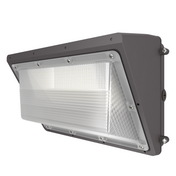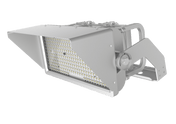

LED area lighting is the cornerstone of functional, energy-efficient illumination for commercial plazas, industrial yards, outdoor parking lots, municipal parks and large-scale open spaces. As 2026 brings groundbreaking advancements in LED technology, smart control systems and sustainable design, creating a high-performance LED area lighting scheme requires a blend of technical precision, industry trend awareness and site-specific optimization. This comprehensive design guide covers every critical aspect of LED area lighting design for 2026, from core technical parameters and product selection to layout strategies, smart integration and cost-benefit analysis, empowering designers, contractors and facility managers to create lighting solutions that balance performance, sustainability and long-term value.
Key 2026 LED Area Lighting Industry Trends Shaping Design
The 2026 LED lighting market is defined by intelligentization, high efficiency, and sustainability, with industry data projecting a 12.8% global market growth and 35.6% penetration of smart LED lighting products this year. These trends directly impact LED area lighting design and product development, setting new standards for performance and functionality:
- Ultra-high luminous efficacy – Leading LED chip manufacturers have achieved luminous efficacy of 250lm/W and above for area lighting products in 2026, with GaN-based chip technology driving significant energy savings without compromising light output.
- Smart control integration – 55% of LED area lighting drivers now support multi-protocol connectivity (WiFi, Bluetooth, Zigbee, KNX), enabling seamless integration with smart city systems, motion sensors and weather adaptive controls.
- Enhanced durability standards – Industrial and outdoor LED area lighting now features IP67+ protection ratings as a mainstream specification, with average product lifespan extended to 50,000 hours and above, reducing maintenance costs.
- Sustainable material innovation – Graphene heat dissipation materials and self-repairing coatings are being widely applied in area lighting fixtures, improving thermal performance by 15-20% and cutting long-term maintenance needs by up to 70%.
Core Technical Parameters for 2026 LED Area Lighting Design
Successful LED area lighting design starts with mastering and optimizing core technical parameters, which determine the illumination effect, energy efficiency and adaptability of the system to different application scenarios. These are the non-negotiable specs to prioritize in 2026:
Luminous Efficacy & Lumen Output
Abandon wattage as a measurement standard – focus on lumens (lm) for light output and lumens per watt (lm/W) for energy efficiency. For 2026, select area lighting products with a minimum efficacy of 200lm/W for general outdoor use and 250lm/W for high-demand industrial spaces. Match lumen output to the site’s illumination requirements: 10-20 lumens per square foot for low-traffic outdoor areas, 30-40 lm/sq.ft for commercial parking lots and 60-80 lm/sq.ft for industrial workyards.
Color Temperature (CCT) & Color Rendering Index (CRI)
Color temperature (measured in Kelvin, K) dictates the visual comfort and functionality of area lighting, while CRI (Ra) ensures accurate color perception:
- 2700K-3000K (Warm White): Ideal for public parks, residential community plazas and outdoor leisure areas, creating a cozy, inviting ambiance.
- 4000K-5000K (Cool White/Daylight): The gold standard for commercial parking lots, industrial yards, and municipal roads in 2026, offering crisp, clear illumination for safety and visibility.
- CRI Requirement: A minimum CRI of 80 for general area lighting; upgrade to Ra90+ for commercial plazas, retail outdoor spaces and areas where color accuracy is critical (e.g., outdoor product displays).
Beam Angle & Light Distribution
Beam angle directly impacts lighting layout and uniformity – the key to avoiding hotspots and dark zones in large area lighting:
- Narrow beam (15°-30°): Suitable for high-mounted area lighting (20ft+ height) and long-distance illumination (e.g., large parking lots, industrial yards).
- Wide beam (60°-120°): Ideal for low-mounted fixtures (10-20ft height) and small to medium-sized areas (e.g., community plazas, small commercial lots).
- Prioritize asymmetric light distribution for linear area lighting (e.g., along roads or walkways) to maximize coverage and minimize light pollution.
2026 LED Area Lighting Layout & Placement Best Practices
Layout is the most critical design step for LED area lighting, as it determines the uniformity of illumination, energy consumption and overall safety of the space. Follow these evidence-based best practices for 2026, tailored to the latest technology and industry standards:
- Conduct a site-specific illumination audit first – Map the site’s dimensions, terrain, usage patterns and critical zones (e.g., crosswalks, loading docks, entryways) before designing the layout. Use professional lighting simulation software (DIALux, Relux) to model illumination effects and optimize fixture placement, ensuring a uniformity ratio of at least 3:1 (maximum to minimum illuminance) for all functional areas.
- Match fixture height to beam angle and lumen output – Avoid under-mounting or over-mounting fixtures, which causes light waste and poor coverage. For 4000K cool white area lighting with a 60° beam angle, mount fixtures at 15-20ft for 30-40 lm/sq.ft coverage; for a 30° narrow beam, increase height to 20-30ft for long-distance illumination.
- Space fixtures for consistent coverage – For grid-based layouts (e.g., parking lots), space square and rectangular fixtures at a distance equal to 1.2-1.5x their mounting height; for linear layouts (e.g., walkways), space linear LED area lights 8-10ft apart for continuous illumination.
- Minimize light pollution with cut-off designs – In 2026, sustainable LED area lighting design mandates cut-off fixture designs to reduce upward light spill. Select fixtures with a maximum uplight ratio of 5% for urban and residential-adjacent areas, complying with global light pollution reduction standards.
Smart Integration for 2026 LED Area Lighting Systems
Smart technology is no longer an add-on but a core component of modern LED area lighting design, and 2026’s advanced control systems offer unprecedented flexibility, energy savings and operational efficiency. Integrate these smart features to elevate your LED area lighting design:
- Motion & occupancy sensing: Pair area lighting fixtures with passive infrared (PIR) sensors to dim lights to 30% output in low-traffic periods and boost to 100% when motion is detected – cutting energy consumption by up to 82% for high-variability spaces like parking lots.
- Weather adaptive control: Link lighting systems to weather sensors to adjust brightness based on natural light levels (e.g., dim lights on sunny days, boost on cloudy days/nights) and activate anti-glare modes in rainy/foggy conditions for improved visibility.
- Centralized smart city management: For municipal and large commercial area lighting projects, integrate fixtures with a cloud-based central control platform to monitor performance, schedule maintenance and adjust lighting schemes remotely – reducing operational costs by 35% compared to traditional manual management.
- Timer & schedule customization: Program lighting schedules to align with site usage (e.g., full brightness for business hours, reduced brightness for overnight hours) for consistent energy savings and extended fixture lifespan.
Product Selection & Cost-Benefit Analysis for 2026
Selecting the right LED area lighting products in 2026 requires balancing upfront costs with long-term value, as the latest high-efficiency, smart fixtures offer significant ROI through energy and maintenance savings. Here’s how to make informed product choices:
- Prioritize quality over low upfront cost – Cheaper LED area lighting fixtures often use low-grade chips and drivers, leading to premature failure (within 10,000 hours) and higher replacement costs. Invest in fixtures from reputable manufacturers with a 5+ year warranty – the 2026 market’s top brands offer reliable performance and long-term durability.
- Calculate total cost of ownership (TCO), not just purchase price – TCO includes upfront costs, energy costs, maintenance costs and replacement costs over the fixture’s lifespan. 2026’s 250lm/W high-efficiency LED area lighting fixtures deliver a typical ROI of 2-3 years for commercial and industrial projects, with annual energy savings of 40-60% compared to 2020-era LED fixtures.
- Match product specs to application – Avoid over-specifying fixtures for low-demand spaces (e.g., a 50,000lm industrial fixture for a small community plaza). Select application-specific products: commercial grade for plazas/parking lots, industrial grade for workyards/loading docks and municipal grade for public roads/parks – each tailored to the unique durability and performance needs of the space.
Final Design Considerations for 2026 LED Area Lighting
To create a truly exceptional LED area lighting design in 2026, beyond the technical and layout steps, keep these final considerations in mind to ensure the solution is holistic, sustainable and future-proof:
- Compliance with local lighting codes: All LED area lighting designs must adhere to municipal, state and national lighting codes (e.g., illumination levels, light pollution limits, energy efficiency standards) to avoid costly redesigns and ensure regulatory approval.
- Future-proofing for technology upgrades: Select fixtures and control systems with modular designs that allow for future upgrades (e.g., chip replacement, new sensor integration) – avoiding the need for full system replacement as LED technology evolves.
- Sustainability in the full lifecycle: Choose products made with recycled materials and designed for easy disassembly/recycling at the end of their lifespan, aligning with 2026’s global sustainability goals for the lighting industry.
- Visual comfort and safety: Balance high illumination levels with anti-glare design to avoid visual fatigue for pedestrians and drivers – a critical factor for safety in all outdoor and industrial area lighting spaces.
Conclusion
2026 is a transformative year for LED area lighting design, driven by ultra-high efficiency technology, smart integration and a global focus on sustainability. This design guide has covered the core trends, technical parameters, layout best practices, smart integration strategies and product selection tips that define effective LED area lighting in 2026 – all designed to help you create lighting solutions that deliver optimal performance, energy savings and long-term value. Whether you’re designing a small commercial plaza, a large industrial yard or a municipal park, the key to success is to blend technical precision with site-specific optimization, and to embrace the smart and sustainable trends that are shaping the future of LED area lighting. By following the principles in this guide, you can create LED area lighting systems that not only meet the illumination needs of today but also adapt to the technological advancements of tomorrow.