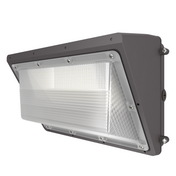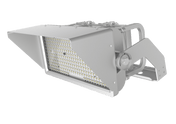

High-power stadium lights are the "eyes" of sports events, providing high-brightness and uniform lighting for stadiums of all sizes, from community sports fields to large-scale international competition venues. Whether it is the high-definition live broadcast of the Olympic Games or the daily training of amateur athletes, the stable operation of these lighting devices is indispensable. However, a hidden problem is always threatening their performance—massive heat generation during high-power operation. Core cooling technology has thus become the core key to ensuring the long-term, stable and safe operation of high-power stadium lights. In this article, we will thoroughly explore the importance of core cooling for stadium lights, the risks of poor heat dissipation, and the cutting-edge cooling technologies and solutions in the industry today.
Why core cooling is the lifeline of high-power stadium lights?
The working principle of LED high-power stadium lights determines the inevitability of heat generation. The electro-optical conversion efficiency of LED chips is only about 20%-30%, and 70%-80% of the electrical energy is converted into heat energy and concentrated in the tiny chip area. The heat flux density of the core part can even exceed 100 watts per square centimeter, which is far higher than that of ordinary electric furnace wires. Without efficient core cooling technology to guide and dissipate this heat in time, the entire lighting system will face fatal risks.
For high-power stadium lights, the core chip junction temperature is the core index of operation. Once the temperature exceeds the safe threshold, a series of chain reactions will occur: the luminous efficiency drops sharply, and the brightness may decrease by up to 30% at high temperatures; the color temperature drifts and the spectrum changes, which not only affects the viewing experience of the event but also fails to meet the professional lighting standards of high-definition live broadcast; the aging speed of core components increases exponentially, and the theoretical service life of tens of thousands of hours is directly reduced to 20,000 hours or even lower. In more serious cases, heat accumulation will trigger the overheating protection of the equipment, causing the lights to go out suddenly during the event, or even ignite the surrounding materials and cause fire accidents.
In addition, the harsh working environment of stadium lights further highlights the importance of core cooling. Outdoor stadiums need to withstand extreme temperatures in summer and winter, and the long-term continuous operation during large-scale events also puts forward higher requirements for heat dissipation performance. Only a mature and reliable core cooling system can make the high-power stadium lights maintain stable performance under various complex conditions.
The risks of poor core cooling: far more than just light decay
Poor core cooling design is not only a problem of reduced lighting performance, but also brings multiple hidden dangers to the operation of the stadium lighting system, and even endangers the safety of the venue and personnel.
Safety hazards: the risk of fire and equipment damage
Inadequately designed heat sinks or inferior heat dissipation materials will lead to serious heat accumulation inside the lamp body. In actual cases, some shoddy stadium lights have even ignited bird nests, lamp accessories and other surrounding materials due to overheating, triggering fire accidents. Even if a fire does not occur, the high temperature for a long time will cause permanent damage to the electronic components and drive power supply inside the lamp, resulting in the direct scrapping of the equipment and huge economic losses.
Increased operation and maintenance costs: frequent replacement and repair
Stadium lights are usually installed at high positions such as high poles, and the replacement and maintenance of equipment require professional aerial work. The premature aging and damage of lamps caused by poor heat dissipation mean that the stadium needs to carry out frequent maintenance work, which not only increases the labor and material costs of operation and maintenance, but also affects the normal use of the stadium during the maintenance period.
Failure to meet professional standards: affecting the holding of events
Major sports events such as the Olympic Games have extremely strict professional standards for stadium lighting, including indicators such as illuminance uniformity, color rendering index, and flicker frequency. The spectral change and light effect attenuation caused by poor heat dissipation will make the lighting system fail to meet these standards, and even lead to the venue being unable to undertake high-level events, which has a serious impact on the operation and brand of the stadium.
Cutting-edge core cooling technologies for high-power stadium lights
With the continuous development of the LED lighting industry, the core cooling technology of high-power stadium lights has also undergone iterative upgrades. Traditional cooling methods such as simple metal profile heat dissipation and passive air cooling can no longer meet the heat dissipation needs of kilowatt-level high-power density stadium lights. At present, the industry has developed a variety of efficient and advanced cooling solutions, from material innovation to structural design, from active cooling to intelligent thermal management, forming a multi-dimensional cooling technology system.
Micro-nano scale phase change heat dissipation technology
This is a revolutionary cooling technology that breaks the monopoly of foreign high-end sports lighting fields. The representative is the "micro-groove group" integrated thermal management technology independently developed by the Chinese Academy of Sciences. This technology builds numerous open micro-channels of tens to hundreds of microns on the core heat extraction component of the radiator to form a "micro-groove group" structure, and combines with the surface nano-structure to realize high-intensity micro-nano scale phase change heat transfer inside the radiator. It can quickly and efficiently transfer the heat of the high-power LED chip to the outside, completely solving the system heat dissipation problem of high-power density stadium lights, and making the kilowatt-level high-power density LED stadium lights meet the professional standards of international major events.
Composite cooling solution of phase change cooling and liquid cooling
This solution has become the industry standard configuration for high-power stadium lights. It combines the advantages of phase change cooling and liquid cooling, uses phase change materials to absorb a lot of heat when melting, and relies on the liquid cooling system to quickly transfer the heat out of the lamp body. This composite technology can reduce the working temperature of the lamp by 15-20℃ compared with traditional cooling methods, effectively extending the service life of the stadium lights to more than 80,000 hours.
Intelligent induction active cooling system
On the basis of structural and material cooling, the industry has added an intelligent control dimension to the core cooling system. This system deploys temperature sensors at the key heating parts of the stadium light, and combines with an intelligent speed regulation algorithm to realize real-time perception of the temperature change of the lamp body. It can automatically adjust the speed of the cooling fan according to the actual heating situation, realizing the transformation from "continuous cooling" to "on-demand cooling". While ensuring the cooling effect, it reduces the energy consumption of the cooling system, lowers the operating noise of the lamp, and makes the cooling more efficient and intelligent.
Application of high thermal conductivity new materials
Material innovation is the foundation of core cooling technology. The industry is constantly adopting new high thermal conductivity materials to replace traditional metal materials, improving the thermal conductivity of the heat dissipation system. For example, graphene heat spreaders have 97% of the thermal conductivity of diamonds but only one-tenth of the cost, which can quickly spread the heat of the chip; nitrided aluminum ceramic substrates have a thermal conductivity 2.1 times higher than traditional materials, effectively reducing the thermal resistance coefficient. In addition, aviation-grade aluminum alloy substrates and nano-coating technologies are also widely used, which make the thermal resistance coefficient of the heat dissipation system drop to below 0.3℃/W, greatly improving the heat conduction efficiency.
Key considerations for selecting core cooling solutions for stadium lights
For stadium operators and purchasers, it is not enough to only understand the cutting-edge cooling technologies. It is more important to select the suitable core cooling solution according to the actual situation of the stadium. The following key factors need to be considered to ensure that the selected cooling system can match the lighting demand and working environment of the stadium.
Match the power and scale of the stadium lights
The heat dissipation demand of kilowatt-level high-power density stadium lights for large-scale competition venues is far higher than that of ordinary community stadium lights. For high-power lamps, it is necessary to select advanced cooling technologies such as micro-nano phase change heat dissipation or phase change-liquid cooling composite cooling; for medium and low-power lamps, efficient active air cooling with intelligent control can be selected to balance performance and cost.
Adapt to the local natural environment
Outdoor stadiums in different regions face different climatic conditions, such as high temperature and heat in the south, low temperature and cold in the north, and high humidity in coastal areas. The core cooling solution needs to adapt to the local environment. For example, stadiums in high-temperature areas need to increase the heat dissipation area and the power of the active cooling system; stadiums in high-humidity areas need to do a good job of anti-corrosion and waterproof treatment of the cooling system to avoid damage to the equipment caused by moisture.
Consider the whole life cycle cost
When selecting the cooling solution, we should not only focus on the initial purchase cost, but also consider the whole life cycle cost including operation and maintenance, energy consumption and equipment replacement. Although the initial investment of advanced cooling technologies such as micro-nano phase change heat dissipation is relatively high, it can significantly reduce the failure rate and maintenance frequency of the equipment, and save a lot of operation and maintenance costs in the long run. At the same time, the energy-saving and efficient intelligent cooling system can also reduce the energy consumption of the cooling system and lower the daily operation cost of the stadium.
Focus on product certification and manufacturer strength
The core cooling system is the key component of the stadium light, and its quality and reliability are crucial. When purchasing, it is necessary to check whether the product has passed the relevant international and domestic certifications and meets the latest industry standards such as IES and DLC. At the same time, it is necessary to choose manufacturers with strong R&D strength and good market reputation. These manufacturers have more mature technology and perfect after-sales service, which can provide long-term technical support and maintenance guarantee for the cooling system of the stadium lights.
The future development trend of core cooling technology for high-power stadium lights
With the continuous promotion of the global sports industry upgrade and the concept of green lighting, the core cooling technology of high-power stadium lights will continue to develop in the direction of higher efficiency, intelligence, miniaturization and low carbon in the future.
On the one hand, the research and development of new heat dissipation materials will be further deepened. Graphene, carbon nanotubes and other new nanomaterials will be more widely used in the heat dissipation system of stadium lights, and the thermal conductivity will be further improved while the cost is reduced. On the other hand, the integration of cooling technology and intelligent systems will be closer. With the help of technologies such as the Internet of Things and digital twins, the stadium lighting system will realize real-time monitoring, predictive maintenance and remote control of the cooling system, and realize the whole life cycle thermal management of the equipment.
In addition, the combination of cooling technology and energy-saving and environmental protection will become a new trend. The waste heat recovered by the cooling system can be recycled for the heating and hot water supply of the stadium, realizing the energy reuse of the lighting system and reducing the overall energy consumption of the stadium. At the same time, the miniaturization of the cooling system will also make the high-power stadium lights more lightweight and easy to install, reducing the difficulty and cost of stadium transformation and construction.
Conclusion
Core cooling technology is the core guarantee for the stable operation of high-power stadium lights, and it is also a key factor restricting the development of the high-power stadium lighting industry. The massive heat generated by high-power operation, if not properly managed, will bring serious safety hazards and economic losses to the stadium. With the emergence of cutting-edge technologies such as micro-nano phase change heat dissipation, phase change-liquid cooling composite cooling, and intelligent active cooling, the core cooling capacity of high-power stadium lights has been greatly improved, making it possible for kilowatt-level high-power density stadium lights to meet the professional standards of international major events.
For stadium operators and the lighting industry, attaching importance to core cooling technology, selecting suitable cooling solutions according to actual needs, and keeping up with the iterative pace of cooling technology are the keys to ensuring the stable operation of the stadium lighting system, reducing operation and maintenance costs, and improving the professional level of the stadium. In the future, with the continuous innovation of materials and intelligent technology, the core cooling technology of high-power stadium lights will usher in more breakthroughs, and provide more reliable, efficient and green technical support for the development of the global sports lighting industry.