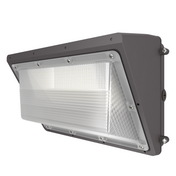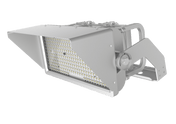

In the era of 4K/8K ultra high-definition broadcasting and global live sports streaming, every detail of a sports event is captured and transmitted to millions of viewers’ screens in real time—from a soccer player’s subtle footwork to a tennis ball’s precise trajectory, from an athlete’s facial expression to the split-second moment of a finish line crossing. High-power stadium lighting is the cornerstone of this crystal-clear live broadcast experience, and one hidden technical flaw can ruin the entire HD viewing effect: light flicker. Invisible to the human eye in many cases, light flicker becomes a glaring problem in HD broadcasting, causing screen strobing, color distortion, and even signal loss in live feeds. Flicker-free technology has thus evolved from a "nice-to-have" feature to an essential core technology for stadium lighting that undertakes professional sports HD broadcasting. In this article, we will break down why flicker-free lighting is indispensable for HD broadcasting, the technical hazards of unregulated flicker, the core design principles of flicker-free stadium lights, international industry standards, and the latest cutting-edge flicker-free technologies, revealing how to build a lighting system that perfectly matches the demands of modern ultra HD sports broadcasting.
Why does light flicker break high-definition sports broadcasting?
Light flicker in stadium lighting refers to the periodic fluctuation of light output intensity and brightness caused by unstable power supply, imperfect driver circuits, or low-quality LED chips. While the human eye’s persistence of vision may mask mild flicker (especially high-frequency flicker), HD broadcast cameras—with their high frame rates, fast shutter speeds, and ultra-sensitive image sensors—capture these tiny brightness fluctuations with extreme precision. For sports HD broadcasting, which demands real-time, high-resolution, and smooth image transmission, light flicker creates a series of technical problems that directly damage the broadcast quality and audience viewing experience, and even affect the professionalism and credibility of the event broadcast.
Screen strobing and motion blur in live feeds
HD and 4K/8K ultra HD broadcast cameras operate at high frame rates (50/60fps for HD, 100/120fps for slow-motion replay) and use fast shutter speeds to capture fast-moving sports action—this is the key to freezing split-second moments and ensuring clear slow-motion replays. When the camera’s sampling frequency does not match the flicker frequency of the stadium lights, the captured image will produce obvious screen strobing: the picture flickers continuously, the field of play appears to "flicker" or "jump", and fast-moving objects (e.g., a flying ball, a sprinting athlete) show severe motion blur or ghosting. For viewers, this strobing effect causes eye fatigue, dizziness, and a drastically reduced viewing experience; for broadcasters, it leads to countless viewer complaints and even damage to the media’s brand reputation.
Color distortion and luminance inconsistency
Flicker is not just a change in brightness—it also causes fluctuations in the color temperature and spectral output of LED stadium lights. HD broadcast systems rely on precise color calibration to restore the true colors of the event: the green of the turf, the bright hues of athletes’ jerseys, the vivid colors of venue advertising boards. Light flicker disrupts this calibration, making the broadcast image appear with color distortion, faded hues, or sudden color shifts. In addition, flicker leads to inconsistent luminance across the broadcast screen—some areas are overly bright while others are dim—destroying the uniformity of the HD image and making it impossible to present the on-field scene in a true and immersive way.
Interference with broadcast signal transmission
In severe cases, unregulated light flicker can even interfere with the electromagnetic signal of HD broadcast equipment. The periodic brightness fluctuation of stadium lights generates weak electromagnetic waves that may overlap with the frequency band of broadcast cameras, transmission cables, and wireless signal receivers, causing signal noise, interference stripes, or even temporary signal loss in the live feed. This is a catastrophic problem for major international sports events with global live broadcasts, as it can lead to the interruption of the live signal, missed key moments of the event, and huge economic losses for broadcasters and event organizers.
Violation of professional sports broadcasting lighting standards
Major international sports organizations and broadcasting unions—including the International Olympic Committee (IOC), FIFA, UEFA, and the International Telecommunication Union (ITU)—have formulated strict flicker limits for stadium lighting that undertakes HD/ultra HD broadcasting. These standards define clear technical indicators for flicker, such as flicker percentage, flicker frequency, and the Modulation Depth (MD) of light output. Stadiums that fail to meet these flicker-free standards are disqualified from hosting high-level international events with HD/4K/8K broadcasting, directly affecting the venue’s operational grade, brand value, and ability to attract top sports events.
Core principles of flicker-free design for stadium lighting in HD broadcasting
Flicker-free design for stadium lights is not a simple "anti-flicker" modification, but a systematic technical optimization covering power supply, driver circuits, LED chip selection, and control systems, based on the characteristics of HD broadcast cameras and the needs of sports lighting. The core goal of flicker-free design is to achieve 0% visible flicker and ultra-low modulation depth of light output, ensuring that the lighting system is fully compatible with high frame rate, fast shutter speed HD broadcast equipment. To achieve this goal, flicker-free stadium lighting design must follow four fundamental technical principles, balancing flicker suppression, lighting performance, and HD broadcasting compatibility.
Principle 1: Stabilize the power supply with low-ripple AC-DC conversion
The root cause of most light flicker is unstable DC power supply for LED chips. Traditional AC-DC power conversion circuits produce high ripple voltage (the periodic fluctuation of DC voltage), which causes the LED chip’s light output to fluctuate with the ripple, resulting in flicker. Flicker-free design adopts high-precision low-ripple AC-DC power supply modules with advanced PWM (Pulse Width Modulation) rectification technology, reducing the ripple factor of the output DC voltage to below 1%. This stable, ripple-free DC power supply ensures that the LED chip’s forward current remains constant, eliminating the fundamental cause of light flicker and providing a steady power foundation for flicker-free light output.
Principle 2: Adopt high-performance constant current drive circuits
LED chips are current-driven devices, and even a tiny fluctuation in the driving current will cause a change in light output. Flicker-free stadium lights use customized high-precision constant current drive circuits with closed-loop current feedback control. This circuit can real-time detect and adjust the driving current of the LED chip, keeping the current error within ±0.5% even under voltage fluctuations or load changes (e.g., high temperature operation of the lamp). The constant current drive not only suppresses flicker but also protects the LED chip from overcurrent damage, extending the service life of the stadium light while ensuring flicker-free performance.
Principle 3: Match the flicker frequency with HD broadcast sampling rates
Different HD broadcast systems use different frame rates and shutter speeds, and flicker-free design must scientifically match the flicker frequency of the lighting system with the sampling frequency of the broadcast camera to avoid the "beat frequency effect" that causes strobing. International professional standards require that the flicker frequency of stadium lighting for HD broadcasting be at least 100Hz or higher (200Hz for 4K/8K ultra HD), and the flicker frequency must be an integer multiple of the broadcast camera’s frame rate (50/60fps). This frequency matching ensures that the camera captures the same brightness level in each frame, eliminating screen strobing and motion blur in the live feed and ensuring smooth, clear HD images even for slow-motion replays.
Principle 4: Integrate flicker suppression with core lighting performance
Flicker-free design cannot be achieved at the expense of other core performance indicators of stadium lighting—illuminance, illuminance uniformity, color rendering index (CRI), and color temperature stability—all of which are equally critical for HD broadcasting. For example, a CRI below 90 will make the broadcast image lose true color details, and uneven illuminance will cause dark areas on the screen. Flicker-free design uses optical simulation and electrical performance testing to conduct a comprehensive optimization of the lighting system, ensuring that flicker suppression is integrated with high illuminance (meeting FIFA/IES broadcast standards), ultra-high uniformity (U1 ≥ 0.8, U2 ≥ 0.9), and high color rendering (CRI ≥ 90, TM-30 ≥ 85), achieving an all-round upgrade of the lighting system for HD broadcasting.
International industry standards and testing indicators for flicker-free lighting
To ensure that stadium lighting meets the technical requirements of HD/ultra HD broadcasting, international sports organizations and lighting engineering associations have formulated unified, rigorous flicker-free testing standards and technical indicators. These standards not only define the limit values of flicker but also specify the testing methods, equipment, and environmental conditions, providing a scientific and standardized basis for the design, production, and acceptance of flicker-free stadium lights. For stadium operators, lighting manufacturers, and broadcasters, mastering these core standards and indicators is the key to ensuring that the lighting system is compatible with professional HD broadcasting.
Key international flicker-free standards for sports broadcasting
- FIFA Stadium Lighting Guidelines: The most authoritative standard for football stadium lighting, it clearly requires that the flicker percentage of stadium lights for HD/4K broadcasting be ≤1%, the modulation depth (MD) ≤5%, and the flicker frequency ≥100Hz; for 8K ultra HD and slow-motion replay, the flicker frequency is required to reach 200Hz or higher, with MD ≤2%.
- IES RP-6-15 (Illuminating Engineering Society): This US-based standard specifies flicker test methods and limits for sports lighting, requiring that the flicker index (FI) be ≤0.05 and the flicker percentage (FP) ≤5% for HD broadcasting applications, and emphasizes real-time flicker monitoring during the lamp’s full life cycle.
- ITU-R BT.2020: The international telecommunication union’s standard for ultra HD video broadcasting, it links lighting flicker with broadcast image quality, requiring that stadium lighting for 4K/8K broadcasting have no visible flicker and that the light output modulation depth be controlled within the range that does not cause camera strobing.
- UEFA Stadium Lighting Requirements: For European football competitions, it further raises the flicker-free standard, requiring that the flicker percentage be ≤0.5% for Champions League and European Championship HD broadcasting, and the lighting system must pass continuous 72-hour flicker stability testing.
Core testing indicators for flicker-free stadium lights
- Flicker Percentage (FP): The percentage of the difference between the maximum and minimum light output intensity to the sum of the two, the most direct indicator of flicker degree—the lower the value, the better the flicker-free performance, with professional HD broadcasting requiring FP ≤1%.
- Modulation Depth (MD): Reflects the degree of periodic fluctuation of light output, a key indicator for ultra HD broadcasting—4K broadcasting requires MD ≤5%, 8K broadcasting requires MD ≤2%.
- Flicker Frequency (FF): The number of light output fluctuations per second, high frequency can effectively avoid camera strobing—HD broadcasting requires FF ≥100Hz, ultra HD/slow-motion replay requires FF ≥200Hz.
- Flicker Index (FI): A comprehensive indicator combining flicker amplitude and frequency, reflecting the subjective perception of flicker by the human eye and camera—professional sports lighting requires FI ≤0.05.
All flicker-free stadium lights for HD broadcasting must pass third-party professional testing in accordance with the above standards and indicators, and obtain corresponding certification documents (e.g., FIFA Quality Pro, IES Certification) to ensure compliance and professionalism.
Cutting-edge flicker-free technologies for modern stadium lights in HD broadcasting
With the rapid development of LED lighting technology, power electronics, and intelligent control, the flicker-free technology of stadium lights for HD broadcasting has undergone iterative upgrades, moving beyond traditional simple circuit optimization to a multi-dimensional technical system integrating power supply innovation, chip technology, driver design, and intelligent monitoring. The latest cutting-edge flicker-free technologies in the industry not only achieve 0% visible flicker and ultra-low modulation depth but also ensure long-term flicker stability of the lamp under harsh working conditions (high temperature, long-term continuous operation), perfectly meeting the strict requirements of 4K/8K ultra HD broadcasting and high-level sports event live feeds.
High-frequency constant current drive with digital signal processing (DSP)
This is the core technology of modern flicker-free stadium lights, a revolutionary upgrade of traditional analog drive circuits. The technology integrates a high-performance DSP chip into the constant current drive circuit, which can process the driving current signal in real time with a sampling frequency of up to 1MHz, and adjust the current parameters in microseconds to eliminate any tiny current fluctuation. At the same time, the drive circuit adopts a 200Hz high-frequency PWM dimming technology, which raises the flicker frequency of the light output to 200Hz or higher, far exceeding the HD broadcast camera’s sampling frequency, completely avoiding the beat frequency effect and strobing. This technology can reduce the flicker percentage to 0.1% or lower and the modulation depth to less than 1%, meeting the highest flicker-free standards of FIFA and UEFA for 8K ultra HD broadcasting.
Ripple-free power supply with active power factor correction (APFC)
To solve the fundamental problem of flicker caused by power supply ripple, the latest flicker-free stadium lights adopt APFC high-precision power supply modules with a power factor of up to 0.99 and a total harmonic distortion (THD) of less than 5%. The APFC technology can effectively suppress the harmonic interference of the AC power grid, convert the alternating current into a stable, ripple-free direct current with a ripple factor of 0.5% or lower, and maintain stable output voltage even when the grid voltage fluctuates (100V-277V). This ripple-free power supply ensures that the LED chip’s driving current is absolutely constant, eliminating the flicker caused by power supply instability from the source, and making the flicker-free performance of the stadium light not affected by the grid environment.
COB LED chip with integrated flicker suppression
Material and chip technology innovation is an important support for flicker-free design. The industry’s latest flicker-free stadium lights use high-power COB (Chip on Board) LED chips with integrated flicker suppression technology, which are packaged with a special phosphor layer and a high-conductivity copper substrate. The COB chip has a large light-emitting area and uniform current distribution, avoiding the local current concentration and light output fluctuation of traditional SMD chips; at the same time, the integrated flicker suppression circuit inside the chip can real-time adjust the light-emitting efficiency to offset tiny brightness changes. This chip technology, combined with high-precision drive circuits, forms a double flicker suppression barrier, ensuring the stability of light output and further improving the flicker-free performance of the stadium light.
Intelligent flicker monitoring and real-time correction system
For high-end stadiums that undertake major international events, the latest flicker-free solution adds an intelligent monitoring and correction system based on the Internet of Things (IoT) and AI algorithms. The system deploys high-precision optical flicker sensors at key positions of the stadium (e.g., broadcast camera positions, the center of the field), which collect real-time data on the flicker percentage, modulation depth, and frequency of each stadium light with a sampling frequency of 1000 times per second. The data is transmitted to a central control platform, which uses an AI algorithm to analyze the flicker status of the entire lighting system in real time; if any lamp is detected to have abnormal flicker (e.g., due to high temperature or component aging), the platform will automatically send a correction signal to the lamp’s drive circuit, adjusting the current and power parameters in real time to restore flicker-free performance. This "real-time monitoring + automatic correction" mode ensures that the stadium’s lighting system maintains 100% flicker-free stability throughout the entire event, even under long-term continuous operation.
Anti-flicker redundancy design for multi-lamp synergy
Stadium lighting systems are composed of dozens or even hundreds of high-power stadium lights, and the flicker of a single lamp may affect the overall broadcast effect. The latest flicker-free technology adopts a multi-lamp synergy anti-flicker redundancy design: all stadium lights in the system are connected to a unified intelligent control network, and the control platform synchronizes the flicker frequency and light output of each lamp to ensure that the entire lighting system has a consistent flicker characteristic. If a single lamp fails or has abnormal flicker, the system will automatically adjust the light output of the surrounding lamps to compensate for the brightness gap and eliminate the local flicker effect, ensuring that the overall lighting system still meets the flicker-free standards for HD broadcasting. This redundancy design greatly improves the reliability and stability of the flicker-free lighting system, suitable for large-scale stadiums with high broadcast requirements.
Key considerations for selecting flicker-free stadium lights for HD broadcasting
For stadium operators, purchasers, and lighting designers, selecting the right flicker-free stadium lights is the key to building a lighting system that meets HD/ultra HD broadcasting requirements. Blindly choosing products with only "flicker-free" labeling without considering the actual needs of the venue, broadcast standards, and long-term operation will not only increase investment costs but also fail to meet the professional broadcast requirements. When selecting flicker-free stadium lights for HD broadcasting, the following five key considerations must be taken into account to ensure a targeted, cost-effective, and reliable selection.
Align with the broadcast grade and event requirements
Stadiums undertake different levels of events with different HD broadcast requirements: 8K ultra HD live broadcasts for international top events (Olympics, World Cup), 4K HD broadcasts for national competitions, and 1080P HD broadcasts for amateur events and training. The flicker-free performance indicators of stadium lights must be strictly matched with the broadcast grade: for 8K ultra HD, select products with flicker percentage ≤0.5%, modulation depth ≤2%, and flicker frequency ≥200Hz (FIFA Quality Pro certified); for 4K HD, select products with flicker percentage ≤1%, modulation depth ≤5%, and flicker frequency ≥100Hz; for 1080P HD, cost-effective products with flicker percentage ≤3% and flicker frequency ≥100Hz can be selected. This graded selection balances professional performance and investment costs.
Verify third-party certification and test reports
Flicker-free performance is a technical indicator that cannot be judged by the naked eye, so it is crucial to verify the official third-party certification and professional test reports of the product. When selecting, check whether the stadium light has obtained authoritative certifications such as FIFA Quality Pro, IES Certification, or DLC Premium, and request a detailed flicker test report issued by a professional testing institution (e.g., SGS, TÜV). The test report must clearly list the flicker percentage, modulation depth, flicker frequency, and other core indicators, and confirm that the test is conducted in accordance with the latest international standards (e.g., FIFA 2024 guidelines). Avoid purchasing products with only self-proclaimed "flicker-free" labels without formal certification and test reports.
Consider the long-term flicker stability of the product
Flicker-free performance is not a one-time indicator—it must remain stable throughout the Whole Life Cycle (WLC) of the stadium light (usually 50,000 hours or more). Some low-quality products can meet flicker-free standards at the time of delivery but experience increased flicker due to component aging, high-temperature operation, or grid interference after a period of use. When selecting, focus on the product’s component quality and structural design: choose stadium lights with high-quality APFC power supply modules, DSP drive chips, and COB LED chips; check whether the product has passed high-temperature aging testing (45℃ continuous operation for 72 hours) and flicker stability testing; select manufacturers that provide a long-term warranty (3-5 years) for flicker-free performance to ensure that the product maintains stable flicker-free performance for a long time.
Ensure compatibility with other broadcast lighting indicators
Flicker-free technology is only one part of the stadium lighting system for HD broadcasting, and the product must also meet other core broadcast lighting indicators specified by international standards. Key indicators to check include: illuminance (FIFA requires ≥1500lx for HD broadcasting, ≥2000lx for 4K broadcasting), illuminance uniformity (U1 ≥ 0.8, U2 ≥ 0.9), color rendering index (CRI ≥ 90, TM-30 ≥ 85), color temperature (4000K-6500K, stable within ±200K), and no color shift. The selected stadium light must achieve a comprehensive balance of all these indicators, as a single unqualified indicator will still ruin the HD broadcast effect, even with perfect flicker-free performance.
Choose manufacturers with professional R&D and after-sales service
The flicker-free technology of stadium lights for HD broadcasting is highly professional, and the product quality and technical support depend on the manufacturer’s R&D strength and after-sales service. When selecting, choose manufacturers with strong R&D capabilities in sports lighting, rich experience in undertaking major stadium projects (e.g., Olympic, World Cup venues), and a professional technical team. These manufacturers can provide customized flicker-free lighting solutions according to the venue’s structure, broadcast requirements, and event types, and offer one-stop services from design, installation, commissioning to post-operation maintenance and technical support. In addition, check whether the manufacturer has a global after-sales service network to ensure timely technical support and component replacement in case of equipment failure during the event.
Future development trends of flicker-free technology for HD broadcasting stadium lights
With the continuous evolution of HD broadcasting technology—towards 8K/16K ultra HD, 360° panoramic live broadcast, and virtual reality (VR) sports broadcast—and the global promotion of smart sports venues, the flicker-free technology of stadium lights for HD broadcasting will continue to develop in the direction of higher precision, greater intelligence, full integration, and low carbon emissions. Future flicker-free solutions will not only focus on eliminating flicker but also integrate with ultra HD broadcast systems, smart venue management, and green lighting, creating a more efficient, professional, and sustainable lighting environment for modern sports broadcasting.
First, ultra-high precision flicker-free technology for 16K and VR broadcasting will become a new research and development focus. As 16K ultra HD and VR sports broadcasting enter the commercial stage, the requirements for flicker-free performance will be raised to a new level—flicker percentage will be required to be close to 0%, modulation depth ≤0.5%, and flicker frequency ≥400Hz. This will drive the innovation of core technologies such as higher frequency drive circuits, ultra-ripple-free power supplies, and next-generation COB LED chips, making flicker-free performance reach the physical limit of light output stability.
Second, deep integration of flicker-free lighting and ultra HD broadcast systems will be realized. Future flicker-free lighting systems will be seamlessly connected with HD broadcast cameras, video switchers, and live broadcast control platforms through 5G and IoT technology, forming a unified intelligent broadcast ecosystem. The lighting system will automatically obtain the camera’s frame rate, shutter speed, and sampling frequency in real time, and adjust its own flicker frequency and light output parameters intelligently to achieve perfect matching; the broadcast system can also monitor and control the flicker status of each stadium light in real time through the platform, realizing visual management of flicker-free performance.
Third, intelligent predictive maintenance of flicker-free performance will be widely applied. Based on AI and big data technology, future flicker-free lighting systems will collect and analyze the operating data of each lamp (temperature, current, voltage, flicker index) in real time, establish a predictive maintenance model, and predict potential flicker abnormalities and component failures in advance. The system will send an early warning to the maintenance team before the flicker performance deteriorates, realizing proactive maintenance instead of passive repair, and ensuring 100% flicker-free stability of the lighting system during key events.
Fourth, flicker-free technology combined with low-carbon and energy-saving design will become the industry standard. Under the global carbon neutrality concept, future flicker-free stadium lights will not only pursue high precision but also focus on energy conservation and environmental protection. The integration of high-efficiency LED chips, low-power DSP drive circuits, and intelligent on-demand dimming technology will reduce the energy consumption of flicker-free stadium lights by 30%-40% compared with traditional products; the use of recyclable materials and modular design will also reduce the environmental impact of the product, making flicker-free technology and green lighting perfectly integrated.
Finally, the international standardization of flicker-free technology will be further improved. With the global popularization of 4K/8K ultra HD sports broadcasting, international sports organizations and lighting associations will continue to update and refine flicker-free standards, adding more detailed requirements for different broadcast technologies (e.g., VR, 360° panoramic) and sports types (e.g., water sports, indoor sports). At the same time, countries will strengthen the formulation of local flicker-free technical codes, promoting the standardization and normalization of the flicker-free lighting industry for HD broadcasting, and ensuring the consistency and professionalism of sports broadcast quality worldwide.
Conclusion
Flicker-free technology is no longer just a technical detail of modern stadium lighting—it is an essential core technology that directly determines whether a venue can undertake professional HD/ultra HD sports broadcasting, a key threshold for measuring the professional grade of a stadium, and a fundamental guarantee for delivering a high-quality live broadcast experience to global viewers. Invisible light flicker, which is easily overlooked, can cause catastrophic problems for HD broadcasting: screen strobing, color distortion, motion blur, and even signal loss, ruining the hard work of event organizers and broadcasters, and reducing the viewing experience of millions of fans.
From the core design principles of low-ripple power supply and high-precision constant current drive to the latest cutting-edge technologies such as DSP high-frequency drive, APFC ripple-free power supply, and AI intelligent flicker monitoring, modern flicker-free stadium lighting technology has formed a systematic, multi-dimensional technical system that can achieve ultra-low flicker percentage, ultra-high flicker frequency, and long-term stable flicker-free performance, perfectly meeting the strict requirements of 4K/8K ultra HD broadcasting and major international sports events. For stadium operators and the lighting industry, the key to building a flicker-free lighting system for HD broadcasting is to abandon blind pursuit of a single indicator, and instead select targeted, certified products based on the venue’s broadcast grade, event requirements, and long-term operation needs, while ensuring the comprehensive balance of all core broadcast lighting indicators.
In the future, with the continuous development of 16K ultra HD, VR, and smart broadcast technologies, flicker-free technology for stadium lighting will move towards higher precision, greater intelligence, and deeper integration with broadcast systems. It will not only continue to eliminate the hidden dangers of light flicker for HD broadcasting but also become an important part of smart sports venues and green lighting development, providing a more professional, efficient, and sustainable technical support for the global sports broadcasting industry. Flicker-free technology is more than just optimizing stadium lighting—it’s about empowering high-definition sports broadcasting, connecting the world with crystal-clear live images, and letting every wonderful moment of sports be perfectly recorded and shared.