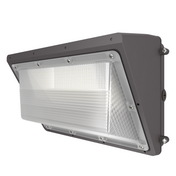

In an era where municipal budgets are stretched thin and global sustainability goals are non-negotiable, high efficacy LED street lights have become the gold standard for urban and roadway lighting projects. Traditional high-pressure sodium (HPS) and metal halide street lights offer lackluster luminous efficacy—wasting electricity, driving up energy bills and failing to deliver the bright, consistent illumination cities need for safety and functionality. The 2026 generation of high efficacy LED street lights redefines energy efficiency for municipal lighting, boasting industry-leading luminous efficacy ratings of 200lm/W and above (with premium models hitting 250lm/W+). These fixtures deliver maximum light output with minimal power draw, slashing municipal energy costs by 60-75% while meeting the strictest lighting standards for roads, residential streets, highways and public spaces. This comprehensive guide explores everything city planners, infrastructure managers and lighting professionals need to know about high efficacy LED street lights: core efficiency features, how to select the right lm/W rating for your project, real-world energy savings data and actionable 2026 best practices to implement these fixtures for maximum long-term ROI and sustainability.
Why High Efficacy LED Street Lights Are Non-Negotiable for 2026 Municipal Projects
Luminous efficacy—measured in lumens per watt (lm/W)—is the single most important metric for determining a street light’s energy efficiency: it quantifies how much light a fixture produces for every watt of electricity it consumes. For municipalities, high efficacy isn’t just a “nice-to-have” feature—it’s a critical investment that solves three core challenges plaguing traditional street lighting:
- Excessive municipal energy spending: Street lighting typically accounts for 15-25% of a city’s total electricity budget, with HPS lights (60-80lm/W) wasting power on heat rather than light. High efficacy LEDs (200-250lm/W) cut this energy load drastically, freeing up millions in funding for critical public services like road repairs, schools and public safety.
- Missed sustainability and carbon reduction targets: Cities worldwide face legally binding greenhouse gas emission goals, and lighting upgrades are one of the fastest, most tangible ways to meet them. Every kWh saved by high efficacy LEDs translates to fewer carbon emissions from power plants—with a single 250lm/W LED street light reducing annual emissions by up to 800 lbs compared to an HPS equivalent.
- Poor light output for high power draw: Traditional HPS lights require high wattages (150W-400W) to deliver adequate illumination, leading to a cycle of higher power use and higher costs. High efficacy LEDs deliver the same (or better) light output with a fraction of the wattage: a 50W 200lm/W LED produces 10,000 lumens—matching a 150W 60lm/W HPS light—cutting power draw by two-thirds.
- Grid strain during peak hours: Urban centers face growing pressure on electrical grids from population growth and increased energy use. High efficacy LEDs reduce demand on municipal grids, improving stability and eliminating the need for costly grid upgrades to support lighting infrastructure.
In short, high efficacy LED street lights turn municipal lighting from a recurring financial burden into a sustainable, cost-saving asset—with benefits that compound over the fixture’s 50,000+ hour lifespan.
Core 2026 Features That Drive High Efficacy in LED Street Lights
The industry-leading lm/W ratings of 2026 high efficacy LED street lights aren’t the result of a single innovation—they’re the product of engineered design, next-gen component technology and precision optics that work together to maximize light output and minimize power waste. These non-negotiable features are the foundation of every truly high efficacy LED street light:
Next-Gen LED Chip Technology
The heart of high efficacy lighting is the LED chip, and 2026’s top models use GaN-on-SiC (Gallium Nitride on Silicon Carbide) and flip-chip LED technology—a massive upgrade over traditional silicon chips. These advanced chips convert up to 95% of electricity into light (rather than heat), deliver consistent lm/W performance across extreme temperatures (-40°C to +60°C) and resist lumen decay, ensuring the fixture maintains its high efficacy rating for its entire lifespan.
High-Efficiency Constant Current Drivers
Even the best LED chips fail to deliver maximum efficacy with a low-quality driver. 2026 high efficacy LED street lights use 90%+ efficient constant current drivers that convert AC power from the grid to DC power for the LEDs with minimal energy loss. These drivers also feature power factor correction (PFC > 0.95), complying with municipal electrical standards and ensuring the fixture uses power efficiently at all times.
Precision Optics & Full Cutoff Design
Wasted light equals wasted energy, and 2026 high efficacy LEDs feature engineered optical lenses and full cutoff designs that direct 100% of light downward to the roadway or sidewalk—no upward light spill, no glare, no wasted lumens. These optics are tailored to different applications (narrow beams for highways, wide beams for residential streets) to ensure every lumen produced is used for functional illumination, maximizing the fixture’s effective efficacy.
Advanced Thermal Management
Heat is the biggest enemy of LED efficacy: excess heat causes lumen decay and reduces a fixture’s lm/W performance over time. 2026 high efficacy LED street lights use graphene heat sinks and passive chimney cooling design that dissipate heat 20-30% faster than traditional aluminum heat sinks. This keeps LED junction temperatures low, ensuring the fixture maintains its rated luminous efficacy for 50,000+ hours (L70 rating—70% lumen retention at 50k hours).
Low Wattage Modular Design
2026 high efficacy LEDs offer modular wattage options (30W, 50W, 75W, 100W) with matching high lm/W ratings, allowing municipalities to select the exact power/light output combination for each space. This eliminates over-specification (e.g., using a 100W LED for a low-traffic residential street) and ensures maximum efficacy by matching the fixture to the site’s lighting needs.
How to Select the Right Luminous Efficacy (lm/W) Rating for Your 2026 Project
Not all high efficacy LED street lights are created equal, and choosing the right lm/W rating is critical to maximizing energy savings and avoiding costly over-specification. The key is to match the efficacy rating to the site’s illumination requirements—not just choose the highest lm/W available. Here’s a 2026 industry guide to selecting the right efficacy for common municipal lighting applications:
| Application | Recommended Luminous Efficacy | Typical Wattage | Light Output (Lumens) | Energy Savings vs. 60lm/W HPS |
|---|---|---|---|---|
| Residential Side Streets | 200-220lm/W | 30W-50W | 6,000-11,000 | 60-65% |
| Commercial Roadways & Parking Lots | 220-240lm/W | 50W-75W | 11,000-18,000 | 65-70% |
| Highways & Major Arteries | 240-250lm/W+ | 75W-100W | 18,000-25,000 | 70-75% |
Critical Tip: Always verify a fixture’s actual rated efficacy (not just the manufacturer’s advertised number) and look for third-party certifications (e.g., DLC, ENERGY STAR) that validate lm/W performance. Uncertified fixtures often overstate efficacy, leading to lower-than-expected energy savings.
Real-World Energy Savings: High Efficacy LED Street Lights in Municipal Projects (2026 Data)
Cities across the globe have already upgraded to high efficacy LED street lights, and the 2026 data on energy and cost savings is staggering—proving that these fixtures deliver measurable, scalable benefits for projects of all sizes:
- Chicago, USA: The city completed a 275,000-fixture high efficacy LED upgrade (220lm/W) in 2025, cutting street lighting energy use by 72% and saving $14 million annually on electricity costs. The project achieved a full ROI in just 3.5 years and reduced annual carbon emissions by 180,000 tonnes.
- Manchester, UK: A 45,000-fixture upgrade to 240lm/W LED street lights delivered a 68% energy reduction, saving the city £2.1 million ($2.6 million) per year. The project also reduced maintenance costs by 85% thanks to the LEDs’ 50,000+ hour lifespan.
- Singapore: The city-state’s 2026 smart city project includes 100,000 250lm/W high efficacy LEDs, cutting power draw for street lighting from 18MW to 5MW (72% reduction) and saving S$8.9 million ($6.6 million) annually. The LEDs are integrated with smart dimming, adding an additional 20% energy savings.
- Austin, TX, USA: A 100,000-fixture upgrade to 210lm/W LEDs saved the city $5.8 million annually on energy costs and reduced carbon emissions by 75,000 tonnes per year—helping Austin meet its 2035 carbon neutrality goal five years early.
These success stories confirm that high efficacy LED street lights aren’t just a theoretical solution—they’re a proven investment that delivers immediate, long-term energy and cost savings for municipalities.
2026 Best Practices to Implement High Efficacy LED Street Lights for Maximum Savings
To unlock the full energy-saving potential of high efficacy LED street lights, proper selection, installation and integration are critical. Follow these 2026 industry best practices—tailored to municipal projects—to ensure maximum efficiency, ROI and sustainability:
- Conduct a site-specific lighting audit first: Map your city’s lighting zones (residential, highway, commercial) and their illumination requirements (footcandles/lux) before selecting fixtures. This ensures you match the right efficacy/wattage combination to each space, avoiding over-specification and wasted energy.
- Leverage municipal energy rebates and grants: Most governments offer financial incentives (20-40% of project costs) for high efficacy lighting upgrades that meet ENERGY STAR or DLC standards. These programs reduce upfront costs and accelerate ROI—many cities recoup 50% of their investment in rebates alone.
- Integrate smart dimming for additional savings: High efficacy LEDs pair perfectly with smart control systems (Zigbee, DALI, LoRaWAN) that dim lights to 30-50% during low-traffic hours (late nights, weekends). This adds an extra 20-30% in energy savings without compromising safety, and most smart systems pay for themselves in less than 1 year.
- Prioritize certified, high-quality fixtures: Avoid generic, uncertified LED street lights—they often use low-grade chips and drivers that lose efficacy over time. Select fixtures with DLC Premium and ENERGY STAR certifications, which validate long-term lm/W performance and durability.
- Invest in professional, code-compliant installation: Improper wiring, mounting or heat sink clearance can reduce a fixture’s efficacy by 10-20%. Hire licensed electricians with LED street light experience to ensure correct installation, including proper grounding and waterproof sealing.
- Use a contract energy management (CEM) model (for cash-strapped cities): CEM providers cover all upfront installation costs, and the city repays them from a portion of the annual energy savings. This eliminates fiscal pressure and lets cities unlock high efficacy LED savings with no upfront investment.
- Schedule minimal proactive maintenance: High efficacy LEDs need just one annual visual inspection and bi-annual lens cleaning to maintain their rated lm/W performance. Dirty lenses can reduce light output by 30%, so simple cleaning ensures maximum efficacy for the fixture’s lifespan.
The Future of High Efficacy LED Street Lights: 2026 and Beyond
2026 is just the beginning for high efficacy LED street light technology, with industry innovators pushing luminous efficacy even further—300lm/W+ is on the horizon—while adding smart city features that don’t compromise efficiency. The latest advancements include:
- Self-calibrating efficacy technology: Fixtures that automatically adjust power use to maintain consistent light output and lm/W performance as they age.
- Solar-powered high efficacy LEDs: Off-grid fixtures with integrated solar panels and battery storage, delivering 200+lm/W efficacy with zero grid power use.
- All-in-one smart city nodes: High efficacy LEDs integrated with 5G microcells, environmental sensors (air quality, temperature) and EV charging ports—all with minimal additional power draw, turning lighting poles into multi-functional urban infrastructure.
Global lighting industry data projects that by 2030, 90% of new municipal street lighting installations will use high efficacy LEDs (200lm/W+), driven by the undeniable energy savings, sustainability benefits and fiscal value they deliver. These fixtures are no longer just a lighting upgrade—they’re a foundational component of the smart, sustainable cities of the future.
Conclusion
High efficacy LED street lights are the definitive solution for 2026 municipal lighting projects, offering an unbeatable combination of industry-leading luminous efficacy (200-250lm/W), maximum energy savings (60-75% vs. HPS) and long-term sustainability. Engineered with next-gen LED chips, high-efficiency drivers, precision optics and advanced thermal management, these fixtures deliver bright, consistent illumination for roads, residential streets and highways with a fraction of the power draw of traditional lighting. Real-world municipal projects from Chicago to Singapore have proven their value, with millions in annual energy savings, fast ROI (2-4 years) and dramatic carbon emission reductions that help cities meet global sustainability goals. By following 2026’s best practices—conducting a site audit, leveraging rebates, integrating smart dimming and selecting certified fixtures—municipalities can unlock the full energy-saving potential of high efficacy LED street lights and turn their lighting infrastructure into a cost-saving, sustainable asset for decades to come. For city planners and infrastructure managers, high efficacy LED street lights aren’t just a smart choice—they’re the only choice for maximum energy savings, fiscal responsibility and building the smart, sustainable cities of the future.