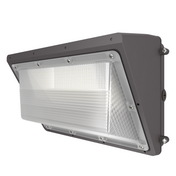

Introduction: The Nighttime Traffic Safety Crisis
Nighttime driving accounts for only 25% of total road usage but contributes to over 50% of fatal traffic accidents globally. The root cause? Inadequate illumination. Traditional street lights—such as high-pressure sodium (HPS) lamps—have poor light quality, uneven illumination, and significant glare, reducing drivers' visibility of obstacles, pedestrians, and road signs. As cities prioritize road safety and sustainability, LED street lights have emerged as a game-changing solution. By delivering brighter, more uniform illumination, reducing eye strain, and integrating smart safety features, LED technology is transforming nighttime driving and cutting accident rates dramatically.
The Science Behind LED Street Lights’ Safety Advantages
LED street lights outperform traditional lighting in three critical areas that directly impact traffic safety: light quality, directional control, and reliability.
Superior Light Quality for Enhanced Visibility
Unlike HPS lamps that emit yellowish, low-contrast light, LEDs produce high-color-rendering (CRI ≥ 60) illumination that closely mimics natural daylight. This allows drivers to distinguish colors more accurately—critical for identifying traffic signs, signals, and potential hazards like pedestrians or debris. Modern LEDs also achieve exceptional light efficacy (up to 200 lumens per watt), meaning they deliver brighter illumination with less energy. For example, Xiamen’s road lighting upgrade replaced old LEDs with new fixtures boasting 200lm/W efficacy, significantly improving road surface brightness and visual clarity for drivers.
Glare Reduction to Prevent Eye Fatigue
Glare from poorly designed lights is a major contributor to nighttime accidents, as it temporarily impairs drivers’ vision. LED street lights address this through precision optics:
- Full cutoff designs: Direct 100% of light downward, eliminating upward glare that scatters in the atmosphere.
- Optical lenses: Distribute light evenly across road surfaces, avoiding hotspots that cause discomfort.
- Warm color temperatures: Most safety-focused LEDs use 3000K-4000K warm white light, which reduces blue light emission and eye strain compared to cooler 5000K+ alternatives.
Studies show that glare reduction from LED street lights improves driver reaction times by 15-20%, a critical margin in avoiding collisions.
Unmatched Reliability and Consistency
Traditional street lights fail gradually, with light output declining by 30-50% over their lifespan. LEDs maintain 92% of their initial light flux after 6,000 hours of use and have a lifespan of 50,000+ hours—5-7 times longer than HPS lamps. This consistency ensures roads stay brightly lit without sudden dark spots that create safety hazards. Additionally, LEDs operate reliably in extreme temperatures (-40℃ to +75℃) and require minimal maintenance, reducing the risk of unlit roads due to bulb failures.
Key Safety Benefits for Drivers, Pedestrians, and Cyclists
LED street lights create a safer environment for all road users through targeted improvements.
Protecting Drivers: Reducing Collision Risks
The most significant impact is on driver safety. Brighter, more uniform illumination helps drivers:
- Detect obstacles earlier: A 2025 study found that LED-lit roads allow drivers to spot pedestrians 30% farther away than HPS-lit roads.
- Navigate complex areas: In tunnels, for example, Guicheng’s upgrade of 1,064 tunnel lights to high-efficiency LEDs created a smoother light transition between tunnel and outdoor environments, reducing the "black hole" effect that disorients drivers.
- Avoid hazards in low-visibility conditions: LEDs’ high contrast improves visibility in rain, fog, or dust, as demonstrated in Guilin’s "Fluorescent Guard" initiative, which paired LED lighting with 反光 safety measures to cut nighttime accident rates by 5.6%.
Safeguarding Pedestrians and Cyclists
Pedestrians and cyclists are among the most vulnerable road users at night. LED street lights address this by:
- Eliminating shadowed areas: Precision light distribution ensures sidewalks and crosswalks are fully illuminated, making pedestrians more visible to drivers.
- Enhancing conspicuity: The bright, natural light of LEDs makes cyclists’ reflective gear and clothing more noticeable.
- Illuminating crosswalks: Smart LED systems can automatically brighten crosswalks when pedestrians are present, drawing drivers’ attention.
Supporting Traffic Flow and Accident Response
LED street lights also improve overall traffic safety by:
- Reducing congestion: Better visibility helps drivers maintain consistent speeds and avoid sudden stops.
- Enabling faster emergency response: Bright, reliable lighting allows first responders to navigate accident scenes more efficiently.
- Integrating with traffic management: Smart LEDs can sync with traffic signals to highlight lane changes or road closures.
Real-World Success Stories: Cities Cutting Accidents with LED Street Lights
Cities worldwide have documented dramatic safety improvements after upgrading to LED street lights.
Zhangjiagang City: Smart LEDs Cut Accidents and Improve Response
In 2025, Zhangjiagang’s Yangjin Highway deployed 500+ smart LED street lights with adaptive dimming and real-time monitoring. The system adjusts brightness based on traffic flow—brightening during peak hours and dimming during low-traffic periods—while integrated cameras and sensors detect accidents and alert authorities. Key outcomes:
- Nighttime traffic accident rates dropped by 19.23% within six months of installation.
- Fault response efficiency improved by 50%, ensuring minimal downtime for repairs.
- Annual carbon emissions reduced by 250 tons, aligning safety with sustainability goals.
Guicheng: Tunnel Safety and Illumination Upgrade
Guicheng’s Haiba Road Financial Tunnel renovation replaced 1,064 outdated lights with high-efficiency LED fixtures. The project focused on creating a smooth light transition between the tunnel and outdoor environments, a critical factor in preventing disorientation. Results included:
- Tunnel illumination increased by 28%+, making hazards more visible.
- Driving safety factors improved significantly, with no reported tunnel-related accidents in the first year.
- Annual electricity savings of 410,000 kWh, demonstrating energy efficiency alongside safety.
Xiamen: Targeted Illumination for Tree-Covered Roads
Xiamen’s third-phase road lighting project addressed a common safety challenge: roads shaded by trees. The city installed LED street lights with scientific light distribution designs that bypass foliage, eliminating lighting blind spots under tree canopies. After upgrading 7,637 fixtures, Xiamen reported:
- Accident rates in tree-shaded areas reduced by 11.4%.
- Comprehensive energy savings of 40%, proving safety and efficiency can go hand in hand.
Implementation Guide: Choosing the Right LED Street Lights for Traffic Safety
To maximize safety benefits, cities and communities must select and install LED street lights based on specific road requirements.
Key Technical Specifications to Prioritize
- Light Efficacy: Aim for ≥ 150 lumens per watt to ensure bright, energy-efficient illumination.
- Color Rendering Index (CRI): Select CRI ≥ 60 to enhance color recognition.
- Color Temperature: Opt for 3000K-4000K warm white to reduce glare and eye strain.
- IP Rating: Choose IP65+ for weather resistance, critical for outdoor durability.
-
Light Distribution Type: Match the fixture’s light distribution to the road type:
- TYPE1: Narrow paths and sidewalks.
- TYPE3: Arterial roads and highways.
- TYPE5: Intersections and large open areas.
- Smart Features: Look for dimming capabilities, motion sensors, and compatibility with traffic management systems.
Installation Best Practices
- Pole Height and Spacing: Follow CJJ 45-2015 standards (e.g., 6-meter poles spaced 45 meters apart for residential roads) to ensure uniform coverage.
- Directional Alignment: Angle fixtures to focus light on road surfaces, not sidewalks or homes.
- Trenchless Installation: Minimize road disruption with direct burial methods for wiring.
- Retrofit vs. New Install: Retrofitting existing poles with LED modules is cost-effective, while new projects should integrate smart controls from the start.
Compliance with Safety Standards
Ensure fixtures meet global safety standards:
- GB 7000.203 (China): For road and street lighting safety.
- IESNA (International): For cutoff ratings and light distribution.
- GB 14887-2006 (China): For traffic signal compatibility.
The Future of LED Street Lights and Traffic Safety
As technology evolves, LED street lights are becoming even more powerful tools for traffic safety. Key trends include:
IoT and AI Integration
Smart LED systems will increasingly use AI to:
- Detect accidents or hazards (e.g., fallen trees, debris) and alert authorities in real time.
- Adjust lighting based on weather conditions (e.g., brightening during rain or fog).
- Sync with autonomous vehicles to provide targeted illumination for navigation.
Solar-Powered Solutions
Off-grid solar LED street lights are gaining traction in rural areas or locations without reliable electricity. These fixtures, like those installed in Jilin City’s Changyi District rural road project, provide consistent lighting while reducing carbon footprints.
Connected Infrastructure
LED street lights will serve as hubs for smart city infrastructure, integrating 5G, traffic sensors, and emergency call buttons to create a comprehensive safety network. Zhangjiagang’s "multi-pole integration" design already demonstrates this, combining lighting with monitoring, public broadcasting, and traffic signs.
Conclusion: Investing in LED Street Lights = Investing in Safety
LED street lights are more than an energy-efficient alternative to traditional lighting—they’re a critical investment in traffic safety. By delivering brighter, more uniform illumination, reducing glare, and integrating smart features, LEDs are cutting accident rates, protecting vulnerable road users, and creating more livable cities. The real-world success stories from Xiamen, Zhangjiagang, and Guicheng prove that LED street lights deliver tangible, data-backed safety benefits.
For cities, transportation departments, and community leaders, the choice is clear: upgrading to LED street lights is one of the most effective ways to improve nighttime traffic safety. As technology advances, these fixtures will become even more intelligent, further enhancing their ability to prevent accidents and save lives. The road to safer nights starts with better lighting—and LED street lights are leading the way.