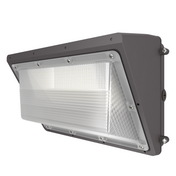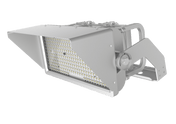

Industrial and commercial facilities face diverse environmental challenges. Warehouses can be dusty. Workshops may be damp. Cold storage areas experience condensation. Partially covered outdoor spaces are exposed to moisture and temperature swings. Standard lighting fixtures simply cannot handle these conditions—they fail prematurely, creating dark spots and driving up maintenance costs.
IP65 waterproof LED UFO high bay lights are engineered specifically for these demanding environments. Their dust-tight seal and water-jet resistance make them the ideal choice for any facility where moisture, dust, or humidity is a concern.
This guide covers everything you need to know about IP65-rated LED UFO high bay lights—what the rating means, why it matters for industrial applications, how to select the right fixture, and the long-term cost benefits of upgrading.
What Does IP65 Mean for High Bay Lights?
The Ingress Protection (IP) rating system defines how well a fixture resists solid objects (like dust) and liquids (like water). For industrial lighting, IP65 is the minimum standard for environments where dust or moisture is present.
| Rating Component | What It Protects Against | Industrial Application |
|---|---|---|
| 6 (Dust-tight) | Complete protection against dust ingress | Woodworking shops, cement plants, grain handling facilities |
| 5 (Water jets) | Protection against low-pressure water jets from any direction | Damp workshops, washdown areas, covered outdoor spaces |
What IP65 does NOT mean: IP65-rated fixtures are not submersible. They can withstand rain, splashing, and directed water jets, but they should not be installed in locations where they will be submerged or exposed to high-pressure, high-temperature washdowns (which require IP66 or IP69K ratings).
Why IP65 Matters for Industrial Environments
Industrial facilities present unique hazards that standard fixtures cannot withstand.
The result: IP65-rated fixtures deliver consistent, reliable illumination for years, rather than failing after months in harsh conditions.
Key Features of IP65 Waterproof LED UFO High Bays
1. Durable Housing Construction
IP65-rated UFO high bays typically feature die-cast aluminum housings that provide both protection and heat dissipation. The material resists corrosion, withstands impacts, and efficiently draws heat away from LED components.
Real-world example: A JNLED high bay fixture uses die-cast aluminum housing with an IP65 rating, designed to replace 300W metal halide fittings in warehouses and logistics facilities.
2. Superior Heat Dissipation
LEDs generate heat, and heat is the enemy of LED lifespan. IP65 fixtures must manage heat effectively while maintaining a sealed housing.
The ALTA series from Access Fixtures features extruded aluminum housing with die-cast end caps and superior thermal management for demanding environments.
3. Wide Operating Temperature Range
IP65-rated fixtures are available with temperature tolerance for extreme conditions.
| Temperature Range | Application |
|---|---|
| -22°F to 113°F (-30°C to 45°C) | Standard industrial and commercial |
| -35°C to +55°C | Cold storage, damp workshops |
Some models feature cold-rated capacitors and remote driver options for extreme environments.
4. High Lumen Output and Efficacy
IP65-rated UFO high bays deliver impressive performance across a wide range of wattages.
Selecting the Right IP65 UFO High Bay
Step 1: Determine Wattage and Lumen Requirements
| Ceiling Height | Recommended Wattage | Typical Lumens | Application |
|---|---|---|---|
| 12–16 ft | 100–150W | 14,000–22,500 lm | Garages, small workshops |
| 16–22 ft | 150–200W | 21,000–32,000 lm | Warehouses, gymnasiums |
| 22–40 ft | 240–300W | 36,000–45,000 lm | Large industrial spaces |
Step 2: Choose Color Temperature (CCT)
Step 3: Verify Key Specifications
Smart Control Compatibility
Many IP65-rated LED UFO high bays are controls-ready, enabling advanced energy management strategies.
Frequently Asked Questions
Q: What is the difference between IP65 and IP66 for high bay lights?
A: IP65 protects against dust ingress and low-pressure water jets. IP66 protects against dust and more powerful water jets (heavy spray). For most industrial applications, IP65 is sufficient; IP66 is recommended for washdown areas or locations with high-pressure cleaning.
Q: Can IP65 high bay lights be used outdoors?
A: Yes, but with caution. IP65 fixtures can withstand rain, snow, and humidity, but they are not fully waterproof for open outdoor installations. Use IP66 or IP67 for direct outdoor exposure with no overhead protection.
Q: Do IP65 fixtures work in cold storage?
A: Yes, if rated for low temperatures. Look for fixtures with operating temperature ranges that extend below freezing—some are rated down to -35°C or lower.
Q: What is the typical lifespan of an IP65 LED UFO high bay?
A: Premium fixtures offer 50,000 hours or more of L70-rated performance. At 12 hours of daily operation, this equals over 11 years of service.
Q: Are IP65 fixtures DLC-listed for utility rebates?
A: Many are, but verify DLC certification before purchasing. DLC-listed fixtures qualify for utility rebates that can cover 15–50% of upfront project costs.
Final Verdict
IP65 waterproof LED UFO high bay lights are the definitive choice for industrial and commercial environments where moisture, dust, and harsh conditions are a concern. They deliver:
The bottom line: If your facility operates in a damp, dusty, or variable-weather environment, standard lighting will fail prematurely. IP65 waterproof LED UFO high bay lights are built for the conditions you face—and they pay for themselves in months, not years.
The question is no longer whether to upgrade. It is how soon you can make the switch.