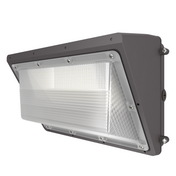

Cities worldwide are racing to balance urban development, fiscal responsibility and environmental sustainability—and low power consumption LED street lights have emerged as a cornerstone solution for modern municipal lighting projects. Traditional high-pressure sodium (HPS) and fluorescent street lights drain municipal budgets with excessive energy use, while failing to meet the growing demand for eco-friendly, reliable urban lighting. The 2026 generation of low power LED street lights redefines efficiency for city projects, delivering bright, uniform illumination with a fraction of the energy draw of outdated technologies, slashing electricity costs, cutting carbon emissions and aligning with global sustainability goals. This guide explores why low power LED street lights are the ideal choice for city lighting projects, their core energy-saving features, real-world municipal success stories and actionable steps to implement them for maximum long-term value in urban areas.
Why City Projects Need Low-Power-Consumption LED Street Lights
Municipal lighting is a critical urban infrastructure expense, and traditional lighting technologies create a host of challenges for city planners and finance departments—challenges that low-power LED street lights solve entirely:
- Skyrocketing municipal energy costs: Street lighting typically accounts for 15-20% of a city’s total electricity expenditure, with HPS lights consuming excessive power for subpar illumination. Low-power LEDs cut this energy load dramatically, freeing up funds for other critical city projects like road repairs and public services.
- Stringent sustainability and carbon reduction goals: Cities globally face mandatory targets to lower greenhouse gas emissions, and lighting upgrades are one of the most tangible ways to meet these goals. Low-power LED street lights reduce carbon footprints while requiring no compromise on lighting quality or safety.
- Scalability for large urban projects: City lighting projects often cover thousands of fixtures across residential streets, highways, downtown districts, and public spaces. Low-power LEDs offer consistent energy efficiency at scale, with uniform performance that ensures consistent illumination across entire urban areas.
- Reduced strain on municipal power grids: Low power consumption means less demand on city electrical grids, particularly during peak hours. This improves grid stability and reduces the need for costly grid upgrades, a key benefit for growing urban centers.
In short, low-power LED street lights turn city lighting from a recurring financial burden into a sustainable, cost-effective investment for urban development.
Core Features of 2026 Low Power LED Street Lights for City Projects
The 2026 low-power LED street lights engineered for municipal use aren’t just “energy-efficient”—they’re built from the ground up to meet the unique demands of city projects, with features that maximize energy savings while delivering the durability and performance cities need:
Ultra-High Luminous Efficacy, Minimal Power Draw
2026’s top low-power LED street lights achieve 200-250 lumens per watt (lm/W), a massive leap over HPS lights (60-80 lm/W). This means a 50W LED fixture can match or outperform a 150W HPS light in light output, cutting power consumption by 60-75% per fixture. For city projects with 10,000+ fixtures, this translates to millions in annual electricity savings.
Adaptive Smart Dimming & Photocell Integration
Nearly all low power LED street lights for city use come with built-in photocells and smart dimming capabilities (Zigbee, DALI, LoRaWAN). These features automatically adjust brightness based on natural light and traffic flow—dimming to 30-50% during low-traffic late nights and brightening to 100% during peak hours. This demand-based lighting cuts energy use by an additional 20-30% without compromising safety.
Full Cutoff Optics for Targeted Illumination
Wasted light equals wasted energy, and 2026 low power LEDs feature full cutoff optics that direct light downward to roadways and sidewalks—no upward light spill or glare. This eliminates energy waste from light pollution, ensures every watt of power is used for functional illumination and complies with International Dark Sky Alliance guidelines for urban lighting.
Low Wattage, High Performance Modular Design
City projects require flexible lighting solutions, and 2026 low power LEDs offer modular wattage options (30W, 50W, 75W, 100W) to match every urban space—30W for residential side streets, 100W for busy highways. The modular design also means components can be replaced without full fixture teardowns, maintaining low power efficiency for the fixture’s entire 50,000+ hour lifespan.
Real-World City Project Success with Low Power LED Street Lights
Cities across the globe have already implemented low power consumption LED street light projects, and the results speak for themselves—massive energy savings, reduced costs and tangible sustainability gains that set a benchmark for urban lighting upgrades:
- Knoxville, USA: The city upgraded 29,500 street lights to low power LEDs, cutting energy use by 70% and saving $2.2 million annually on electricity costs. The project achieved a full ROI in just 7.3 years and reduced greenhouse gas emissions by 80%.
- Frankston, Australia: A $1.73 million low power LED upgrade of 6,960 residential street lights delivered 55% energy efficiency gains, with an estimated $4 million in total electricity and maintenance savings over the fixtures’ 20-year lifespan. The project also cut annual carbon emissions by 446 tonnes.
- Nanning, China: The city replaced 34,269 HPS lights with low power LEDs for its urban lighting project, slashing total lighting power from 11,186KW to 5,333KW (52% energy savings). The project saves 23.5 million kWh of electricity annually and reduces carbon emissions by 12,100 tonnes each year, with $1.577 million in annual electricity cost savings Nanning Municipal Administration of Urban Management and Landscaping.
These success stories prove that low power LED street lights aren’t just a theoretical solution—they deliver measurable, scalable benefits for city projects of all sizes.
2026 Best Practices for Implementing Low Power LED Street Lights in City Projects
To maximize energy savings, cost efficiency and sustainability for your city’s lighting project, follow these 2026 industry best practices—tailored to the unique needs of municipal urban lighting:
- Conduct a city-wide lighting audit first: Map all existing fixtures, their power draw and lighting needs across residential, commercial and highway zones. This ensures you select the right low wattage LED fixtures for each space, avoiding over-specification and wasted energy.
- Leverage municipal energy rebates and funding: Many governments offer financial incentives, rebates and grants for city sustainability projects like LED lighting upgrades. These programs can reduce upfront project costs by 20-40%, accelerating ROI.
- Adopt a contract energy management (CEM) model: For cash-strapped municipalities, the CEM model lets energy service companies cover upfront LED installation costs, with the city repaying them from a portion of the annual energy savings. This eliminates upfront fiscal pressure while unlocking immediate efficiency gains南宁市市政和园林管理局.
- Integrate with smart city control platforms: Connect low power LEDs to a central smart city lighting management system for real-time monitoring, remote dimming and predictive maintenance. This ensures optimal low power performance across the entire city’s lighting network and reduces operational costs.
- Prioritize durable, weather-resistant fixtures: City projects demand fixtures that stand up to urban conditions—select low power LEDs with IP66/IP67 waterproof/dustproof ratings and corrosion-resistant aluminum housings. This ensures long-term efficiency with no performance loss from environmental damage.
Low Power LED Street Lights: A Cornerstone of Sustainable Smart Cities
2026 low power consumption LED street lights are more than just a lighting upgrade—they’re a foundational component of the modern smart city. The latest models integrate seamlessly with other smart city technologies, including 5G microcells, environmental air quality sensors, EV charging ports and traffic monitoring cameras—all while maintaining their ultra-low power draw. This turns street lighting poles into multi-functional urban infrastructure nodes, delivering more value for city projects without increasing energy use or costs.
As cities continue to grow and prioritize sustainability, low power LED street lights will remain a non-negotiable choice. They align with every core municipal goal: cutting fiscal costs, reducing carbon footprints, improving urban safety and building the smart, sustainable cities of the future.
Conclusion
Low power consumption LED street lights are the definitive lighting solution for 2026 city projects, offering an unbeatable combination of extreme energy efficiency, massive cost savings, sustainability and scalability. Engineered with 200-250 lm/W luminous efficacy, adaptive smart dimming and full cutoff optics, these fixtures cut power consumption by 60-75% compared to traditional HPS lights, delivering millions in annual electricity savings for municipal governments. Real-world city projects from Knoxville to Nanning have proven their value, with fast ROI, dramatic carbon emission reductions and improved urban lighting quality for residents and drivers. By conducting a city-wide lighting audit, leveraging municipal funding, adopting smart city integration and prioritizing durable fixtures, city planners can implement low power LED street light projects that deliver long-term value for decades. For cities aiming to build sustainable, fiscally responsible and smart urban infrastructure, low power consumption LED street lights aren’t just an upgrade—they’re a necessary investment in the future of urban development.