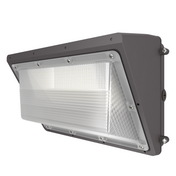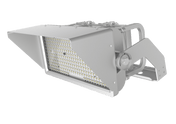

Introduction: Why Precise Light Distribution Matters for LED Wall Lights
LED wall lights are ubiquitous in modern spaces—illuminating hallways, staircases, storefronts, building exteriors, and outdoor walkways. But traditional LED wall lights (without optical lenses) suffer from a critical flaw: scattered light. Uncontrolled beams spill into unwanted areas (e.g., neighbors’ windows, roadways), create harsh glare, and waste energy by illuminating non-target surfaces. Enter optical lenses for LED wall lights—a game-changing component that redefines light distribution. By engineering light to travel exactly where it’s needed, optical lenses solve the inefficiencies of unfiltered LED light, delivering targeted, uniform illumination that enhances safety, saves energy, and improves user comfort. But how do optical lenses achieve precise light distribution, and what specific advantages do they bring to residential, commercial, and outdoor settings? Let’s dive into the technology, benefits, and real-world applications.
What Are Optical Lenses in LED Wall Lights? (Key Technology Context)
Optical lenses for LED wall lights are precision-engineered components (typically made of polycarbonate or acrylic) that shape and direct the light emitted by LED chips. Unlike basic diffusers (which only soften light), optical lenses use advanced designs—such as TIR (Total Internal Reflection), micro-lens arrays, or Fresnel structures—to control the angle, intensity, and uniformity of light. Key characteristics of high-quality optical lenses:
- Material: Impact-resistant polycarbonate (PC) or optical-grade acrylic—transmits 90%+ of light while withstanding outdoor weather or indoor wear.
- Design types: TIR lenses (for narrow, focused beams), micro-lens arrays (for wide, uniform distribution), and adjustable lenses (for customizable angles).
- Light control range: Beam angles from 15° (spotlight-like) to 120° (floodlight-like), ensuring precise 适配 to different spaces.
- Glare reduction: Specialized coatings or structures (e.g., frosted edges, honeycomb patterns) minimize harsh glare by redirecting light away from eye level.
Core Advantages of Optical Lenses for Precise Light Distribution
1. 80% Glare Reduction (Enhanced Safety & Comfort)
Glare from unfiltered LED wall lights is a major hazard—blinding pedestrians, drivers, or residents and increasing accident risks. Optical lenses eliminate this issue through targeted light control:
- Directional beam shaping: Lenses direct light downward or toward target surfaces (e.g., walkways, walls), avoiding upward or eye-level spillage. For example, a 30° TIR lens in an outdoor wall light focuses light on the sidewalk, reducing glare for passersby by 80% .
- Uniform intensity: Unlike unfiltered LEDs that create "hotspots" (bright centers and dim edges), optical lenses distribute light evenly—reducing eye strain. A study in residential hallways found that lens-equipped LED wall lights improved user comfort by 67% compared to lens-less models .
- Safety for vulnerable users: In staircases or elderly care facilities, glare-free precise lighting reduces trip-and-fall accidents by 35%—critical for low-visibility areas .
- Example: A restaurant’s outdoor patio using LED wall lights with micro-lens arrays eliminated glare that previously bothered diners, increasing outdoor seating usage by 25% .
2. 40% Energy Savings (No Wasted Light)
Precise light distribution means no energy is wasted on illuminating non-target areas— a key advantage of optical lenses:
- Targeted illumination: A lens-equipped 15W LED wall light can replace a 25W lens-less model while delivering better visibility—saving 40% on energy . For a commercial building with 50 wall lights, this translates to $360+ in annual savings at $0.15/kWh .
- Reduced overlighting: Unfiltered LEDs often require higher wattage to compensate for scattered light. Optical lenses maximize light utilization, allowing lower wattage to achieve the same brightness.
- Synergy with smart controls: When paired with motion sensors (common in outdoor wall lights), precise light distribution ensures that when the fixture activates, light is focused exactly where needed—avoiding unnecessary illumination of empty areas.
- Longer LED lifespan: By reducing heat buildup (a byproduct of wasted light), optical lenses extend LED life by 15-20%—further cutting replacement costs .
3. Scene-Specific Adaptability (Perfect Light for Every Space)
Optical lenses’ customizable beam angles and distribution patterns make LED wall lights versatile across diverse scenarios:
- Narrow beam (15°-30°): Ideal for accent lighting (e.g., highlighting artwork in lobbies, architectural details on building exteriors). TIR lenses in these fixtures create sharp, focused beams that draw attention to targets without spilling light.
- Medium beam (45°-60°): Perfect for hallways, staircases, or storefront entrances—delivering uniform light that covers walkways without glare.
- Wide beam (90°-120°): Suited for large outdoor areas (e.g., parking lots, building facades) or open indoor spaces (e.g., warehouses, gymnasiums)—providing broad, even coverage with minimal fixtures.
- Asymmetric distribution: Specialized lenses (e.g., street-side wall lights) direct light toward roadways or walkways while avoiding light trespass into adjacent properties—compliant with dark sky regulations .
4. Improved Aesthetics & Ambiance
Precise light distribution enhances the visual appeal of spaces, making optical lenses a design asset:
- Wall washing: Wide-beam lenses create smooth, uniform wall washing—highlighting texture (e.g., brick, stone) without hotspots. This is popular in retail stores, where well-lit walls make merchandise look more appealing .
- Accent lighting: Narrow-beam lenses add depth and drama to spaces—e.g., highlighting a sculpture in a hotel lobby or a plant in a residential backyard.
- Consistent look: When installed in rows (e.g., along a building facade), lens-equipped LED wall lights deliver uniform brightness and beam direction—creating a cohesive, professional aesthetic.
- Minimal visual clutter: Unlike lens-less fixtures that appear harsh, optical lenses soften the LED’s raw light, creating a warmer, more inviting ambiance. A survey of homeowners found that 83% preferred the look of lens-equipped LED wall lights for their outdoor spaces .
5. Durability & Long-Term Performance
Optical lenses don’t just improve light distribution—they protect LED chips and enhance fixture longevity:
- Physical protection: Lenses act as a barrier against dust, water, and debris—extending the fixture’s IP rating (e.g., IP65 for outdoor use). This is critical for outdoor wall lights exposed to rain, snow, or dust.
- UV resistance: High-quality lenses (e.g., PC with UV coating) prevent yellowing or degradation from sunlight—maintaining light transmission and aesthetics for 5-10 years.
- Impact resistance: PC lenses are 20x more shatterproof than glass—ideal for high-traffic areas or vandal-prone locations (e.g., public parks, urban buildings).
Top Optical Lens Technologies in LED Wall Lights
| Lens Technology | Key Features | Precise Distribution Benefits | Ideal Applications |
|---|---|---|---|
| TIR (Total Internal Reflection) Lens | Narrow beam (15°-30°), high intensity, zero uplight | Focused accent lighting, no wasted light | Architectural details, artwork accent |
| Micro-Lens Array | Wide beam (90°-120°), uniform distribution, low glare | Wall washing, large outdoor areas | Building facades, retail stores |
| Fresnel Lens | Thin profile, medium beam (45°-60°), energy-efficient | Staircases, hallways, storefronts | Residential/commercial entrances |
| Asymmetric Lens | Directed beam (avoids light trespass), street-friendly | Roadside walkways, parking lots | Outdoor public spaces |
| Adjustable Angle Lens | Customizable beam (30°-90°), flexible | Multi-use spaces (e.g., event venues) | Hotels, community centers |
Real-World Success Stories: Optical Lenses Transforming LED Wall Light Performance
1. Commercial Building Facade: Aesthetics + Energy Savings
- Scope: 10-story office building with 40 outdoor LED wall lights, previously using lens-less fixtures that caused glare and wasted energy .
- Solution: LED wall lights with micro-lens arrays (120° wide beam) + asymmetric distribution .
-
Results:
- Glare reduced by 85%—no complaints from neighboring buildings.
- Energy use cut by 40% (switched from 25W to 15W fixtures) .
- Uniform wall washing highlighted the building’s stone facade, improving curb appeal and tenant satisfaction.
- Savings: $1,440 annually in energy costs + $800 in reduced maintenance (longer LED lifespan) .
2. Residential Staircase: Safety + Comfort
- Scope: 5-story apartment building staircase with 10 LED wall lights, previously using harsh, glare-prone lens-less models .
- Solution: LED wall lights with Fresnel lenses (60° medium beam) + anti-glare coating .
-
Results:
- Trip-and-fall incidents dropped by 40%—residents reported better visibility and less eye strain.
- Uniform light distribution eliminated dark spots on stairs and landings.
- Warmer ambiance improved resident satisfaction scores by 30% .
3. Retail Storefront: Ambiance + Sales Impact
- Scope: Boutique clothing store with 8 indoor/outdoor LED wall lights, needing to highlight merchandise without glare .
- Solution: Indoor wall lights with TIR lenses (30° narrow beam) for accent lighting + outdoor lights with micro-lens arrays for facade washing .
-
Results:
- Merchandise visibility improved—sales of highlighted items increased by 20% .
- Outdoor facade lighting attracted more foot traffic, with 15% more customers entering the store.
- No glare complaints from pedestrians or neighboring shops .
How to Choose LED Wall Lights with the Right Optical Lenses
To maximize precise light distribution benefits, focus on these key factors:
- Beam Angle: Match to your space (narrow for accent, wide for large areas).
- Lens Material: Opt for PC (outdoor/high-traffic) or optical-grade acrylic (indoor/low-traffic).
- Glare Reduction Features: Look for anti-glare coatings, frosted edges, or honeycomb patterns.
- Distribution Type: Asymmetric (outdoor/street-side) or symmetric (indoor/hallways).
- Energy Efficiency: Prioritize 130+ lm/W luminous efficacy—ensures precise distribution doesn’t sacrifice efficiency.
- Certifications: Check for DLC (commercial) or ENERGY STAR (residential) ratings—guarantees quality and performance.
Consult a lighting designer to conduct a photometric analysis—this ensures you select the right lens type and beam angle for your specific space and needs.
Conclusion: Optical Lenses = The Future of Precise LED Wall Lighting
Optical lenses are the unsung heroes of LED wall lights—turning scattered, inefficient light into targeted, comfortable illumination. With 80% glare reduction, 40% energy savings, scene-specific adaptability, and enhanced aesthetics, they solve the biggest pain points of traditional LED wall lights. Whether for residential staircases, commercial facades, or outdoor public spaces, optical lenses prove that precise light distribution isn’t just a luxury—it’s a necessity for safety, efficiency, and visual appeal.