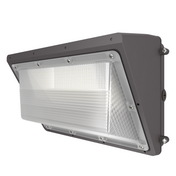

Introduction: A Silent Revolution in Public Lighting
Step outside any growing city in 2026 and look up at the street lights. The change is unmistakable. Gone is the orange‑yellow haze of high‑pressure sodium lamps. In its place, crisp white LED light emanates from fixtures topped with gleaming photovoltaic panels. Solar LED street lights — once dismissed as underpowered and unreliable — have quietly become one of the fastest‑growing segments in outdoor lighting.
The numbers tell a compelling story. The global solar street lighting market was valued at approximately USD 12.23 billion in 2025 and is projected to reach USD 33.26 billion by 2034, representing a compound annual growth rate (CAGR) of 11.76% . Other industry estimates place the market at USD 13.99 billion in 2026, with growth accelerating at an impressive 16.5% year over year .
This explosive growth isn't accidental. In 2026, solar LED street lights are benefiting from a perfect convergence of technological breakthroughs, falling costs, climate mandates, and a growing recognition that traditional grid‑connected lighting is far more expensive than most municipalities realize. This article explores nine key reasons solar LED street lights are gaining unprecedented popularity — backed by data, real‑world case studies, and the technology trends reshaping how we light our roads.
Reason 1: Dramatic Cost Reductions Across All Components
The economic case for solar street lights has fundamentally transformed. Just five years ago, the break‑even point for commercial solar lighting was 5–7 years — a stretch for many budget‑conscious municipalities and property owners. Today, that payback period has dropped to under two years in most applications .
Three intersecting cost trends have driven this shift:
LED chip efficacy has soared. Modern high‑quality LEDs typically achieve 100–200 lumens per watt (lm/W) at the chip level, with system‑level efficacy (including driver and optics) commonly reaching 80–160 lm/W . Premium integrated solar LED street lights now feature LED modules rated at 180–220 lm/W, delivering 4,000–12,000 lumens from a single fixture — well within the technical requirements of large‑scale infrastructure tenders . This means a 60W LED fixture today produces the same light output as a 150W unit from 2020.
Battery chemistry has advanced dramatically. Older solar lights relied on lead‑acid or early lithium‑ion batteries that degraded quickly in temperature extremes and lost capacity after just 300–500 charge cycles. Modern LiFePO₄ (lithium iron phosphate) batteries handle 3,000+ cycles while maintaining 80% capacity, operate reliably from -20°C to 60°C (-4°F to 140°F), and suffer no memory effects . A LiFePO₄‑based system installed today will still deliver 80% of its original runtime in 2034 — a decade of reliable service. By contrast, old lead‑acid systems needed battery replacement every 2–3 years .
Solar panel efficiency has climbed. Monocrystalline panel efficiency has risen from 15‑17% to 21‑23% for quality modules . This not only reduces the physical footprint needed for a given power output but also improves performance in low‑light conditions.
The result? A 100W LED solar street light unit (integrated panel, battery, fixture, and pole) now typically costs $1,500–3,000 — only moderately higher than a traditional grid‑connected installation. But that's just the upfront number. The real story is in the lifecycle costs.
Reason 2: Electricity Prices Keep Rising — Solar Stays at Zero
Between 2020 and 2026, commercial and industrial electricity rates in the United States have increased by approximately 23% . In Europe, energy price volatility following geopolitical events has pushed rates even higher. For municipalities that spend 30–60% of their electricity budget on street lighting, this steady upward creep is crippling.
Solar LED street lights generate their own power. Once installed, grid energy costs become zero. A detailed total cost of ownership (TCO) comparison between grid‑connected LED and solar LED for a typical 100W fixture operating 12 hours per night yields striking results:
| Cost Component | Grid LED (10 years) | Solar LED (10 years) |
|---|---|---|
| Initial capital (luminaire + pole + installation) | $800–2,000 | $1,500–3,000 |
| Energy cost (at $0.12/kWh) | $525–1,100 | $0 |
| Maintenance & replacements | $300–1,000 | $250–600 |
| 10‑year total (illustrative) | $1,625–4,100 | $1,750–3,600 |
The ranges overlap, but for sites with higher electricity rates, longer operating hours, or difficult grid access, solar is often significantly cheaper . A 20‑year TCO model incorporating 3–5% annual tariff escalation shows solar achieving 30–60% lifecycle savings over grid‑connected lighting .
For large‑scale projects, the numbers become even more compelling. A 1,000‑pole solar street lighting project can generate annual net energy cost savings of approximately $36,000 in year one compared to grid‑connected LED, purely from avoided grid energy consumption .
Reason 3: Avoiding the Hidden Cost of Trenching and Grid Connection
Many lighting specifiers focus only on fixture prices, overlooking what is often the largest single expense: connecting to the grid. Running power to a new light pole 200 feet from an existing building can cost 7,000–13,000 before the first fixture is even installed. Hit rock or need to cross a paved area? Add another 40–60% .
For greenfield sites, avoiding 0.5–1.5 km of trenching per kilometer of roadway can reduce capital expenditure by 20–30% . For remote or rural projects where grid extension costs exceed $10,000–25,000 per kilometer, solar becomes the only economically rational choice .
There's also a time dimension. Traditional electrical work means permits, inspections, and utility coordination. A straightforward parking lot lighting project can take 6–8 weeks just to obtain approval to begin. Solar installations in most jurisdictions are treated like signage — simple permits that clear in days, not months . Solar street lights can be installed and commissioned in days per segment, accelerating deployment timelines by 30–50% .
The City of Rowlett, Texas provides a powerful real‑world illustration. When the city sought to illuminate 5.5 miles of critical roadways, the utility quoted $2.8 million for grid‑connected lighting on just one of three roads, leaving the others unlit. By instead deploying 425 off‑grid solar‑powered SmartLights, the city illuminated all three major corridors for nearly half the cost of the original utility quote . The trenchless installation required no excavation or electrical connection, delivered in record time, and eliminated future utility bills entirely .
Reason 4: Extreme Reliability and Grid Independence
One of the most persistent misconceptions about solar street lights is that they cannot be relied upon in cloudy weather or during long winter nights. The reality in 2026 is exactly the opposite: properly sized solar systems now achieve ≥99% lighting availability — matching or exceeding the reliability of many grid‑connected systems .
How is this possible? Modern systems are engineered with:
-
3–5 days of battery autonomy, providing continuous operation through consecutive cloudy days or winter periods with reduced solar input.
-
Advanced energy management controllers that use adaptive algorithms responding to real‑time conditions — changing weather, daylight variation, and human activity — to ensure consistent illumination .
-
LiFePO₄ batteries that maintain stable voltage in temperature extremes where older chemistries failed.
Meanwhile, grid‑connected lighting remains vulnerable to outages that can exceed 50 hours per year in many regions. For businesses that operate 24/7 or require security lighting, this vulnerability is unacceptable. Solar systems keep working regardless of what is happening with the local utility .
In Kalyan, India, the municipal corporation installed the city's first solar high‑mast light specifically to address this issue. The system provides uninterrupted street lighting even during power cuts or technical faults — which often leave parts of the city in darkness with conventional lighting. The solar high‑mast delivers brighter illumination and can operate continuously for up to two days on a single charge, even without sunlight .
Reason 5: Smart Controls and Motion Sensing Unlock Major Energy Savings
The shift from "dumb" solar lights to intelligent, connected systems represents one of the most significant advances of the last few years. Basic photocell sensors simply turn lights on at dusk and off at dawn, providing full illumination regardless of whether anyone is present. While functional, this approach wastes precious battery capacity and shortens system lifespan.
Modern solar street lights integrate microcontrollers, dimming drivers, motion sensors, wireless radios (LoRaWAN, NB‑IoT, Zigbee), and cloud management platforms. These capabilities enable:
-
Occupancy‑based adaptive lighting: Lights operate at reduced output (20–30%) during low‑traffic periods and return to 100% brightness when motion, ambient light, or presence sensors detect activity .
-
Scheduled dimming profiles: High output during peak usage hours, reduced illumination late at night when traffic is minimal. For solar‑powered deployments, dimming profiles directly translate to extended battery autonomy and reduced battery cycling .
-
Remote monitoring and fault detection: Real‑time tracking of voltage, current, lamp status, and energy consumption from a centralized platform. Maintenance teams are dispatched with precise location data — no more manual nighttime patrols .
-
Predictive maintenance: Systems alert operators to potential failures before they occur, reducing mean‑time‑to‑repair and eliminating costly "truck rolls" .
In many municipal programs, smart controls pay for themselves within a few years through reduced battery replacements and energy savings when scaled across hundreds or thousands of luminaires . Meanwhile, the integration of motion sensors with CCTV cameras — powered directly from the same solar and battery system — transforms street lights into security assets, offering enhanced safety and energy efficiency on the same infrastructure .
Reason 6: Climate Mandates and Sustainability Goals
Policy is becoming one of the strongest drivers for solar street lighting adoption. What began as an attractive option for reducing operational costs is now reinforced by climate policy, infrastructure standards, and public safety frameworks .
Cities working toward Net Zero and carbon‑neutral targets are turning to solar lighting as a measurable, low‑carbon option for essential infrastructure . Solar street lights produce approximately 0 kg CO₂ from operation, while a conventional 100W grid‑connected LED fixture — drawing from a typical grid with average carbon intensity — emits roughly 220 kg CO₂ annually. For a 1,000‑pole project, that is over 200 metric tons of CO₂ saved every year.
Federal, state, and international funding increasingly prioritizes renewable, resilient infrastructure. Solar lighting aligns naturally with funding criteria emphasizing emissions reduction, climate adaptation, and long‑term operational savings . The UN Sports for Climate Action Framework, EU Eco‑design regulations, and similar mandates across North America and Asia are accelerating the shift away from carbon‑intensive grid‑powered lighting toward decentralized renewable alternatives.
The "Light Up Abuja" project in Nigeria's capital exemplifies how solar street lighting is being deployed at scale to meet both security and sustainability objectives. Two Chinese construction firms broke ground on a comprehensive installation of advanced hybrid solar streetlights across major districts and expressways, with completion timed for the city's 50th anniversary in 2026. Beyond illumination, the system integrates surveillance modules connected to a centralized control room, enabling real‑time monitoring and rapid response to security threats. The project also includes a 4–5 year maintenance contract, ensuring sustained performance .
Reason 7: Extreme Durability in Harsh Environments
Solar LED street lights are built to withstand conditions that would quickly destroy conventional fixtures. For applications requiring maximum durability, manufacturers offer:
-
Ingress Protection (IP65/IP66/IP67): Protection against dust, rain, and even temporary submersion. Integrated solar units come with IP65 protection as standard .
-
Wide operating temperature ranges: High‑quality systems operate reliably from ‑20°C to 60°C (–4°F to 140°F) or wider, ensuring consistent performance in both Scandinavian winters and Arabian summers .
-
Marine‑grade corrosion resistance (ISO 12944 C5‑M): Essential for coastal installations, seaports, and industrial zones with corrosive atmospheres.
-
Surge protection (10kV–20kV): Critical for lightning‑prone regions.
In Hardee County, Florida, the installation of solar streetlights transformed a high‑risk rural intersection. The upgraded lighting increased nighttime illuminance to 0.5–0.6 footcandles, providing consistent visibility at a previously hazardous stop‑controlled crossing . The solar solution required no trenching across farmland or ecologically sensitive areas, delivered rapid installation, and eliminated ongoing electricity costs.
In the extreme desert climate of Saudi Arabia, where summer temperatures regularly exceed 45°C (113°F) and peak above 60°C (140°F), hundreds of solar LED street lights have been installed across arterial roads and warehouse zones. These systems are designed to operate across a ‑20°C to 60°C temperature range, ensuring safe 24/7 operation in one of the world's most challenging environments without grid dependency.
Reason 8: Rapid Payback and Strong ROI
For project owners, the bottom line drives decisions. The return on investment for solar LED street lighting in 2026 is compelling across a wide range of applications.
Payback periods vary by scenario:
| Scenario | Typical Payback Period |
|---|---|
| Commercial parking lots (high‑tariff areas) | Under 2 years |
| Municipal projects (average tariffs) | 3–7 years |
| High‑tariff remote applications ($0.20+/kWh) | 5–9 years |
| Greenfield sites with trenching savings | 4–7 years |
Payback typically ranges from 3 to 15 years depending on local electricity prices, project scale, incentives, and technology choices. Off‑grid and high‑tariff urban applications are at the faster end; low‑tariff urban retrofits can be longer unless subsidized . Availability of incentives and grants can shorten payback further .
Crucially, the net present value (NPV) and internal rate of return (IRR) for solar street lighting projects now target 8–15% project IRR for both municipal and private developers — returns that exceed many traditional infrastructure investments . For private property owners, a distribution center that previously paid 1,200 annually in maintenance saw those costs disappear entirely after switching to solar .
The Jharkhand Renewable Energy Development Agency (JREDA) in India awarded a contract to install 40W LED solar street lights featuring LiFePO₄ batteries and an integrated Remote Monitoring System (RMS). The project includes a five‑year Comprehensive Maintenance Contract, ensuring sustained performance and operational reliability while delivering long‑term cost savings and promoting energy access in remote regions .
Reason 9: All‑in‑One Integration and Instant Scalability
Perhaps the most underappreciated driver of solar LED street light popularity is simply how easy they have become to specify, purchase, and install. The rise of the all‑in‑one solar street light — integrating the photovoltaic panel, LiFePO₄ battery, LED luminaire, and smart controller into a single compact housing — has eliminated the complexity that once deterred buyers.
Benefits of the all‑in‑one format include:
-
No wiring between components: The panel, battery, and light come pre‑integrated. Installation requires only mounting the unit to a pole — no electrical connections to make.
-
Drastically reduced shipping volume: Integrated units pack more efficiently than separate components.
-
Single‑vendor accountability: No finger‑pointing between panel supplier, battery supplier, and fixture manufacturer. One warranty covers the entire system.
For the City of Machiasport, Maine, this integration was critical. Facing rising electricity costs, the town considered solar streetlights as a way to offset expenses. With a full LED conversion, officials estimated an 80% decrease in annual streetlight costs . In Rowlett, Texas, the 425 solar SmartLights were installed without trenching across 5.5 miles of state highway and city roads — an achievement simply impossible with traditional grid‑connected systems requiring extensive underground infrastructure .
Emerging Trends: The Future of Solar Street Lighting
As we look beyond 2026, the next chapter of solar street lighting will be defined by deeper integration of energy management, digital intelligence, and resilient design .
Dual‑Purpose Infrastructure
Smart solar streetlights with 5G hosting can cut lighting energy use by 80–100% , reduce trenching costs by 40–60% , and add $150–300 per year per pole in 5G lease revenue, delivering 30–45% lower 20‑year TCO versus traditional grid‑tied parking lot lighting combined with standalone 5G deployments .
IoT‑Connected Lighting Networks
The integration of solar street lights with IoT connectivity and cloud‑based monitoring solutions is expanding rapidly . Networked solar street lights become data sources for traffic monitoring, crowd management, and environmental sensing — feeding analytics platforms for long‑term planning and immediate operational alerts .
Dark‑Sky Compliance and Light Pollution Reduction
As dark‑sky ordinances proliferate, new solar LED street lights come with full cutoff optics (zero uplight) and low‑BUG distributions, keeping light on the roadway and away from the night sky — increasingly required by residential‑adjacent installations.
Circular Design and End‑of‑Life Planning
Municipalities are requesting systems that use recyclable materials, modular components, and transparent documentation for reuse or recovery. Circular design principles are becoming embedded in lighting procurement standards .
Summary: The Nine Reasons at a Glance
| Reason | Key Driver |
|---|---|
| 1. Dramatic cost reductions | LED efficacy (+180 lm/W), LiFePO₄ batteries (3,000+ cycles), panel efficiency (21‑23%) |
| 2. Rising electricity prices | 23% increase since 2020; solar energy costs = $0 |
| 3. Avoiding trenching/grid costs | $35‑65 per linear foot saved; 30‑50% faster deployment |
| 4. Extreme reliability | ≥99% availability; 3‑5 days autonomy; no grid outage vulnerability |
| 5. Smart controls & motion sensing | 30‑50% additional energy savings; remote monitoring; predictive maintenance |
| 6. Climate mandates & sustainability | 0 kg CO₂ operation; aligns with Net Zero targets; funding incentives |
| 7. Extreme durability | IP66/IP67; ‑20°C to 60°C operation; marine‑grade corrosion protection |
| 8. Rapid payback & ROI | 2‑7 years typical; 8‑15% IRR; 30‑60% lifecycle savings |
| 9. All‑in‑one integration | No wiring; single warranty; days to commission, not months |
Conclusion: The Tipping Point Has Arrived
The growth in popularity of solar LED street lights is not a trend — it is a fundamental shift in how we think about public and commercial lighting infrastructure. In 2026, the technology has matured, the economics have flipped decisively in favor of solar, and the policy environment has never been more supportive.
No longer a niche product for remote off‑grid locations, solar LED street lights are now the preferred solution for major highways, urban corridors, industrial parks, and municipal infrastructure projects around the world. From the 425 lights lighting Texas highways to the comprehensive Abuja modernization project, the evidence is clear: solar LED street lights are reliable, cost‑effective, sustainable, and increasingly indispensable.
For city planners, facility managers, and property owners evaluating their next lighting investment, the question is no longer whether solar LED street lights are viable. The question is how quickly you can make the switch — and start saving money, reducing emissions, and lighting roads that stay bright regardless of what happens to the grid.