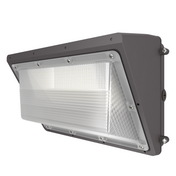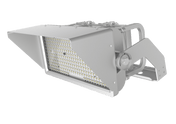

Why hylele LED Street Lights Outperform HPS Lamps
For decades, high-pressure sodium (HPS) lamps have been the go-to choice for urban street lighting. Their ability to produce bright light at a relatively low initial cost made them a staple in cities worldwide. However, as technology advances and cities prioritize efficiency, sustainability, and safety, HPS lamps are quickly being overshadowed by a superior alternative: Hylele LED street lights. The gap between LED and HPS performance is undeniable—and cities that make the switch are reaping significant benefits. In this blog, we’ll break down exactly why Hylele LED street lights outperform traditional HPS lamps in every critical category.
1. Energy Efficiency: A Night-and-Day Difference
Energy consumption is where HPS lamps fall shortest—and where Hylele LEDs shine brightest. HPS lamps operate by heating sodium vapor to produce light, a process that wastes a massive amount of energy as heat. In fact, only 20-30% of the energy consumed by an HPS lamp is converted into usable light; the rest is lost as heat. This inefficiency drives up cities’ utility bills and strains power grids.
Hylele LED street lights, by contrast, use semiconductor technology to convert up to 95% of energy into light. This translates to staggering energy savings: cities switching from HPS to Hylele LEDs reduce their street lighting energy costs by 60-75%. For example, a city with 20,000 HPS street lights (each consuming 150W) would spend approximately $4.3 million annually on energy. Switching to 50W Hylele LEDs would cut that cost to just $1.4 million—a savings of nearly $3 million per year. These savings can be reinvested in other urban priorities, from infrastructure repairs to public safety programs.
2. Lifespan & Maintenance: Durability That Saves Time and Money
HPS lamps have a relatively short lifespan, typically lasting only 10,000-24,000 hours (about 1-2.5 years of continuous use). This means frequent replacements, which come with hidden costs: labor for maintenance crews, equipment expenses, and temporary road closures that disrupt traffic and inconvenience residents. Over a decade, a single HPS lamp may need to be replaced 4-10 times.
Hylele LED street lights are built to last. With an average lifespan of 100,000 hours or more (over 11 years of continuous use), they outlast HPS lamps by 4-10 times. Constructed with corrosion-resistant aluminum housings and IP67 waterproof ratings, Hylele LEDs withstand extreme weather—from freezing winters to heavy rainstorms—without deteriorating. This durability drastically reduces maintenance costs by up to 80%. Cities no longer have to budget for constant lamp replacements, freeing up resources for long-term urban improvement.
3. Light Quality & Visibility: Safer Streets for Everyone
While HPS lamps produce bright light, their light quality is poor for urban safety. They emit a warm, yellowish glow (typically 2200K-2700K color temperature) that washes out colors, reduces contrast, and creates harsh shadows. This makes it difficult for pedestrians to spot obstacles, drivers to recognize traffic signals or crosswalks, and law enforcement to monitor public spaces.
Hylele LED street lights produce a bright, white light (5000K-6500K color temperature) that mimics natural daylight. This color temperature enhances contrast and color recognition, making it easier to distinguish between objects, people, and hazards. Additionally, Hylele’s uniform light distribution technology ensures light is spread evenly across roads and sidewalks, eliminating dark corners where accidents or crime could occur. Studies show that cities using Hylele LEDs experience a 15-25% reduction in night-time traffic accidents compared to those using HPS lamps—proof that better light quality directly translates to safer streets.
4. Environmental Impact: Greener Lighting for Sustainable Cities
HPS lamps are harmful to the environment in multiple ways. First, their high energy consumption increases greenhouse gas emissions, contributing to climate change. Second, HPS lamps contain mercury—a toxic heavy metal that poses risks to human health and ecosystems if not disposed of properly. Improper disposal of HPS lamps can lead to mercury leaching into soil and water, contaminating food sources and wildlife.
Hylele LED street lights are a sustainable alternative. Their low energy use reduces carbon footprints, helping cities meet climate goals. They are also mercury-free, making them safe to dispose of and recyclable. By switching to Hylele LEDs, cities not only reduce their environmental impact but also align with global green initiatives and regulations, enhancing their reputation as eco-friendly communities.
5. Instant On/Off & Dimming Capabilities: Flexibility HPS Lacks
HPS lamps have a major drawback: they require time to warm up to full brightness (often 5-10 minutes) and cannot be dimmed without compromising performance. This lack of flexibility is a problem for cities looking to save energy during low-traffic hours or respond quickly to emergencies.
Hylele LED street lights turn on instantly at full brightness and are fully dimmable. This allows cities to implement smart lighting strategies: dimming lights to 30-50% during late-night hours to save energy, then brightening them instantly if motion is detected or during emergencies. Many Hylele LEDs also integrate with IoT platforms, enabling remote control and monitoring—something HPS lamps simply cannot match.
Conclusion: Hylele LEDs—The Clear Upgrade Over HPS Lamps
When comparing Hylele LED street lights to traditional HPS lamps, the choice is clear. LEDs outperform HPS in every key area: energy efficiency, lifespan, light quality, environmental impact, and flexibility. For cities still using HPS lamps, the switch to Hylele LEDs isn’t just an upgrade—it’s a necessary step toward safer, more efficient, and sustainable urban lighting.
Hylele’s commitment to innovation ensures that their LED street lights continue to set the standard for performance and reliability. By choosing Hylele, cities aren’t just replacing lamps—they’re investing in a brighter, greener, and safer future for their residents. Say goodbye to inefficient, high-maintenance HPS lamps and hello to the future of street lighting with Hylele LEDs.