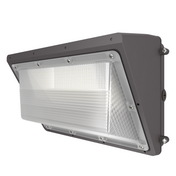

Introduction: The Unsung Hero of Smart City Transformation
Smart cities are redefining urban living through connectivity, sustainability, and efficiency—and LED area lights are emerging as their silent backbone. Unlike traditional lighting that merely illuminates spaces, modern LED area lights integrate IoT (Internet of Things) technology, renewable energy compatibility, and data-driven controls to become multi-functional urban hubs. From powering 5G networks to monitoring air quality, these lights do far more than brighten streets—they enable cities to operate smarter, greener, and more safely.
According to a 2025 report by the International Smart Lighting Association, cities adopting LED area light systems reduce carbon emissions by 30-40% and cut municipal lighting costs by up to 50%. As global urbanization accelerates (with 68% of the world’s population projected to live in cities by 2050), LED area lights are no longer an optional upgrade—they’re a foundational requirement for building resilient, future-ready cities. This guide explores the five core reasons why LED area lights are the future of smart cities, backed by cutting-edge policy standards, real-world case studies, and actionable insights.
1. Energy Efficiency & Sustainability: The Green Foundation of Smart Cities
Smart cities prioritize carbon neutrality, and LED area lights deliver unmatched environmental benefits that align with this goal.
Beyond Basic Energy Savings
LED area lights use 40-60% less energy than traditional high-pressure sodium (HPS) lamps and have a lifespan of 50,000+ hours—5-7 times longer. For cities, this translates to massive reductions in both energy consumption and maintenance. For example:
- Qianjiang City, China: Completed a "zero-cost" LED area light upgrade of 6,473 fixtures using a "government-enterprise cooperation + electricity fee sharing" model. The project achieves annual energy savings of 2.36 million kWh and reduces carbon emissions by 124,000 tons—equivalent to the annual carbon sequestration of 6.89 million trees.
- Zhangjiagang City, China: Replaced 24,000 HPS lamps with LED area lights, cutting annual carbon emissions by 12,000 tons and achieving a 35%+ energy savings rate.
Renewable Energy Synergy
LED area lights seamlessly integrate with solar and wind power, enabling off-grid or hybrid lighting solutions. Their low power consumption (typically 50-200W) makes them ideal for solar-powered systems, eliminating reliance on fossil fuels. Cities like Yichang, China, have deployed 30,000+ solar-integrated LED area lights that adjust brightness based on real-time sunlight, further reducing energy waste.
Compliance with Green Standards
New policy frameworks are driving LED adoption. Jiangsu Province’s 2026-implemented 《Technical Standard for Construction of Intelligent Urban Lighting Systems》(DB32/T5171-2025)—China’s first local standard for smart urban lighting—mandates LED area lights for all new urban developments, emphasizing energy efficiency and carbon reduction. This trend is global: the EU’s "Green Deal" requires cities to use LED lighting for 100% of public spaces by 2030.
2. IoT Integration: From Lighting to Smart City Hubs
The true power of LED area lights lies in their ability to serve as IoT-enabled urban sensors. By integrating cameras, sensors, and communication modules, they transform into "city nerve endings" that collect and transmit critical data.
The "Smart Multi-Functional Pole" Revolution
LED area lights are the core of "smart multi-functional poles"—integrating 5G base stations, video surveillance, public address systems, weather sensors, and emergency call buttons into a single, space-saving structure. Key benefits:
- Space Efficiency: Eliminates redundant poles (e.g., separate street light, surveillance, and telecom poles), reducing urban clutter and construction costs.
- Data Collection: Sensors monitor air quality, traffic flow, noise levels, and even waterlogging—providing cities with real-time urban management data.
- Connectivity: Acts as 5G microbase stations, extending network coverage to urban corners where traditional infrastructure is impractical.
Zhangjiagang City has built nearly 2,000 smart multi-functional poles, turning LED area lights into centralized urban management hubs. These poles support everything from traffic flow analysis to emergency response, demonstrating how lighting can anchor smart city connectivity.
AI-Powered Smart Controls
LED area lights paired with AI algorithms enable "on-demand lighting"—adjusting brightness based on real-time conditions:
- Yichang City, China: 30,000+ LED area lights are connected to the "China Mobile Kunling Light Chain" smart platform. The system uses AI to analyze pedestrian and vehicle flow data (collected via connected sensors) and automatically adjusts brightness: 70% brightness during low traffic, 100% during peak hours (e.g., school pick-up/drop-off times).
- Energy Optimization: Qianjiang City’s LED area lights use motion sensors and weather data to dim lights during rainless nights or brighten them during fog—reducing energy use by 50% while maintaining safety.
3. Cost Savings & Financial Viability: Making Smart Cities Affordable
One of the biggest barriers to smart city adoption is cost—but LED area lights solve this through innovative financing models and long-term savings.
Innovative "Zero-Cost" Financing
Cities no longer need to bear the full upfront cost of LED upgrades. The "energy trusteeship" model (pioneered in Qianjiang and Zhangjiagang) allows enterprises to fund 100% of LED area light purchases, installation, and maintenance (up to 9 years). Governments repay the investment using the electricity savings generated by the new system—eliminating financial burdens while delivering immediate benefits.
Reduced Operational Costs
Beyond energy savings, LED area lights cut operational expenses in two key ways:
- Maintenance Efficiency: With a 50,000-hour lifespan, LED area lights require replacements only once every 10-15 years (vs. 2-3 years for HPS lamps). Smart monitoring platforms (like Qianjiang’s IoT management system) reduce fault response time from 12 hours to 2 hours, improving maintenance efficiency by 80%.
- Labor Savings: Remote control capabilities eliminate the need for manual patrols. Zhangjiagang’s smart lighting platform allows operators to monitor and adjust 24,000+ LED area lights from a single dashboard, reducing labor costs by 20%.
Long-Term ROI
The financial returns of LED area light investments are substantial. For a mid-sized city with 10,000 public lights, the typical ROI is 2-3 years—with decades of ongoing savings. Qianjiang City’s project, for example, frees up municipal funds previously spent on lighting to address other public needs, such as repairing "broken street lights" and installing lights in unlit areas.
4. Enhanced Safety & Livability: Putting People at the Center
Smart cities prioritize residents’ well-being, and LED area lights deliver tangible improvements in safety, comfort, and quality of life.
Improved Nighttime Visibility & Security
LED area lights provide uniform, high-contrast illumination (CRI ≥ 70) that reduces glare and eliminates dark spots—critical for preventing accidents and deterring crime. Key outcomes:
- Qianjiang City: After LED upgrades, road lighting uniformity increased by 30%, and residents reported a significant boost in nighttime travel safety.
- Yichang City: AI-powered LED area lights brighten automatically in high-traffic areas (e.g., school zones after evening classes) and dim during low-activity periods, balancing safety and energy efficiency.
Emergency Response & Public Safety
Integrated sensors in LED area lights enable rapid emergency response:
- Leakage Detection: Jiangsu Province’s new smart lighting standard mandates that LED area lights include cable and pole leakage monitoring—preventing electric shock hazards and ensuring public safety.
- Real-Time Alerts: In the event of accidents or emergencies, passersby can use emergency call buttons on smart multi-functional poles to connect directly to city emergency services. Cameras integrated into the lights provide first responders with real-time scene visibility.
Livable Nightscapes
LED area lights offer customizable color temperatures (3000K-5000K) that enhance urban aesthetics without causing light pollution. Zhangjiagang City uses "holiday mode" for its LED area lights, adjusting brightness and color to create festive nightscapes while maintaining energy efficiency. The city’s pocket park lighting projects, powered by LED area lights, have won national awards for creating inviting, safe nighttime recreational spaces.
5. Policy & Standardization: Driving Widespread Adoption
The future of LED area lights in smart cities is further solidified by supportive policies and industry standards that ensure interoperability and quality.
China’s Leading Standards
Jiangsu Province’s 2026-implemented 《Technical Standard for Construction of Intelligent Urban Lighting Systems》(DB32/T5171-2025) is a game-changer. As China’s first local standard for smart urban lighting, it:
- Mandates IoT integration in LED area lights, requiring unified planning of centralized control, single-lamp control, and smart multi-functional poles to avoid redundant construction.
- Specifies communication protocols (4G for centralized control, 4G Cat.1 for single-lamp control, fiber for multi-functional poles) to ensure system compatibility.
- Introduces key performance indicators (e.g., system inspection online rate) and energy consumption statistical requirements to drive continuous improvement.
This standard sets a precedent for other regions, creating a framework that accelerates LED area light adoption while ensuring quality and efficiency.
Global Policy Trends
Internationally, governments are doubling down on LED area lights as part of smart city initiatives:
- EU: The "Smart Cities and Communities" program provides funding for LED area light projects that integrate IoT and renewable energy.
- U.S.: Cities like Los Angeles and New York have mandated LED area lights for all public spaces, with targets to reduce municipal lighting costs by 50% by 2030.
- Asia-Pacific: Seoul, Singapore, and Tokyo are deploying LED area light networks with 5G and AI capabilities to support autonomous vehicles and smart traffic management.
Real-World Case Study: Zhangjiagang’s Smart Lighting Ecosystem
Zhangjiagang City, China, exemplifies how LED area lights form the core of a comprehensive smart city system. The city’s approach includes:
Key Components
- 24,000+ LED Area Lights: Replaced traditional HPS lamps with energy-efficient LEDs, integrated with single-lamp controllers for precise dimming and monitoring.
- 2,000 Smart Multi-Functional Poles: Deployed along major roads, integrating lighting, 5G, surveillance, public address systems, and environmental sensors.
- Unified IoT Platform: Centralizes data from all LED area lights, enabling real-time monitoring, remote maintenance, and data-driven decision-making.
Outcomes
- Energy Savings: 35%+ reduction in annual lighting energy use.
- Operational Efficiency: 20% lower maintenance costs and 80% faster fault response.
- Safety & Livability: 99%+ road lighting availability, improved nighttime safety, and award-winning public space illumination.
- Sustainability: 12,000 tons of annual carbon emission reductions.
Zhangjiagang’s success proves that LED area lights are more than just lighting—they’re a catalyst for holistic urban transformation.
How to Implement LED Area Lights in Smart City Projects
For cities looking to adopt LED area lights, follow these key steps:
1. Align with Policy & Standards
- Adhere to local smart lighting standards (e.g., Jiangsu’s DB32/T5171-2025) to ensure interoperability and compliance.
- Leverage government funding or public-private partnership (PPP) models (like Qianjiang’s "energy trusteeship") to reduce upfront costs.
2. Prioritize IoT Integration
- Select LED area lights with built-in IoT connectivity and compatibility with smart city platforms.
- Invest in smart multi-functional poles to maximize functionality and reduce infrastructure clutter.
3. Focus on Scalability
- Choose modular LED area light systems that can be upgraded with new sensors (e.g., air quality monitors, traffic cameras) as smart city needs evolve.
- Ensure the lighting platform integrates with other urban systems (traffic management, emergency services, environmental monitoring).
4. Engage Stakeholders
- Involve residents in the planning process (e.g., surveys on lighting preferences for residential areas).
- Train municipal staff to operate and maintain the smart lighting system effectively.
The Future: LED Area Lights as the Core of Smart City 2.0
As technology advances, LED area lights will become even more integral to smart city evolution:
AI & Machine Learning Advancements
Future LED area lights will use AI to:
- Predict maintenance needs before failures occur.
- Adjust lighting based on weather forecasts (e.g., brightening during fog or heavy rain).
- Analyze traffic patterns to optimize signal timing and reduce congestion.
Renewable Energy & Energy Storage
Integration with solar panels and battery storage will make LED area lights fully off-grid, enabling cities to extend lighting to remote areas without grid access. This is particularly impactful for rural-urban fringes and developing regions.
Autonomous Vehicle Integration
LED area lights will sync with autonomous vehicles (AVs) to provide targeted illumination and transmit real-time road data (e.g., pothole locations, pedestrian presence), enhancing AV safety and reliability.
Conclusion: LED Area Lights—The Foundation of Smart Cities
LED area lights are no longer just about illumination—they’re the connective tissue that powers smart city transformation. Their unique combination of energy efficiency, IoT integration, cost savings, safety enhancements, and policy support makes them irreplaceable in building sustainable, livable, and efficient urban environments.
From Qianjiang’s zero-cost upgrade to Zhangjiagang’s multi-functional pole network, the evidence is clear: LED area lights deliver tangible, measurable benefits that align with every smart city goal. As policies like Jiangsu’s new standard drive standardization and adoption, these lights will become the default choice for cities worldwide.
For urban planners, municipal leaders, and technology providers, the message is simple: investing in LED area lights is investing in the future of cities. They are the unsung heroes that turn smart city visions into reality—one connected, efficient, and sustainable light at a time. The future of smart cities is bright, and LED area lights are leading the way.