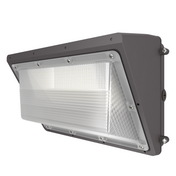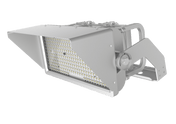

LED area lighting is a cornerstone of outdoor illumination—powering parking lots, industrial yards, campuses, and residential spaces with efficient, long-lasting brightness. But even the highest-quality LED area light will underperform if paired with the wrong beam angle. The beam angle dictates how light spreads across your space: too narrow, and you’ll get dark spots; too wide, and you’ll waste energy on glare or light trespass. In this guide, we’ll break down how to choose the right beam angle for LED area lighting, aligning with your space’s unique needs and ensuring optimal coverage, safety, and efficiency.
What Is a Beam Angle in LED Area Lighting?
First, let’s clarify the basics: A beam angle (measured in degrees) refers to the width of the light beam emitted by an LED area fixture. It’s defined as the angle between the two points where the light intensity drops to 50% of its peak brightness (known as the “half-maximum intensity” points).
Key terms to distinguish:
- Beam Angle: The central, brightest portion of the light (what we’ll focus on for selection).
- Field Angle: The total area illuminated (including the dimmer outer edges)—less critical for area lighting, where uniformity is key.
- Common Beam Angle Ranges: Narrow (15°–30°), Medium (45°–60°), Wide (90°–120°), and Extra-Wide (120°+).
For LED area lighting (which prioritizes uniform coverage), beam angles typically range from 45° to 120°—narrower angles are reserved for targeted supplementary lighting, while wider angles suit large, open spaces.
Why Beam Angle Matters for LED Area Lighting
The beam angle you choose directly impacts three critical outcomes for your outdoor space:
- Coverage Uniformity: A well-matched beam angle ensures no dark corners or overlit “hot spots”—critical for safety in parking lots, walkways, or industrial yards.
- Glare Reduction: The wrong beam angle (e.g., a narrow beam pointed at eye level) can cause dangerous glare for pedestrians or drivers, while a properly sized angle diffuses light evenly.
- Energy Efficiency: Beam angles that align with your space size avoid wasted light (e.g., a wide 120° beam in a small area wastes energy on light trespass, while a narrow 30° beam in a large lot leaves most areas dark).
Step-by-Step Guide to Choosing the Right Beam Angle
Follow these four steps to select the perfect beam angle for your LED area lighting:
Step 1: Assess Your Space Size & Shape
The size and layout of your area are the biggest determinants of beam angle. Focus on the horizontal coverage area (length × width) and whether the space is open or irregularly shaped:
- Small Spaces (500–1,000 sq. ft.): e.g., small parking lots (10–15 cars), restaurant patios, or residential backyards. Opt for a medium beam angle (45°–60°). This balances coverage and intensity, avoiding glare while eliminating dark spots.
- Medium Spaces (1,000–5,000 sq. ft.): e.g., mid-sized commercial parking lots, school campuses, or warehouse yards. Use a wide beam angle (90°–100°). Pair with multiple fixtures spaced evenly to ensure uniform illumination across the entire area.
- Large Spaces (5,000+ sq. ft.): e.g., industrial complexes, sports courts, or sprawling retail parking lots. Combine wide (100°–120°) and medium (60°) beam angles. Wide angles cover broad swaths, while medium angles fill in gaps—creating consistent brightness without hot spots.
- Irregular Spaces (L-shaped, narrow alleys): Use a mix of beam angles. For narrow corridors, opt for medium (60°) angles to avoid light spillage; for open sections, use wide (90°) angles for coverage.
Step 2: Factor in Mounting Height
Beam angle and mounting height work in tandem—higher mounts require wider angles to cover the ground effectively. Use this general rule: The higher the fixture, the wider the beam angle needed.
Refer to this quick reference table for mounting height vs. recommended beam angle:
Pro Tip: Calculate coverage width using this formula for precision:
Coverage Width (ft) = Mounting Height (ft) × 2 × tan(Beam Angle/2)
Example: A 20-foot mount with a 90° beam angle = 20 × 2 × tan(45°) = 40 feet of coverage width.
Step 3: Define Your Lighting Goal
What do you want your LED area lights to achieve? Your goal will refine your beam angle choice:
- Safety & Security: Prioritize wide angles (90°–120°) to eliminate blind spots. Avoid narrow beams that create uneven lighting—critical for parking lots or industrial yards where hazards (e.g., potholes, obstacles) need visibility.
- Uniform General Illumination: For spaces like campuses or retail parking lots, medium-to-wide angles (60°–90°) ensure consistent brightness across the entire area, making it easy for pedestrians and drivers to navigate.
- Task-Specific Lighting: For areas requiring focused illumination (e.g., loading docks, ATM stations, or sports court boundaries), use medium angles (45°–60°) to balance coverage and intensity without glare.
- Light Trespass Reduction: If your space is near residential areas or public roads, opt for wider angles (100°–120°) with downward-facing shields. These spread light evenly over your area and minimize spillage into neighboring properties.
Step 4: Consider Fixture Placement & Spacing
Even the right beam angle will fail if fixtures are poorly spaced. Follow these guidelines:
- Spacing = 1.5 × Coverage Width: For uniform coverage, space fixtures 1.5 times the width of their coverage area. For example, a fixture with a 40-foot coverage width should be spaced 60 feet apart.
- Overlap for Consistency: Aim for 10–20% overlap between fixture beams. This eliminates dark gaps between lights—especially important for large spaces like industrial yards.
- Avoid Overcrowding: Too many fixtures with narrow angles (e.g., 45°) in a small space will create glare and wasted energy. Opt for fewer fixtures with wider angles instead.
Common Beam Angle Mistakes to Avoid
- Choosing Too Narrow a Beam for Large Spaces: A 30° beam in a 5,000 sq. ft. parking lot will only illuminate small patches, leaving most areas dark and unsafe.
- Overlooking Mounting Height: Installing a 60° beam at 30 feet will create a tiny hot spot on the ground, while a 120° beam at 10 feet will cause excessive glare.
- Using the Same Angle for Irregular Spaces: L-shaped or narrow areas need a mix of angles—don’t force a wide 120° beam into a narrow alley (it will waste light on adjacent properties).
- Prioritizing Brightness Over Beam Angle: A high-lumen LED area light with the wrong beam angle is less effective than a lower-lumen fixture with a well-matched angle. For example, a 100W LED with a 90° beam is better for a 1,000 sq. ft. lot than a 200W LED with a 45° beam.
Additional Tips for LED Area Lighting Beam Angles
- Opt for Adjustable Beam Angles: Some LED area lights offer 3-in-1 adjustable angles (e.g., 30°, 60°, 90°). These are ideal for spaces with changing needs (e.g., temporary construction sites or event venues).
- Check for Glare-Reducing Features: Look for fixtures with diffusers or shielded lenses—even wide beam angles can cause glare if unfiltered. These features soften light and improve eye comfort.
- Match Beam Angle to Lumens: Higher lumens pair well with wider angles (e.g., 20,000 lumens + 120° beam = uniform coverage for large spaces). Lower lumens (e.g., 5,000 lumens) work best with medium angles (60°) to avoid dimness.
- Consult Local Codes: Some cities restrict beam angles to reduce light trespass. For example, residential areas may limit upward light emission, requiring wide angles with downward shields.
Final Thoughts
Choosing the right beam angle for LED area lighting is all about balancing coverage, intensity, and safety. By assessing your space size, mounting height, and lighting goals, you can select an angle that maximizes efficiency, minimizes glare, and meets your specific needs—whether it’s a small backyard or a sprawling industrial complex.
Remember: The best beam angle isn’t a one-size-fits-all solution. It’s the one that ensures your outdoor space is uniformly lit, safe for users, and compliant with local regulations. Use this guide as a starting point, and don’t hesitate to test fixtures or consult a lighting professional for large-scale projects. With the right beam angle, your LED area lights will deliver reliable, efficient illumination for years to come.