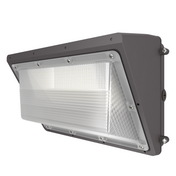

When it comes to LED wall pack lighting—whether for commercial parking lots, warehouse exteriors, retail storefronts, or residential entryways—beam angle is a critical factor that directly impacts performance. Choose the wrong beam angle, and you’ll end up with uneven lighting, annoying glare, wasted energy, or dark spots that compromise safety. But with the right guidance, selecting the ideal beam angle for your LED wall packs becomes straightforward. In this expert guide, we’ll break down what beam angles mean, how they affect your space, and the step-by-step process to choose the perfect one for your needs.
What Is a Beam Angle in LED Wall Pack Lighting?
First, let’s clarify the basics: A beam angle (measured in degrees) refers to the width of the light beam emitted by an LED wall pack. It determines how widely or narrowly the light spreads across a surface.
Key terms to understand:
- Narrow Beam Angle: Typically 15°–30°. Focuses light into a concentrated, long-reaching beam (like a spotlight).
- Medium Beam Angle: 45°–60°. Balances coverage and intensity, ideal for most general outdoor lighting needs.
- Wide Beam Angle: 90°–120°+. Spreads light over a large area, creating broad, diffused illumination (like a floodlight).
Note: Beam angle is different from “field angle,” which refers to the total area illuminated (including the dimmer outer edges). For LED wall packs, we focus on beam angle (the central, brightest portion of the light).
Why Does Beam Angle Matter for LED Wall Packs?
The beam angle you choose impacts three critical outcomes:
- Light Coverage: How much of your space is illuminated (wide angles = more area; narrow angles = less area but farther reach).
- Light Intensity: Narrower beams are brighter at a distance, while wider beams spread light more evenly but with lower intensity per square foot.
- Glare & Safety: The wrong beam angle (e.g., a narrow beam pointed at eye level) can cause dangerous glare for pedestrians or drivers, while a well-matched angle reduces eye strain and improves visibility.
Step-by-Step Guide to Choosing the Right Beam Angle
Follow these steps to select the perfect beam angle for your LED wall pack lighting:
Step 1: Assess Your Space Size & Shape
The size and layout of your outdoor area are the biggest determinants of beam angle:
- Small Spaces (e.g., residential entryways, small storefronts, narrow walkways): Opt for a medium beam angle (45°–60°). It provides enough coverage without wasting light or creating glare.
- Medium Spaces (e.g., mid-sized parking lots, warehouse loading docks, restaurant patios): Use a wide beam angle (90°–100°) for broad coverage. Pair with multiple fixtures to eliminate dark spots.
- Large/Open Spaces (e.g., sprawling commercial parking lots, industrial yards, remote building exteriors): Combine narrow beam angles (15°–30°) for long-distance illumination and wide angles (100°–120°) for close-range coverage. This “hybrid” approach ensures uniform lighting across large areas.
Step 2: Consider Mounting Height
Beam angle and mounting height work hand in hand—higher mounts require wider angles to cover the ground effectively:
|
Mounting Height
|
Recommended Beam Angle
|
Best For
|
|
8–12 feet (residential/ small commercial)
|
45°–60°
|
Entryways, porches, narrow walkways
|
|
12–20 feet (medium commercial)
|
60°–90°
|
Parking lots, storefronts, loading docks
|
|
20+ feet (industrial/ large commercial)
|
90°–120° (wide) + 15°–30° (narrow)
|
Industrial yards, large parking garages, stadium perimeters
|
Pro Tip: If mounting height is fixed (e.g., you can’t adjust the wall pack position), use this formula to estimate coverage:
Coverage Width (ft) = Mounting Height (ft) × 2 × tan(Beam Angle/2)
For example: A 15-foot mount with a 60° beam angle = 15 × 2 × tan(30°) ≈ 17 feet of coverage width.
Step 3: Define Your Lighting Goal
What do you want your LED wall packs to achieve? Your goal will refine your beam angle choice:
- Safety & Security: Prioritize wide angles (90°–120°) to eliminate blind spots. Avoid narrow beams that create “hot spots” and dark edges.
- Accent Lighting: Use narrow beams (15°–30°) to highlight architectural features, signage, or landscaping (e.g., illuminating a business logo on a wall).
- Task Lighting: For areas requiring focused illumination (e.g., loading docks, ATM stations), choose medium beams (45°–60°) to balance coverage and intensity.
- Glare Reduction: If your space is near residential areas or pedestrian walkways, opt for wider beams (90°+) with diffusers—they spread light evenly and reduce harsh glare.
Step 4: Account for Light Trespass & Regulations
Many cities have regulations limiting “light trespass” (light spilling into neighboring properties or public spaces). To comply:
- For areas near homes or sidewalks: Use wider beam angles (100°–120°) with downward-facing shields—they minimize upward light leakage.
- For industrial zones with no nearby residences: Narrower beams are acceptable, but still avoid pointing them directly at roads or pedestrian paths.
Common Beam Angle Mistakes to Avoid
- Choosing Too Narrow a Beam: A 15° beam might seem bright, but it will only illuminate a small spot—leaving most of your space dark.
- Overlooking Mounting Height: Installing a 30° beam at 20 feet will create a tiny, intense hot spot on the ground, while a 120° beam at 8 feet will cause excessive glare.
- Ignoring Space Layout: Irregularly shaped spaces (e.g., L-shaped parking lots) need a mix of beam angles—don’t use the same angle for the entire area.
- Prioritizing Brightness Over Coverage: A high-lumen LED wall pack with the wrong beam angle is less effective than a lower-lumen fixture with a well-matched angle.
Final Tips for Choosing Beam Angles
- Test Before Committing: If possible, rent or borrow LED wall packs with different beam angles to test in your space—this helps you visualize coverage and glare.
- Check Fixture Specs: Look for LED wall packs with adjustable beam angles (some models offer 3-in-1 angles: 30°, 60°, 90°) for flexibility.
- Consult a Professional: For large commercial or industrial projects, work with a lighting designer to calculate the exact beam angles and fixture placement needed.
Final Thoughts
Choosing the right beam angle for LED wall pack lighting is all about balancing coverage, intensity, and safety. By assessing your space size, mounting height, and lighting goals, you can select an angle that maximizes efficiency, minimizes glare, and meets your specific needs—whether it’s a residential entryway or a sprawling industrial yard.
Remember: The best beam angle isn’t a one-size-fits-all solution. It’s the one that ensures your outdoor space is well-lit, safe, and compliant with local regulations. Use this guide as a starting point, and don’t hesitate to adjust based on real-world testing or professional advice.