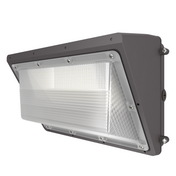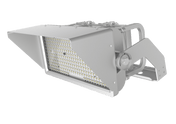

A well-designed stadium lighting layout is more than just illuminating the field—it’s about ensuring athlete safety, enhancing spectator experience, and meeting professional competition standards. With LED fixtures becoming the gold standard in sports lighting, mastering their layout design can transform your stadium into a high-performance, energy-efficient venue. In this guide, Hylele shares actionable steps, key considerations, and expert insights to help you create the perfect LED lighting layout for any stadium type.
Why LED Fixtures Are Non-Negotiable for Modern Stadium Lighting
Before diving into layout design, it’s critical to understand why LED technology outperforms traditional lighting (like metal halide) for stadiums:
- Superior Energy Efficiency: LED fixtures deliver 140-180 lm/W, cutting energy consumption by 50% or more compared to conventional options . This translates to significant long-term cost savings for stadium operators.
- Precise Optical Control: LEDs allow targeted beam direction and shaping, minimizing glare (a key distraction for athletes) and light pollution . Hylele’s LED fixtures, for example, feature customizable optical lenses to avoid wasted light.
- Durability & Low Maintenance: With a lifespan of 50,000-100,000 hours (L70/B50 standard), LEDs reduce the need for frequent replacements—critical for fixtures mounted on 20+ meter poles .
- Instant Dimming & Stability: LEDs start instantly (no warm-up time) and support smooth, dimming, making them ideal for adjusting light levels between training, matches, and events .
- High Color Rendering: LEDs with a CRI (Color Rendering Index) of 80+ (90+ for broadcast) accurately reproduce field colors and athlete uniforms, elevating both live and TV viewing experiences .
7 Step-by-Step Process to Design Your LED Stadium Lighting Layout
Designing an effective layout requires balancing technical requirements, venue specifics, and user needs. Follow this structured approach:
1. Define Core Requirements & Standards
Start by clarifying the stadium’s purpose and compliance needs:
- Venue Type: Football, basketball, tennis, or multi-sport? Each sport has unique lighting demands (e.g., football needs wide coverage, tennis requires minimal shadow ).
- Event Level: Community training (50-200 lux), amateur leagues (300-500 lux), professional competitions (500-1400 lux), or TV broadcast (>2000 lux) .
- Key Metrics: Aim for uniform illuminance (minimum/average ratio ≥0.4 for community, ≥0.8 for professional), glare index (GR) ≤50, and flicker-free performance for broadcasts .
2. Conduct On-Site Assessment
Gather critical data to inform your design:
- Measure the field dimensions, shape, and surrounding environment (e.g., nearby buildings or residential areas to avoid light spill).
- Note existing infrastructure: Light pole positions, height capacity (6-8m for community, 20-30m for professional stadiums ), and electrical access points.
- Assess natural light patterns (for outdoor stadiums) to complement or adjust LED output dynamically.
3. Select the Right Hylele LED Fixtures
Choose fixtures based on your requirements and technical parameters:
- Power & Luminous Flux: Opt for 200W-400W for community venues, 800W-1500W for professional stadiums, and 1500W+ for broadcast . Prioritize actual flux over wattage—Hylele’s high-efficiency LEDs deliver maximum brightness with minimal energy use.
- Optical Design: Use narrow-beam (15°-25°) lenses for long-distance field coverage, medium-beam (30°-50°) for transition zones, and wide-beam for spectator areas .
- Protection Ratings: Select fixtures with IP65/IP66 (dust/waterproof) and IK08/IK10 (impact resistance) to withstand harsh outdoor conditions .
- Color Temperature: 4000K-5000K (neutral to daylight white) is ideal—avoid >6000K to prevent visual fatigue and color distortion .
4. Determine Layout Configuration
The right layout ensures uniform light distribution without blind spots:
- Central Pole Layout: Suitable for small to medium stadiums (e.g., community football fields). Mount fixtures on 4-6 poles around the field perimeter for balanced coverage.
- Perimeter Pole Layout: Ideal for large professional stadiums. Space poles evenly along the sidelines and endlines, angling fixtures to overlap light beams for uniform.
- Hybrid Layout: Combine central and perimeter poles for complex venues (e.g., multi-sport stadiums) to cover both the field and spectator areas.
- Zone Lighting: Divide the field into sections (e.g., football endzones, basketball key areas) and assign targeted fixtures to optimize brightness where it matters most .
5. Simulate & Optimize with Lighting Software
Use professional tools like Dialux to test your design:
- Import Hylele’s IES files to simulate light distribution, uniformness, and glare.
- Adjust fixture angles, quantities, and positions to eliminate dark spots or excessive brightness.
- Compare multiple designs to balance performance, energy efficiency, and cost.
6. Integrate Smart Control Systems
Maximize flexibility and savings with intelligent controls:
- Implement dimming and zoning to adjust light levels for training, matches, or maintenance.
- Add motion sensors or timers to automatically reduce output during idle periods.
- For advanced setups, integrate Hylele’s smart lighting system for remote monitoring, scene presets, and energy usage tracking .
7. Finalize Installation & Testing
Ensure your design translates to real-world performance:
- Follow Hylele’s installation guidelines for proper fixture mounting, wiring, and pole load distribution.
- Conduct on-site testing: Verify illuminance, uniformness, and glare using professional meters.
- Train staff on operating the control system and schedule regular maintenance (e.g., cleaning lenses and checking connections) to preserve performance .
Hylele LED Lighting Layout Examples
- Community Football Field: 4 poles (8m height) with 300W Hylele LED fixtures (4000K, IP66). Layout delivers 200 lux uniform illumination, ideal for training and casual matches.
- Professional Basketball Arena: Perimeter pole layout with 600W Hylele fixtures (5000K, CRI 90). Achieves 800 lux with 0.8+ uniformness and GR ≤45, meeting FIBA standards.
- Broadcast-Ready Stadium: High-pole (30m) layout with 1800W Hylele LED fixtures, narrow-beam lenses, and smart dimming. Delivers 2200 lux flicker-free light for HD broadcasts.
Want me to create a custom LED lighting layout proposal for your specific stadium (including fixture quantities, pole positions, and energy savings estimates)? Just share your venue size, event level, and requirements, and I’ll tailor a plan that aligns with your goals.