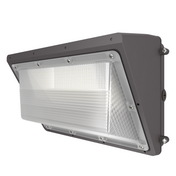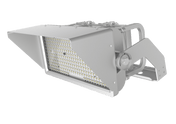

LED wall pack fixtures are a staple of outdoor lighting—versatile, durable, and energy-efficient, they’re ideal for illuminating building exteriors, parking lots, walkways, loading docks, and industrial perimeters. Unlike traditional wall sconces or floodlights, LED wall packs mount directly to walls, delivering targeted, uniform light while minimizing glare and light trespass. But designing effective outdoor lighting with LED wall packs requires more than just mounting fixtures—you need to balance brightness, coverage, safety, and compliance.
In this guide, we’ll walk you through the step-by-step process of designing outdoor lighting with LED wall pack fixtures, from assessing your space to selecting the right products and optimizing placement. Whether you’re upgrading a commercial building’s exterior, lighting a residential driveway, or securing an industrial facility, this guide will help you create a functional, efficient, and compliant lighting design—while boosting your search visibility for queries like “LED wall pack lighting design,” “outdoor wall pack placement,” and “LED wall pack wattage for commercial spaces.”
Why Choose LED Wall Pack Fixtures for Outdoor Lighting?
Before diving into design, let’s recap why LED wall packs are the top choice for outdoor applications:
- Energy Efficiency: LED wall packs use 50–70% less energy than HPS or metal halide wall packs. A 30W LED wall pack delivers the same brightness as a 100W HPS model—slashing electricity bills.
- Durability: Most LED wall packs have an IP65+ rating (dust-tight and water-resistant) and heavy-duty aluminum housings, making them resistant to rain, snow, salt spray, and extreme temperatures (-40°F to 122°F).
- Targeted Illumination: With adjustable beam angles (60°–150°) and directional light output, LED wall packs focus light where it’s needed—reducing glare and light trespass (critical for residential or urban areas).
- Long Lifespan: 50,000–100,000 hours of operation (5–10 years of 24/7 use) means minimal maintenance and replacement costs.
- Instant On/Off: No warm-up time (unlike HPS) and compatibility with dusk-to-dawn photocells or motion sensors for added efficiency.
These benefits make LED wall packs ideal for: commercial building exteriors, parking garages, walkways, loading docks, industrial perimeters, residential driveways, and security lighting.
Step-by-Step Guide to Designing Outdoor Lighting with LED Wall Packs
Designing effective outdoor lighting with LED wall packs involves 6 key steps—follow this framework to ensure success:
Step 1: Assess Your Space & Define Lighting Goals
Start by clarifying the purpose of your outdoor lighting—this will guide all subsequent decisions:
- Identify Key Areas to Illuminate:
- High-traffic zones (walkways, entryways, loading docks).
- Security-sensitive areas (perimeter fences, back doors, storage yards).
- Aesthetic focal points (building facades, signage, landscaping).
- Determine Lux Requirements:
- Security lighting: 100–200 lux (bright enough to deter intruders and capture video footage).
- Walkways/pedestrian areas: 50–100 lux (safe for navigation without glare).
- Loading docks/working areas: 200–300 lux (bright enough for tasks like unloading trucks).
- Building facades: 30–70 lux (aesthetic lighting, avoid overlighting).
- Note Constraints:
- Wall height and material (concrete, brick, metal—affects mounting and heat dissipation).
- Obstacles (trees, bushes, other buildings—may block light).
- Local regulations (light trespass limits, glare restrictions, wattage caps—check municipal codes).
Step 2: Select the Right LED Wall Pack Fixtures
Choosing the correct fixtures is critical—focus on these key specifications:
A. Wattage & Lumen Output
Wattage directly correlates to brightness (lumens). Use this guide to match wattage to your needs:
- Residential/Small Commercial: 10–30W (1,000–3,000 lumens) – driveways, small walkways, entryways.
- Medium Commercial: 30–60W (3,000–6,000 lumens) – building exteriors, parking lot perimeters, walkways.
- Industrial/Large Commercial: 60–120W (6,000–12,000 lumens) – loading docks, industrial perimeters, large parking garages.
Pro Tip: Calculate required lumens using the formula: Total Lumens = Area (sq. ft.) × Target Lux × 10.76 (since 1 lux = 10.76 foot-candles). For example, a 500 sq. ft. loading dock needing 200 lux requires 500 × 200 × 10.76 = 1,076,000 lumens total—divide by fixture lumens to determine how many wall packs you need.
B. Beam Angle
Beam angle determines light spread—choose based on the area you want to cover:
- Narrow Beam (60°–90°): Ideal for targeting specific areas (entryways, signage, security cameras). Reduces glare and light trespass.
- Wide Beam (120°–150°): Best for large, open areas (parking lots, walkways, building facades). Provides uniform coverage.
- Adjustable Beam: Some LED wall packs have adjustable optics (60°–150°) – flexible for multi-purpose areas.
C. Color Temperature
Color temperature (K) affects the mood and functionality of lighting:
- Warm White (3000K–3500K): Soft, inviting light – ideal for residential exteriors, restaurants, or hospitality buildings.
- Neutral White (4000K): Balanced, daylight-like light – perfect for commercial buildings, walkways, and security lighting (reduces eye strain).
- Cool White (5000K–6000K): Bright, crisp light – best for industrial areas, loading docks, and parking garages (maximizes visibility).
D. Additional Features
- Dusk-to-Dawn Photocells: Automatically turn on at dusk and off at dawn – saves energy and eliminates manual control.
- Motion Sensors: Activate light only when motion is detected – ideal for security areas or low-traffic zones (e.g., back alleys).
- Dimming Capability: 0–10V or DALI dimming – adjust brightness based on time of day or occupancy.
- Glare Reduction: Look for fixtures with UGR ≤ 22 (Unified Glare Rating) – critical for residential areas or walkways.
- Certifications: DLC, ENERGY STAR, UL/ETL (safety and efficiency), IP65+ (weather resistance).
Step 3: Optimize Fixture Placement & Spacing
Proper placement ensures uniform coverage, minimizes glare, and maximizes efficiency. Follow these guidelines:
A. Mounting Height
- Residential/Small Areas: 8–12 feet above ground – avoids glare for pedestrians and drivers.
- Commercial/Industrial Areas: 12–18 feet above ground – covers larger areas without overlighting.
- Rule of Thumb: Mount fixtures at least 1.5x the height of the area you want to illuminate. For example, to light a 10-foot wide walkway, mount the fixture 15 feet high.
B. Spacing
- Uniform Coverage: Space fixtures 1.5–2x the mounting height apart. For example, a fixture mounted 12 feet high should be spaced 18–24 feet from the next fixture.
- Security Lighting: Tighter spacing (1–1.5x mounting height) – ensures no dark spots for intruders to hide.
- Facade Lighting: Space fixtures 2–3x the wall height apart – avoids hot spots and ensures even illumination.
C. Mounting Angle
- Walkways/Parking Lots: Tilt fixtures 15–30° downward – directs light toward the ground, reducing glare.
- Security Cameras: Tilt fixtures 5–10° toward camera lenses – improves image quality (avoid direct glare on cameras).
- Facade Lighting: Tilt fixtures 0–15° upward – highlights architectural features without washing out the wall.
Step 4: Ensure Compliance with Local Codes & Standards
Outdoor lighting is regulated by municipal codes, national standards, and environmental guidelines—non-compliance can result in fines or forced modifications:
- Light Trespass: Most cities limit light trespass to adjacent properties (e.g., no more than 50 lux at property lines). Use narrow beam angles or shielding to comply.
- Glare Restrictions: OSHA and IESNA standards require UGR ≤ 22 for pedestrian areas and UGR ≤ 25 for industrial zones.
- Wattage Caps: Some residential areas cap outdoor lighting wattage (e.g., 50W per fixture). Check local ordinances.
- Dark Sky Compliance: Many areas (e.g., national park buffer zones) require shielded fixtures to reduce light pollution. Choose “full cutoff” LED wall packs (no upward light).
- Energy Codes: IECC (International Energy Conservation Code) requires LED outdoor lighting to have efficacy ≥ 100 lumens/W – ensure your fixtures meet this standard.
Step 5: Integrate Controls for Efficiency & Convenience
LED wall packs work seamlessly with smart controls to reduce energy use and improve functionality:
- Dusk-to-Dawn Photocells: As mentioned earlier, these are a must for most outdoor applications—eliminates wasted energy during daylight hours.
- Motion Sensors: Pair with wall packs in low-traffic areas (e.g., back doors, alleys) – lights stay off until motion is detected (saves 30–50% on energy).
- Smart Lighting Systems: For large commercial or industrial facilities, use IoT-enabled controls (e.g., Philips Hue, Lutron) to monitor and adjust lighting remotely. Features like scheduling, dimming, and occupancy sensing further reduce energy use.
- Emergency Backup: For critical areas (e.g., exit routes, loading docks), choose LED wall packs with battery backups – ensures lighting during power outages (complies with NFPA standards).
Step 6: Test & Adjust the Design
Before finalizing installation, test the lighting design to identify issues:
- Lux Meter Test: Use a lux meter to verify brightness meets target levels (e.g., 100 lux for walkways). Adjust wattage or spacing if needed.
- Glare Test: Walk through the area at night – check for glare that impairs vision (e.g., when driving or walking). Tilt fixtures downward or add shielding if necessary.
- Dark Spot Check: Inspect for dark spots (especially in security areas) – add additional fixtures or adjust beam angles to cover gaps.
- Trespass Check: Measure light levels at property lines – ensure compliance with local codes.
Scene-Specific LED Wall Pack Design Examples
To help you apply the above steps, here are three common outdoor lighting scenarios:
1. Commercial Building Exterior
- Goals: Aesthetic illumination, security, and brand visibility.
- Fixtures: 30–60W LED wall packs (3,000–6,000 lumens), 4000K neutral white, 120° wide beam, full cutoff design.
- Placement: Mount 12–15 feet high, spaced 20–25 feet apart along the building facade. Tilt 10° upward to highlight architectural features.
- Controls: Dusk-to-dawn photocells + dimming (reduce to 50% brightness after 10 PM).
2. Industrial Loading Dock
- Goals: Bright, uniform lighting for task performance and safety.
- Fixtures: 60–100W LED wall packs (6,000–10,000 lumens), 5000K cool white, 90° beam angle, UGR ≤ 22.
- Placement: Mount 15–18 feet high, spaced 15–20 feet apart along the dock wall. Tilt 20° downward to cover the loading area.
- Controls: Dusk-to-dawn photocells + motion sensors (full brightness when motion is detected, 30% otherwise).
3. Residential Driveway & Walkway
- Goals: Safe navigation, security, and minimal glare for neighbors.
- Fixtures: 10–20W LED wall packs (1,000–2,000 lumens), 3000K warm white, 60° narrow beam, IP65 rating.
- Placement: Mount 8–10 feet high at entryways and driveway corners. Spaced 15–20 feet apart. Tilt 25° downward to avoid glare.
- Controls: Dusk-to-dawn photocells (no motion sensors needed for high-traffic residential areas).
Common Mistakes to Avoid in LED Wall Pack Lighting Design
- Overlighting: Choosing too high wattage (e.g., 100W for a small driveway) wastes energy and causes glare. Stick to target lux requirements.
- Poor Spacing: Spacing fixtures too far apart creates dark spots; too close causes hot spots. Follow the 1.5–2x mounting height rule.
- Ignoring Glare: Mounting fixtures too low or at the wrong angle leads to glare for drivers or pedestrians. Tilt fixtures downward and choose low-UGR models.
- Non-Compliant Fixtures: Using uncertified fixtures (no UL/ETL, low IP rating) leads to premature failure or code violations.
- Forgetting Controls: Skipping photocells or motion sensors wastes energy—these are low-cost additions that pay for themselves quickly.
- Neglecting Heat Dissipation: Mounting fixtures on heat-sensitive materials (e.g., plastic walls) or in enclosed spaces reduces lifespan. Choose aluminum-housed fixtures and ensure proper ventilation.
Final Thoughts
Designing outdoor lighting with LED wall pack fixtures requires a balance of functionality, efficiency, and compliance. By following the step-by-step guide—assessing your space, selecting the right fixtures, optimizing placement, and integrating controls—you’ll create a lighting design that enhances safety, improves visibility, and saves energy.
LED wall packs are a versatile, cost-effective solution for any outdoor space, from residential driveways to industrial facilities. Their durability, energy efficiency, and targeted illumination make them the smart choice for modern outdoor lighting.
Key takeaways for success:
- Match wattage and beam angle to your lighting goals (security, aesthetics, task performance).
- Follow placement guidelines to ensure uniform coverage and minimal glare.
- Comply with local codes to avoid fines and reduce light pollution.
- Add controls (photocells, motion sensors) to maximize energy savings.
If you need help calculating the number of fixtures for your space, comparing top LED wall pack models, or navigating local codes, leave a comment below or contact our lighting experts for a free, personalized consultation!