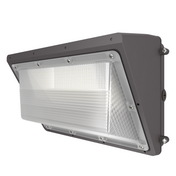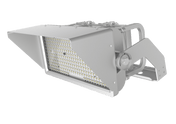

Glare from LED UFO high bay lighting is a common challenge in industrial warehouses, manufacturing facilities, and large commercial spaces. Not only does it cause eye strain and discomfort for workers, but it can also compromise safety, reduce productivity, and even violate industry lighting standards. As LED technology becomes the go-to choice for high bay applications due to its energy efficiency and long lifespan, addressing glare has become a critical part of successful lighting projects. In this guide, we’ll break down the root causes of glare in LED UFO high bays and share actionable strategies to minimize it—from product selection to installation best practices.
What Causes Glare in LED UFO High Bay Lighting?
Before diving into solutions, it’s important to understand why glare occurs. LED UFO high bays are designed for large, open spaces with high ceilings (typically 20ft or more), and their compact, dome-shaped design can amplify glare if not properly optimized. Key causes include:
- High brightness density: LED chips emit intense light in a concentrated area, especially in high-lumen models (10,000+ lumens).
- Poor optical control: Low-quality fixtures lack effective lenses, reflectors, or diffusers to direct light where it’s needed.
- Incorrect mounting height/angle: Fixtures installed too low or at the wrong angle can create direct glare for workers below.
- Lack of shielding: Exposed LED arrays or inadequate housing design allow light to scatter horizontally.
7 Effective Strategies to Reduce Glare in LED UFO High Bay Projects
1. Choose Fixtures with Optimized Optical Design
The most impactful way to reduce glare starts with selecting the right LED UFO high bay. Look for products with these features:
- Diffused lenses or prismatic covers: These accessories soften light distribution by scattering rays evenly, reducing direct glare. Frosted or opal lenses are ideal for spaces where uniform illumination is priority.
- Reflector systems: High-quality reflectors (e.g., aluminum or polished metal) redirect light downward, minimizing horizontal scatter. Some fixtures offer adjustable reflectors to tailor light distribution to specific spaces.
- Low UGR rating: UGR (Unified Glare Rating) measures glare intensity—aim for fixtures with UGR ≤ 19 for industrial applications. This rating ensures the light is bright enough for tasks without causing discomfort.
2. Adjust Mounting Height and Spacing
Proper installation is crucial for glare control. Follow these guidelines:
- Mount at the right height: For standard LED UFO high bays (150W–200W), mount at 20ft–30ft above the floor. Higher mounting reduces direct line of sight to the LED array, lowering glare.
- Maintain optimal spacing: Space fixtures 1.5–2 times the mounting height apart. Overcrowding can create overlapping glare, while spacing too far leads to uneven lighting and dark spots.
- Avoid angling toward workstations: If fixtures are adjustable, ensure they’re directed downward rather than toward areas where workers spend extended time (e.g., assembly lines, offices within warehouses).
3. Use Anti-Glare Accessories
For existing fixtures or projects where fixture replacement isn’t feasible, add anti-glare accessories:
- Glare shields/hoods: These attach to the fixture’s lens and block horizontal light rays, reducing glare for workers at eye level. They’re especially useful in spaces with low ceilings.
- Louvers: Slotted louvers (e.g., aluminum or polycarbonate) limit light diffusion to a narrow angle, directing most light downward. They’re ideal for high-traffic areas or spaces with specific lighting requirements.
- Diffuser films: Apply adhesive diffuser films to existing clear lenses to soften light. This is a cost-effective solution for retrofitting older fixtures.
4. Opt for Warm White or Neutral White Color Temperatures
Color temperature affects perceived glare. While cool white (5000K–6000K) is popular for industrial spaces due to its brightness, it can be harsher and more glaring. Instead:
- Choose neutral white (4000K) for a balance of brightness and comfort, reducing eye strain while maintaining visibility.
- For spaces where warmth is preferred (e.g., warehouses with office areas), use warm white (3000K–3500K) to minimize glare and create a more inviting environment.
5. Implement Dimming and Motion Sensor Controls
Glare is often more noticeable when light levels are higher than needed. Adding controls allows you to adjust brightness based on occupancy and task requirements:
- Dimmers: Lower light output during low-traffic hours or when tasks don’t require maximum brightness. This reduces glare and saves energy.
- Motion sensors: Ensure fixtures only turn on at full brightness when motion is detected. When spaces are unoccupied, lights dim or turn off, eliminating unnecessary glare.
6. Consider Task Lighting for Critical Areas
In spaces where precise tasks are performed (e.g., inspection stations, assembly lines), supplement LED UFO high bays with task lighting:
- Use adjustable desk lamps, pendant lights, or strip lights to provide focused illumination for specific tasks.
- Task lighting reduces reliance on high bay fixtures, allowing you to lower their brightness (and glare) while maintaining adequate visibility for critical work.
7. Follow Industry Standards and Regulations
Compliance with lighting standards not only ensures safety but also helps minimize glare. Key standards include:
- OSHA requirements: OSHA mandates minimum light levels for industrial spaces (e.g., 20 foot-candles for general warehouses, 50 foot-candles for assembly areas) but also emphasizes glare reduction to prevent eye fatigue.
- IEC 60598: This international standard specifies glare limits for lighting fixtures, including LED high bays. Ensure your chosen products meet IEC 60598 Class II or III for glare control.
Case Study: Glare Reduction in a 50,000 Sq. Ft. Warehouse
A manufacturing warehouse in Chicago was struggling with excessive glare from 100+ LED UFO high bays (200W, 5000K), leading to worker complaints and reduced productivity. The solution included:
- Replacing 20% of fixtures with low-UGR (18) models with prismatic diffusers.
- Adding glare shields to remaining fixtures.
- Adjusting mounting height from 18ft to 25ft and spacing fixtures 30ft apart.
- Switching to 4000K color temperature.
After implementation, worker-reported eye strain decreased by 75%, and the warehouse met OSHA lighting standards. Energy consumption also dropped by 12% due to improved light distribution.
Final Thoughts
Reducing glare in LED UFO high bay lighting projects requires a combination of smart product selection, proper installation, and strategic accessory use. By prioritizing fixtures with low UGR ratings, optimizing mounting height and spacing, and incorporating anti-glare solutions, you can create a safer, more comfortable environment for workers while maximizing the benefits of LED technology. Whether you’re planning a new project or retrofitting an existing space, these strategies will help you achieve optimal lighting performance with minimal glare.
For more insights on LED lighting optimization or to connect with a lighting expert, leave a comment below or contact our team!