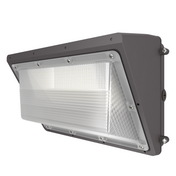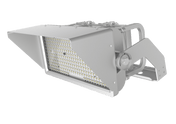

If you’re shopping for outdoor wall pack lights for commercial buildings, parking lots, warehouses, or residential exteriors, you’ve likely encountered two common terms: full cutoff and non-cutoff. While both serve the purpose of illuminating outdoor spaces, their design, light distribution, and performance vary significantly—impacting everything from visibility and safety to light pollution and energy costs. In this guide, we’ll break down the core differences between full cutoff and non-cutoff wall pack lights, helping you make an informed decision for your project.
What Are Full Cutoff Wall Pack Lights?
First, let’s define a full cutoff wall pack light. By industry standards (ANSI/IESNA LM-70), a full cutoff fixture is designed to prevent light from escaping above the horizontal plane of the fixture. In other words, 100% of the light emitted is directed downward and outward—no upward glare, no light spillage into the night sky.
Key features of full cutoff wall packs:
- Light distribution: All light is focused below the fixture’s horizontal axis, creating a targeted, downward beam.
- Glare reduction: Minimal to no upward glare, making them ideal for areas where eye comfort is critical (e.g., walkways, entryways, near windows).
- Light pollution friendly: Since no light escapes upward, they don’t contribute to skyglow—making them compliant with dark sky regulations in many cities.
- Design: Equipped with a shielded lens or housing that blocks upward light, often with a more compact, directional profile.
What Are Non-Cutoff Wall Pack Lights?
In contrast, non-cutoff wall pack lights have no restrictions on upward light emission. Their design allows light to spread freely in all directions—above, below, and to the sides of the fixture.
Key features of non-cutoff wall packs:
- Light distribution: Wide, omnidirectional spread, with significant light escaping above the horizontal plane.
- Glare potential: Higher glare, especially when viewed from eye level or at a distance, due to unshielded light.
- Light pollution impact: Contributes to skyglow and light trespass (light spilling into unintended areas like neighboring properties).
- Design: Typically unshielded or minimally shielded, with a focus on maximizing light output over directionality.
Core Differences Between Full Cutoff and Non-Cutoff Wall Packs
To simplify the comparison, let’s outline the key distinctions:
|
Factor
|
Full Cutoff Wall Packs
|
Non-Cutoff Wall Packs
|
|
Light Direction
|
100% downward/outward (no upward light)
|
Omnidirectional (upward, downward, and sideways)
|
|
Glare
|
Low to none – eye-friendly
|
High – can cause discomfort or temporary blindness
|
|
Light Pollution
|
Compliant with dark sky regulations – eco-friendly
|
Non-compliant – contributes to skyglow/trespass
|
|
Energy Efficiency
|
More efficient (light is targeted where needed)
|
Less efficient (wasted light escapes upward)
|
|
Safety
|
Better for visibility (no glare-related hazards)
|
Riskier for pedestrians/drivers (glare impairs vision)
|
|
Ideal Applications
|
Parking lots, walkways, entryways, residential areas
|
Large open spaces (e.g., construction sites) where directionality isn’t critical
|
When to Choose Full Cutoff vs. Non-Cutoff?
- Choose Full Cutoff If: You need targeted, glare-free lighting; comply with local dark sky laws; prioritize energy efficiency; or illuminate areas with pedestrians/drivers (e.g., retail parking lots, apartment complexes, sidewalks).
- Choose Non-Cutoff If: You need maximum, wide-area light coverage for temporary or industrial use (e.g., construction zones, remote warehouses) and have no restrictions on light pollution.
Additional Considerations for Outdoor Lighting
Beyond the cutoff distinction, here are a few extra factors to keep in mind:
- Lumen Output: Ensure the fixture’s lumen count matches your space size (full cutoff fixtures may require slightly higher lumens to compensate for targeted distribution).
- LED Technology: Both cutoff and non-cutoff wall packs are available in LED—opt for LED for longer lifespan, lower energy costs, and better dimming options.
- Mounting Height: Full cutoff fixtures perform best when mounted 10-20 feet high, while non-cutoff may need higher mounting to reduce glare.
Final Thoughts
The choice between full cutoff and non-cutoff wall pack lights boils down to directionality, compliance, and user safety. Full cutoff fixtures are the modern, responsible choice for most commercial and residential outdoor lighting needs—offering efficiency, reduced glare, and environmental friendliness. Non-cutoff fixtures, while less common today, still have a place in specific industrial or temporary applications where wide, unfiltered light is necessary.
Before purchasing, check your local building codes (many cities mandate full cutoff fixtures for outdoor use) and assess your space’s lighting needs. By understanding these key differences, you’ll select a wall pack light that enhances safety, saves energy, and meets your project’s requirements.