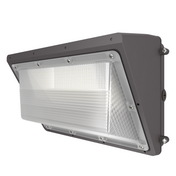

Street lighting is one of the most important parts of public infrastructure. It improves safety, supports traffic flow, and enhances community comfort at night. For many decades, HPS (High-Pressure Sodium) lights have been the most common choice for streets, roads, and public areas. However, HPS technology is now outdated, inefficient, and costly to maintain.
LED street lights have become the best modern replacement. They offer better energy efficiency, longer lifespan, higher light quality, and lower long-term costs. For municipalities, government departments, electrical contractors, and lighting engineers, replacing HPS street lights with LED is one of the most valuable infrastructure upgrades available.
This complete guide explains everything you need to know about switching from HPS to LED street lights. We cover the benefits, pre-upgrade checks, wattage matching, step-by-step installation, safety rules, and troubleshooting tips. By the end of this article, you will be able to plan and complete a successful HPS to LED street light replacement project.
Why Replace HPS Street Lights with LED?
Before starting any replacement project, it is important to understand the real advantages of LED over traditional HPS lighting. These benefits help you justify budgets, gain approval, and explain value to decision-makers.
1. Dramatic Energy Savings (50%–70%)
HPS lights are extremely inefficient. They waste a large amount of energy as heat instead of light. LED street lights use far less power while producing the same or brighter illumination.
In most projects, switching from HPS to LED reduces energy consumption by 50% to 70%. This leads to massive monthly savings on electricity bills, especially for cities with thousands of street lights.
2. Much Longer Lifespan
A typical HPS bulb only lasts 8,000 to 12,000 hours. This means frequent replacements—often every 1 to 2 years.
LED street lights last 50,000 to 100,000 hours, which is 5 to 10 times longer. This drastically reduces maintenance work, ladder truck usage, and labor costs.
3. Better Light Quality & Safety
HPS lights produce a yellow-orange glow with poor color rendering. It is hard to recognize colors, faces, signs, and hazards under HPS light.
LED street lights provide clean, white light with high CRI (Color Rendering Index). This improves visibility, increases safety for drivers and pedestrians, and reduces crime rates in many areas.
4. Lower Maintenance Costs
Frequent bulb changes, broken ballasts, and faulty ignitors make HPS lights expensive to maintain. LED lights have no bulbs, electrodes, or ballasts to replace.
Once installed, LED street lights require almost no regular maintenance for 5 to 10 years.
5. Eco-Friendly & Mercury-Free
HPS lamps contain mercury, a dangerous toxic material that requires special disposal. LED lights contain no mercury, lead, or harmful substances.
LED technology also reduces carbon emissions because of lower energy use, helping cities meet environmental and sustainability goals.
6. Compatible with Smart Controls
Modern LED street lights can connect to smart control systems, including dimming, motion sensors, time control, and remote monitoring.
Cities can dim lights during late-night low-traffic hours to save even more energy. Some systems can also send alerts when a light is not working.
Key Pre-Replacement Checks & Preparation
A successful HPS to LED upgrade requires careful preparation. Skipping these steps can lead to compatibility issues, poor lighting, or wasted budget.
1. Record Your Existing HPS Details
Create a complete inventory of your current street lights:
- Total number of fixtures
- HPS wattage: 70W, 100W, 150W, 250W, 400W
- Pole height and style
- Mounting type: arm mount, bracket mount, or post top
- Input voltage: 120V, 220V, 230V, 277V, 480V
- Condition of poles, wires, and junction boxes
2. Correct LED Wattage Matching
One of the most common mistakes is choosing the wrong LED power. Use this reliable replacement guide:
- 70W HPS → 30W LED
- 100W HPS → 40W LED
- 150W HPS → 50W–60W LED
- 250W HPS → 80W–100W LED
- 400W HPS → 120W–150W LED
Always compare lumens, not just wattage. Lumens measure actual light output.
3. Check Pole & Wiring Compatibility
Most LED street lights are lighter than HPS and fit existing poles. However, you must confirm:
- Mounting hole pattern
- Pole weight capacity
- Wiring condition (old or damaged wires should be replaced)
- Voltage compatibility
4. Calculate ROI & Cost Savings
Municipal projects often require ROI (Return on Investment) calculations.
The formula is simple:
ROI (years) = Total upfront cost ÷ Annual savings (energy + maintenance)
Most street light retrofit projects achieve payback within 1 to 3 years.
5. Check for Rebates & Incentives
Many governments and power companies offer rebates for LED street light upgrades. DLC, ENERGY STAR, or local certified products often qualify. These incentives can reduce project cost by 20%–50%.
Step-by-Step HPS to LED Street Light Replacement
Follow these steps for safe, professional, and code-compliant installation.
Tools You Need
- Bucket truck or lift
- Screwdrivers, wire strippers, pliers
- Multimeter
- Safety equipment: helmet, gloves, safety belt
- Waterproof wire nuts
- LED street light fixtures
Step 1: Turn Off Power
Always turn off power at the circuit breaker or disconnect switch before working. Use a multimeter to confirm no voltage is present. Safety comes first.
Step 2: Remove the Old HPS Fixture
Loosen the mounting bolts and carefully remove the HPS light. Disconnect the wires. HPS fixtures have a ballast that must be handled properly.
Step 3: Bypass or Remove the HPS Ballast
LED street lights DO NOT need a ballast.
You must either bypass the ballast or remove it completely. Connect the incoming power wires directly to the LED driver input.
Step 4: Mount the LED Street Light
Attach the LED fixture to the pole arm or bracket. Make sure it is stable and level. Adjust the angle so light shines on the road, not upward into the sky.
Step 5: Connect the Wires
Match the wires correctly:
- Line (live) → LED live wire
- Neutral → LED neutral wire
- Ground → LED ground wire
Use waterproof wire nuts and wrap connections to prevent rain damage.
Step 6: Restore Power & Test
Turn the power back on. Check if the LED light turns on smoothly with no flicker or hum. Walk the area to confirm even lighting distribution.
Step 7: Final Inspection
Check all mounting bolts, wire connections, and fixture alignment. Clean the area and record the new installation for maintenance records.
Common Mistakes to Avoid
1. Not Bypassing the HPS Ballast
Leaving the old ballast connected will cause flickering, failure, or shortened LED life.
2. Choosing Under-Powered LED Lights
Too low wattage results in dark streets and safety risks. Always match or exceed original brightness.
3. Poor Fixture Aim
If the light is aimed incorrectly, it causes glare or dark spots. Always angle the light toward the pavement.
4. Using Low-Quality LED Lights
Cheap LEDs fail early, have poor heat dissipation, and lose brightness quickly. Always choose industrial-grade LED street lights with long warranties.
Troubleshooting Common Issues
LED Light Does Not Turn On
- Check power and wiring
- Confirm ballast is bypassed
- Check for loose connections
Flickering or Strobing
- Damaged driver
- Incompatible voltage
- Loose wires
- Ballast not removed
Dim Light Output
- Wrong wattage
- Overheating
- Low input voltage
Conclusion
Replacing HPS street lights with LED is one of the smartest investments a city or community can make. It saves energy, lowers costs, improves safety, and supports environmental goals.
The process is straightforward when you follow the correct steps: assess your current system, choose the right LED fixtures, prepare the infrastructure, bypass the ballast, install safely, and test thoroughly.
By using this guide, contractors and municipal teams can complete reliable, long-lasting, and cost-effective street light upgrades. LED street lighting is the future of public infrastructure—bright, efficient, and sustainable.