
Introduction: The Hidden Crisis of Light Pollution
As urbanization accelerates and LED technology becomes ubiquitous, light pollution has emerged as a silent environmental threat. According to a 2023 study published in Science Magazine, the number of visible stars has decreased by 7-10% annually since 2011, with over 35% of artificial light in developed countries wasted due to poorly directed fixtures . This excess light disrupts ecosystems, harms human health, and wastes billions in energy costs. For cities, businesses, and environmental advocates, full cutoff LED street lights have emerged as a transformative solution—combining precision illumination, energy efficiency, and dark sky compliance to address this growing crisis.
What Are Full Cutoff LED Street Lights?
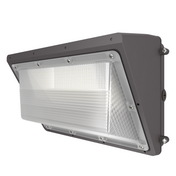
To understand their impact, we first need to define the technology. Full cutoff luminaires are engineered to meet strict optical standards: zero light emission above the horizontal plane (90 degrees from nadir) and a maximum luminous intensity of 100 candelas at 80 degrees from nadir. Unlike traditional street lights or even standard LEDs that scatter light upward and outward, full cutoff designs act like "light shields," directing 100% of illumination downward to target areas—roads, sidewalks, and pedestrian paths.
This directional control addresses three key forms of light pollution:
- Skyglow: Eliminates upward light that scatters in the atmosphere, restoring night sky visibility.
- Light Trespass: Prevents unwanted light from spilling into homes, parks, or natural habitats.
- Glare: Reduces harsh brightness that impairs driver vision and disrupts wildlife behavior .
When paired with LED technology, these fixtures offer additional benefits: longer lifespans (70,000+ hours), lower energy consumption, and compatibility with smart controls like motion sensors and dimming systems .
The Environmental and Human Benefits
Protecting Ecosystems
Light pollution disrupts the natural rhythms of countless species. Migratory birds become disoriented by skyglow, while sea turtle hatchlings are drawn away from the ocean toward artificial lights . Insects, a critical part of the food chain, are attracted to unshielded lights and become easy prey. Full cutoff LEDs mitigate these impacts by containing light to intended areas. The IUCN specifically recommends full cutoff fixtures as a key measure to protect nocturnal ecosystems, noting significant reductions in wildlife disturbance in areas where they’re installed .
Safeguarding Human Health
Excessive artificial light at night suppresses melatonin production, linked to sleep disorders, increased risk of chronic diseases, and reduced cognitive function. Glare from traditional street lights also contributes to traffic accidents—studies show full cutoff designs improve driver visibility by 30% due to reduced eye strain . For residential areas, these fixtures eliminate light intrusion into bedrooms, improving sleep quality for millions.
Cutting Energy Waste
Traditional street lights waste up to 50% of energy by directing light upward. Full cutoff LEDs reduce energy consumption by 40-60% compared to high-pressure sodium (HPS) lamps, with Seattle’s LED conversion program achieving 48% energy savings across 84,000 fixtures . For cities, this translates to millions in annual cost reductions. Rowlett, Texas, for example, deployed 425 solar-powered full cutoff LEDs to illuminate 5.5 miles of highways—avoiding $2.8 million in grid-tied lighting costs while eliminating operating expenses .
Real-World Success Stories
Rowlett, Texas: Off-Grid Innovation
Faced with unlit highways, budget constraints, and safety risks, Rowlett partnered with Fonroche Lighting America to install 425 solar-powered full cutoff LED units. The fixtures, designed for dark sky compliance and TxDOT standards, provided 365 nights of guaranteed illumination with no grid dependency . Key outcomes included:
- Eliminating safety hazards on Route 66 and residential corridors.
- Tripling coverage within the original budget by avoiding trenching and utility hookups.
- Achieving 10+ years of maintenance-free operation.
The project has become a national model for scalable, off-grid light pollution solutions, proving full cutoff LEDs can deliver both environmental and economic value.
Seattle: Urban Scale Conversion
Seattle’s city-wide LED street light program targeted 84,000 fixtures, prioritizing full cutoff designs for residential and arterial roads. By focusing on directional illumination and smart controls, the city reduced energy use by 48% and cut maintenance costs by eliminating bulb replacements . Community surveys showed 92% of residents preferred the warmer, glare-free lighting, highlighting the balance between functionality and quality of life.
Implementation Guide: Choosing and Installing Full Cutoff LEDs
Key Specifications to Consider
- Optical Compliance: Ensure fixtures meet IESNA full cutoff standards (zero upward light, strict candela limits at 80-90 degrees) .
- Color Temperature: Select 2700K-3000K warm white to minimize blue light emission, which contributes to skyglow and sleep disruption .
- IP Rating: For outdoor use, choose IP66-rated fixtures to withstand harsh weather.
- Smart Features: Integrate motion sensors or dimming systems to reduce light levels during off-peak hours.
- 配光 Type: Match the fixture’s distribution (TYPE1 for narrow paths, TYPE3 for highways) to the application .
Compliance with Dark Sky Regulations
Many regions now mandate full cutoff lighting for new developments. The International Dark-Sky Association (IDA) certifies fixtures that meet strict standards, while cities like Tucson, Arizona, and Flagstaff, Arizona, have enforced full cutoff requirements for decades—resulting in some of the darkest urban night skies in the U.S. For businesses and municipalities, compliance not only avoids fines but also qualifies for energy efficiency grants.
Installation Best Practices
- Pole Height and Spacing: Follow CJJ 45-2015 standards (e.g., 25-30 foot poles spaced 150 feet apart for arterial roads) .
- Trenchless Installation: Use direct burial methods to minimize disruption, as demonstrated in the Rowlett project .
- Retrofit vs. New Install: Retrofitting existing poles with full cutoff LED modules is cost-effective, while new projects should integrate fixtures into urban planning.
The Future of Light Pollution Reduction
As technology advances, full cutoff LEDs are becoming smarter and more accessible. The global market for energy-efficient street lighting is projected to reach $80 billion by 2025, with full cutoff designs accounting for 40% of installations. Key trends include:
- IoT Integration: Remote monitoring and adaptive lighting systems that adjust brightness based on real-time needs.
- Solar-Powered Solutions: Off-grid units that eliminate reliance on fossil fuels, as seen in Rowlett’s highway project.
- Policy Support: Governments worldwide are implementing stricter light pollution regulations, with China’s "The 14th Five-Year Plan" plan targeting a 20% reduction in urban nighttime light intensity.
Conclusion: A Brighter Future (Without the Glow)
Full cutoff LED street lights represent more than a lighting upgrade—they’re a critical tool for building sustainable, livable cities. By eliminating light pollution, saving energy, and protecting ecosystems, these fixtures address multiple global challenges at once. For municipalities, businesses, and homeowners, the investment pays dividends: lower costs, improved safety, and a healthier planet.
As the night sky continues to dim under the weight of unregulated lighting, full cutoff LEDs offer a path forward. By prioritizing precision, efficiency, and environmental stewardship, we can restore the beauty of the night sky while keeping our communities safe and connected. The time to act is now—for our health, our wildlife, and the future of our planet.