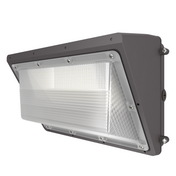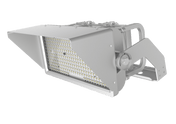

LED street lighting has evolved from a niche upgrade to the global standard for municipal, commercial, and residential road illumination in 2026. Replacing outdated high-pressure sodium (HPS), metal halide, and fluorescent fixtures, modern LED street lights deliver unmatched energy efficiency, durability, smart control, and safety—all while lowering long-term operational costs. This guide breaks down the core benefits, critical technical features, and step-by-step buying criteria to help you select the best LED street lights for your project in 2026.
Core Benefits of LED Street Lights in 2026
-
Unmatched Energy Savings & Cost EfficiencyLED street lights are 50–70% more energy-efficient than traditional HPS lamps, with top-tier models reaching 150–180 lumens per watt (lm/W) in 2026. Unlike old fixtures that waste most energy as heat, LEDs convert nearly all electricity into visible light. For a city with 10,000 street lights, switching to LEDs can cut annual energy bills by $50,000–$100,000. Combined with smart dimming and motion sensors, savings can climb to 80%—a critical advantage amid rising utility costs and sustainability mandates.
-
Longer Lifespan & Reduced MaintenancePremium LED street lights have a rated lifespan of 50,000–100,000 hours (10–20 years of continuous use), compared to just 15,000–25,000 hours for HPS. This eliminates frequent bulb replacements, reduces labor costs for maintenance crews, and minimizes road closures for repairs. LEDs also have no fragile filaments or glass components, making them far more resistant to vibration, shock, and extreme weather—key for outdoor road use.
-
Superior Light Quality & Public SafetyLEDs produce bright, uniform, white light with high Color Rendering Index (CRI 70–85+), far better than the yellow, dim glow of HPS. This improves visibility for drivers, cyclists, and pedestrians, reduces glare, and helps identify colors, faces, and hazards clearly. Better lighting directly lowers nighttime accident rates and crime in urban and suburban areas. Modern LEDs also support full-cutoff optics to comply with dark-sky regulations, reducing light pollution and protecting nocturnal wildlife.
-
Smart & Sustainable Integration2026 LED street lights come built for smart city ecosystems. They integrate with photocells, motion sensors, IoT controllers, and cloud-based management systems for remote monitoring, dimming, scheduling, and fault detection. Many models are solar-compatible, pairing with photovoltaic panels to operate off-grid in remote areas or reduce grid reliance. LEDs contain no toxic mercury (unlike HPS), making them eco-friendly to manufacture, use, and dispose of—aligning with global net-zero goals.
Must-Have Technical Features for 2026 LED Street Lights
When evaluating LED street lights, prioritize these non-negotiable features to ensure performance, durability, and compliance:
-
Luminous Efficacy & Lumen OutputLook for ≥130 lm/W for standard use and 150–180 lm/W for high-efficiency projects. Match lumen output to road type: 30–80W (3,000–8,000 lumens) for residential streets, 100–200W (10,000–20,000 lumens) for main roads, and 200–300W for highways. Avoid over-specifying lumens—this wastes energy and increases glare.
-
IP & IK RatingsOutdoor fixtures need IP65 or higher (dust-tight, protected against low-pressure water jets) to withstand rain, snow, dust, and humidity. Add IK08–IK10 impact resistance for areas with high vandalism risk. These ratings ensure the fixture’s driver, LEDs, and housing remain protected in harsh outdoor conditions.
-
LED Driver QualityThe driver is the most common failure point in LED lights. Choose UL-listed, CE-certified, constant-current drivers with surge protection (6kV–10kV) and a lifespan of ≥50,000 hours. Avoid cheap, unbranded drivers—they cause flickering, early burnout, and safety risks. Premium drivers support dimming (0–10V, DALI, or Zigbee) for smart control.
-
Thermal ManagementLEDs degrade quickly from excess heat. Look for fixtures with aluminum heat sinks, passive cooling fins, or active thermal management to keep junction temperatures below 85°C. Poor heat design shortens lifespan and reduces lumen output over time—critical for long-term reliability.
-
Optics & Beam AngleSelect Type II, III, or V light distribution patterns based on road width and pole spacing: Type II for narrow residential streets, Type III for medium-width roads, Type V for intersections and wide highways. Full-cutoff optics prevent upward light spill, comply with dark-sky rules, and maximize light on the road surface.
-
Smart Control Compatibility2026 models should support:
- Photocell sensors (auto on/off at dusk/dawn)
- Motion/PIR sensors (dim to 20–30% when no activity)
- IoT connectivity (LoRaWAN, Zigbee, 4G/5G) for remote management
- Dimming protocols (0–10V, DALI) for energy optimization
2026 LED Street Light Buying Guide: Step-by-Step Selection
Follow this framework to choose the right fixture for your project:
- Define Your Application & Road Type
- Residential streets: 30–60W, IP65, Type II optics, motion sensors
- Main roads/arterials: 80–150W, Type III optics, high CRI
- Highways: 150–300W, Type V optics, high lumen output
- Remote areas: Solar-powered LED street lights with battery storage
-
Set Budget & Calculate ROILEDs have higher upfront costs ($200–$800 per fixture vs. $50–$150 for HPS) but deliver ROI in 2–5 years via energy and maintenance savings. Calculate total cost of ownership (TCO) including installation, energy, and maintenance—not just initial price. Prioritize quality over low cost to avoid frequent replacements.
-
Verify Certifications & ComplianceEnsure fixtures meet:
- Safety: UL, CE, RoHS
- Performance: IESNA, LM-79 (lumen output testing), LM-80 (lifespan testing)
- Local standards: Dark-sky compliance, road illumination requirements (footcandle levels)
-
Evaluate Brand & WarrantyChoose reputable manufacturers with 5–10 year product warranties and 3–5 year driver warranties. Avoid unknown brands with short warranties—they often use low-quality components. Check customer reviews and case studies for real-world performance.
-
Installation & Maintenance PlanningEnsure compatibility with existing poles (mounting height, bracket size). Plan for easy access to drivers and LEDs for future maintenance. For smart systems, budget for IoT platform setup and training for staff.
Final Thoughts for 2026
LED street lights are no longer just a lighting upgrade—they are a foundational smart city investment. In 2026, the best choices balance high efficiency, smart functionality, durability, and compliance. By focusing on lumen efficacy, thermal design, driver quality, and smart controls, you can select fixtures that save money, boost safety, and support sustainable urban development for decades. Whether upgrading a small neighborhood or a major highway network, LED street lights deliver consistent, reliable performance that traditional technologies cannot match.