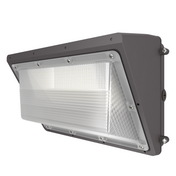

If your commercial building still uses metal halide, high‑pressure sodium (HPS), or fluorescent wall packs, you are literally throwing money away every single night.
Not next year. Not after the next lamp failure. Tonight.
Those old fixtures are burning excess electricity, demanding constant maintenance, producing poor quality light, and quietly draining your operating budget. Meanwhile, LED wall pack retrofits have become so affordable and efficient that the only question is: Why haven’t you switched yet?
This guide shows you exactly how much money you are wasting—and why 2026 is the year to stop.
1. The Math of Waste: What Your Old Wall Packs Cost You
Let's start with a typical commercial property: 20 wall pack fixtures, running 12 hours per night, 365 days per year, at an electricity rate of $0.12/kWh.
Metal Halide (70W – 100W actual including ballast)
| Metric | Value |
|---|---|
| Actual wattage | 100W |
| Annual hours | 4,380 |
| Annual kWh per fixture | 438 |
| Annual energy cost per fixture | $52.56 |
| Annual energy cost for 20 fixtures | $1,051 |
LED Wall Pack (30W – equivalent brightness)
| Metric | Value |
|---|---|
| Actual wattage | 30W |
| Annual hours | 4,380 |
| Annual kWh per fixture | 131 |
| Annual energy cost per fixture | $15.77 |
| Annual energy cost for 20 fixtures | $315 |
The Waste
You are wasting $736 per year in electricity alone on just 20 wall packs.
Over 10 years, that's $7,360 of pure waste—money that could be in your pocket.
2. The Hidden Waste: Maintenance Costs
Energy waste is obvious. Maintenance waste is sneaky.
Metal halide and HPS wall packs require frequent attention:
| Maintenance Item | Frequency | Cost per 20 Fixtures (over 5 years) |
|---|---|---|
| Lamp replacement | Every 1.5–2 years (~3 cycles) | 60 lamps × $15 = $900 |
| Ballast replacement | Every 3–5 years (~1.5 cycles) | 30 ballasts × $25 = $750 |
| Labor (electrician) | 2 hours per visit, 5 visits | 10 hours × $100 = $1,000 |
| Lift rental (if applicable) | 3 visits | 3 × $200 = $600 |
| Disposal of hazardous lamps | 3 batches | 3 × $100 = $300 |
Total maintenance waste over 5 years: ~$3,550
LED wall packs: $0 maintenance for 10+ years.
That $3,550 is not a "cost of doing business." It is avoidable waste.
3. The Light Quality Waste: Paying for Bad Light
You are paying for light. But are you getting useful light?
Metal Halide Problems
| Issue | The Waste |
|---|---|
| Lumen depreciation | A metal halide lamp loses 30–50% of its light output by mid‑life. You pay for 100W but get 50W of light after 1 year. |
| Poor color rendering (CRI ~65) | Colors look washed out. Security cameras capture unusable footage. |
| Yellow/orange light (HPS) | Makes properties look dingy and uninviting. Impacts customer perception. |
LED Advantages
| Feature | Benefit |
|---|---|
| Less than 10% lumen loss at 50,000 hours | You get what you pay for, year after year. |
| CRI 80+ | True color rendering. Cameras work. Properties look clean. |
| 5000K daylight option | Crisp, modern, professional appearance. |
If you are paying for light that is dim, yellow, and distorted—you are wasting money on bad light.
4. The Utility Rebate Waste: Leaving Free Money on the Table
In 2026, most utility companies still offer cash incentives for retrofitting wall packs from HID to DLC‑listed LED.
Typical Rebates for LED Wall Packs
| Fixture Type | Typical Rebate (per fixture) |
|---|---|
| Small wall pack (≤ 30W) | $15–$30 |
| Medium wall pack (30–60W) | $25–$50 |
| Large wall pack (60–100W+) | $40–$80 |
Example (20 fixtures @ $30 rebate): $600 in free money
But: Many utilities are reducing or eliminating wall pack rebates after 2026. The money is on the table now. Wait until 2027, and it may be gone.
Not claiming available rebates is another form of waste.
5. The Retrofit vs. Full Replacement Decision
You have two paths to LED:
| Approach | Upfront Cost | Labor | Disruption | Best For |
|---|---|---|---|---|
| Retrofit kit (replace lamp + driver, keep housing) | Low | Low | Minimal | Old fixtures in good condition |
| Full fixture replacement | Medium | Medium | Moderate | Old, damaged, or ugly housings |
Retrofit Kit Example
A typical LED wall pack retrofit kit includes:
-
LED light engine
-
New driver
-
Mounting hardware
Cost: $25–$50 per fixture (vs. $60–$120 for full new fixture)
Installation time: 15–30 minutes per fixture
Retrofit kits allow you to upgrade to LED without changing the existing housing—saving money and labor.
6. Real-World Retrofit Case Study
Property: 50‑unit apartment complex, Midwest
Previous lighting: 35 metal halide wall packs (70W)
Problem: $2,800/year energy cost, lamps failing constantly, tenant complaints about poor lighting
Solution: LED retrofit kits (30W, 4000K, Type III optics, integrated photocell)
Cost breakdown:
| Item | Amount |
|---|---|
| 35 retrofit kits @ $40 | $1,400 |
| Labor (maintenance staff, 8 hours) | $800 |
| Total project cost | $2,200 |
| Utility rebate (35 × $25) | –$875 |
| Net out‑of‑pocket | $1,325 |
Annual savings:
| Category | Savings |
|---|---|
| Energy (70W → 30W) | ~$1,400/year |
| Maintenance (lamps, ballasts, labor) | ~$800/year |
| Total annual savings | ~$2,200/year |
Payback: 7 months
10‑year savings: ~$20,000
The landlord stopped wasting money immediately. Tenants noticed brighter, safer lighting within days.
7. Why 2026 Is the Tipping Point (Not 2025, Not 2027)
| Factor | 2024 | 2025 | 2026 | 2027+ |
|---|---|---|---|---|
| LED retrofit kit prices | Falling | Stabilized | Best value | May rise (tariffs) |
| HID lamp availability | Good | Moderate | Low | Very low (expensive) |
| Utility rebates | High | Medium–High | Medium | Low/Expiring |
| Energy rates | Stable | Rising | Rising | Higher |
| Payback period | 12–18 months | 10–14 months | 6–12 months | Unknown |
2026 offers the optimal window: lowest net cost (rebates still active + stable LED prices) + highest energy waste avoidance (rising rates).
Delaying to 2027 means:
-
Paying another full year of inflated energy bills
-
Likely missing out on rebates
-
Paying more for scarce HID replacement parts
8. Step-by-Step: How to Retrofit Your Wall Packs to LED
Step 1: Audit Your Existing Wall Packs
Walk your property at night. Note:
-
Number of fixtures
-
Wattage (printed on lamp or ballast)
-
Housing condition (rust? cracks? water damage?)
-
Current beam pattern (narrow? wide?)
Step 2: Choose Your Retrofit Approach
| If housing is... | Then... |
|---|---|
| Good condition, no damage | Retrofit kit (cheapest, fastest) |
| Rusted, cracked, or ugly | Full fixture replacement |
| Very old (pre‑1990s) | Full fixture replacement |
Step 3: Select the Right LED Retrofit Kit
Look for:
-
Lumens: Match or exceed existing light output (use 30–50W LED to replace 70–100W HID)
-
Color temperature: 4000K (general) or 5000K (security)
-
Optics: Type III or Type IV for perimeter coverage
-
Photocell: Built‑in or twist‑lock receptacle
-
DLC listed: Required for rebates
-
5‑year warranty minimum
Step 4: Check Utility Rebates
Search: [your utility] commercial lighting retrofit rebate or DLC wall pack rebate. Some require pre‑approval—apply before purchasing.
Step 5: Install (DIY or Electrician)
Retrofit kit installation is straightforward:
-
Turn off power
-
Remove existing lamp and ballast (or bypass ballast for direct line voltage)
-
Install LED light engine and driver
-
Connect wiring (follow kit instructions)
-
Reassemble fixture
If you are uncomfortable with electrical work, hire a licensed electrician. Labor is still minimal.
Step 6: Apply for Rebate
Submit required documentation (proof of purchase, photos of old and new fixtures, DLC listing).
Step 7: Enjoy Lower Bills
Starting with your first full billing cycle after installation.
9. Retrofit vs. Do Nothing: 10-Year Comparison
Assumptions: 20 wall packs, 12h/night, $0.12/kWh, 2026.
| Scenario | HID (Do Nothing) | LED Retrofit |
|---|---|---|
| Energy cost (10 years) | $10,500 | $3,150 |
| Maintenance (10 years) | ~$7,000 | $0 |
| Retrofit kits (20 × $40) | $0 | $800 |
| Utility rebate | $0 | –$600 |
| Net cost (10 years) | $17,500 | $3,350 |
10‑year savings by retrofitting: $14,150
That's $14,150 of waste you can eliminate starting this month.
10. Common Excuses (And Why They Are Costing You Money)
| Excuse | Reality |
|---|---|
| "My old wall packs still work." | "Working" means burning 2–3× more energy than necessary. You are paying a monthly penalty. |
| "I'll wait until prices drop further." | LED prices have stabilized. Meanwhile, energy rates are rising. Waiting costs more. |
| "Retrofit seems complicated." | Modern retrofit kits are plug‑and‑play. Most take 15–30 minutes per fixture. |
| "I don't have the budget." | With rebates and energy savings, the project pays for itself in under a year. That's not an expense—it's an investment with guaranteed return. |
| "My property manager handles that." | Your property manager is not paying the electric bill. You are. |
11. Quick ROI Calculator (20 Fixtures)
Fill in your numbers:
| Input | Your Value |
|---|---|
| Number of wall packs | ____ |
| Current wattage (per fixture) | ____ W |
| LED retrofit wattage | ____ W |
| Hours per night | ____ h |
| Electricity rate ($/kWh) | $____ |
| Retrofit kit cost (per fixture) | $____ |
| Utility rebate (per fixture) | $____ |
Annual energy savings per fixture = (Current W – LED W) × hours × 365 ÷ 1000 × rate
Simple payback (months) = (Kit cost – rebate) ÷ (annual savings ÷ 12)
Most properties see payback in 6–12 months.
12. Your Action Plan for This Week
-
Day 1: Walk your property tonight. Count your wall packs. Note which ones are dim, flickering, or yellow.
-
Day 2: Calculate your current waste using the formulas above.
-
Day 3: Check your utility's website for LED wall pack rebates.
-
Day 4: Request retrofit kit samples from 2–3 suppliers. Test one fixture.
-
Day 5: Approve the project. Order kits.
-
Day 7–14: Install (or schedule installation).
-
Day 30: Compare your electric bill. Celebrate.
Conclusion
Every night that an old HID wall pack burns above your building, you are wasting money.
Not theoretical money. Real, countable, avoidable dollars.
LED retrofit kits are affordable (as low as $25–$50 per fixture). Utility rebates are still available in 2026. Installation is simple. Payback is typically under one year. And after that, you save thousands for a decade or more.
Stop wasting money. Retrofit your wall packs to LED. Start this week.