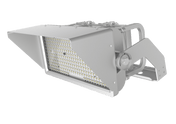

In the modern sports industry, lighting is no longer just about brightness—it’s about control, adaptability, and enhancing the overall experience for athletes, spectators, and broadcasters. Smart LED stadium lighting integrated with DMX512 technology has emerged as a transformative solution, offering precise remote dimming, flicker-free performance, and seamless synchronization for diverse events. But how does DMX512 work in stadium settings? Can these smart fixtures truly meet the rigorous demands of professional sports, concerts, and community events? This comprehensive guide breaks down the technical capabilities, real-world benefits, installation insights, and application scenarios of DMX512 smart LED stadium lighting—helping facility managers, event organizers, and municipal planners elevate their venues with cutting-edge lighting technology.
What Is DMX512, and Why It Matters for Stadium Lighting
DMX512 (Digital Multiplex 512) is a standard digital communication protocol widely used in professional lighting control. Originally developed for stage productions, it has evolved to become the gold standard for large-scale lighting systems—including stadiums, arenas, and outdoor sports facilities. The “512” refers to the protocol’s ability to control up to 512 individual lighting channels, each capable of adjusting brightness, color, and effects with pinpoint precision.
For stadiums, DMX512 solves a critical challenge: centralized control of hundreds of lighting fixtures across vast spaces. Unlike traditional lighting systems that require manual adjustments or basic on/off switches, DMX512 allows operators to manage every fixture from a single control panel (or even remotely via software). This means seamless transitions between lighting presets—e.g., dimming to 70% for practice sessions, ramping up to 100% for live games, or creating dynamic light shows for halftime performances.
Another key advantage of DMX512 is its low latency and reliability. In fast-paced sports environments, even a slight delay in lighting adjustments can disrupt gameplay or broadcasts. DMX512 transmits signals at high speed (250 kbps), ensuring instant responses to control commands. The protocol also supports daisy-chaining of fixtures, reducing the need for complex wiring and minimizing the risk of signal loss—critical for stadiums with extensive lighting networks.
Critics may wonder if DMX512 is overkill for small to mid-sized facilities. But the protocol’s scalability makes it suitable for venues of all sizes. Small community fields can use a basic DMX512 controller to manage 10–20 fixtures, while large professional stadiums can integrate it with IoT systems for full automation. Additionally, DMX512 is compatible with most modern LED fixtures, making it a future-proof investment for facilities looking to upgrade incrementally.
Flicker-Free Performance: A Game-Changer for Sports & Broadcasts
Flicker is a common issue with low-quality lighting—visible or invisible strobing that causes eye strain, headaches, and impaired visibility. For sports, this is more than a nuisance: it can affect athletes’ depth perception, reaction times, and overall performance. For broadcasters, flicker translates to distorted footage, especially in slow-motion replays or high-definition broadcasts.
DMX512 smart LED stadium lights eliminate flicker through two key technologies: high-frequency PWM (Pulse-Width Modulation) and constant current drivers. PWM operates at frequencies above 20kHz, which is undetectable to the human eye, ensuring smooth, consistent light output. Constant current drivers regulate power flow to the LED chips, preventing voltage fluctuations that cause flicker. The result is flicker-free lighting with a flicker index of <0.01—meeting the strict standards set by the International Electrotechnical Commission (IEC) and sports governing bodies like FIFA, NFL, and UEFA.
For athletes, flicker-free lighting enhances safety and performance. In sports like baseball, tennis, and hockey, where players track fast-moving objects, consistent light reduces visual fatigue and improves focus. For example, a tennis player can better judge the ball’s trajectory without the distraction of subtle strobing, while a football player can react faster to plays in low-light conditions.
For broadcasters, flicker-free DMX512 LEDs are non-negotiable. Modern cameras capture footage at 60fps (frames per second) or higher, and even minor flicker can cause banding or distortion in the final video. DMX512’s precise control ensures that light intensity remains stable across all frames, delivering crisp, professional-quality footage for live broadcasts, highlight reels, and streaming platforms. This is especially important for major events like playoffs or championships, where broadcast quality directly impacts viewership and revenue.
Remote Dimming: Flexibility for Every Event
One of the most valuable features of DMX512 smart LED stadium lighting is remote dimming—the ability to adjust brightness levels from anywhere, at any time. This flexibility transforms stadiums from one-purpose venues into multi-functional spaces that can host sports games, concerts, weddings, community events, and more.
Remote dimming via DMX512 offers granular control: brightness can be adjusted in 1% increments, from 0% (off) to 100% (full brightness). For sports, this means customizing lighting for different activities:
- 100% brightness for professional games and tournaments (meeting 200–300 lux requirements)
- 70–80% for practice sessions (reducing energy use without compromising visibility)
- 30–50% for youth leagues or recreational activities (creating a more relaxed environment)
For non-sports events, remote dimming unlocks creative possibilities. Concerts can use dynamic dimming to sync lights with music, while weddings or corporate events can adjust brightness for speeches, dinners, or dance floors. Facility managers can even set pre-programmed schedules—e.g., dimming lights automatically after events end or ramping up gradually at dusk—to save energy and improve convenience.
Advanced DMX512 systems also support group dimming, allowing operators to adjust specific zones of the stadium independently. For example, during a baseball game, the outfield lights can be dimmed slightly while the infield remains at full brightness, reducing glare for spectators in the outfield stands. Or, during a concert, the stage area can be brightly lit while the seating areas are dimmed for ambiance.
Remote control isn’t limited to on-site controllers, either. Modern DMX512 smart LED stadium lights can be integrated with cloud-based software, enabling managers to adjust lighting via smartphones, tablets, or computers—even when they’re off-site. This is a game-changer for facilities that host back-to-back events or need to make last-minute adjustments without sending staff to the control room.
Key Features of High-Quality DMX512 Smart LED Stadium Lights
Not all DMX512 smart LED stadium lights are created equal. To ensure you’re investing in a reliable, high-performance system, look for these critical features:
1. DMX512-RDM Compatibility
RDM (Remote Device Management) is an extension of the DMX512 protocol that allows two-way communication between controllers and fixtures. This means operators can monitor fixture status (e.g., voltage, temperature, lifespan) remotely, receive alerts for maintenance issues, and even update firmware without physically accessing each light. RDM saves time and money by reducing the need for on-site inspections and enabling proactive maintenance.
2. Durable, Weather-Resistant Design
Stadium lights face harsh environmental conditions—rain, wind, snow, UV radiation, and extreme temperatures. Premium DMX512 LED fixtures feature IP67 or IP68 waterproof ratings, corrosion-resistant aluminum housings, and impact-resistant lenses. They should also operate reliably in temperatures ranging from -40°F to 120°F, ensuring performance in all climates.
3. High CRI & Color Temperature Options
Color rendering index (CRI) measures how accurately a light source reproduces colors. For sports, a CRI of 80+ is essential for athletes to distinguish between uniforms, field lines, and equipment. Premium DMX512 LED stadium lights offer CRI 90+ options for broadcast-quality color accuracy. They also provide adjustable color temperatures (5000K–6500K), allowing facilities to switch between cool daylight (ideal for sports) and warmer tones (perfect for concerts or events).
4. Energy Efficiency & Long Lifespan
DMX512 smart LED stadium lights should deliver high efficiency (180LM/W or higher) to maximize energy savings. They should also have a lifespan of 50,000–100,000 hours—5–10 times longer than traditional metal halide lights—reducing replacement and maintenance costs. Look for fixtures with DLC (DesignLights Consortium) certification, which guarantees energy efficiency and quality.
5. Easy Integration with Existing Systems
Compatibility is key for retrofits. High-quality DMX512 LED stadium lights should integrate seamlessly with existing lighting infrastructure, including poles, wiring, and control systems. They should also support other protocols like DALI (Digital Addressable Lighting Interface) or IoT platforms (e.g., Bluetooth, Wi-Fi, LoRa) for enhanced connectivity.
Ideal Applications for DMX512 Smart LED Stadium Lighting
DMX512 smart LED stadium lights are versatile enough to enhance any sports or event venue:
1. Professional Stadiums & Arenas
From NFL football stadiums to NBA arenas, DMX512 lighting delivers the precision control needed for professional sports and high-profile events. It supports broadcast-quality, flicker-free lighting and dynamic dimming for halftime shows, playoffs, and championship games.
2. College & High School Athletic Facilities
Schools benefit from DMX512’s flexibility—using the same lighting system for football games, track meets, graduation ceremonies, and school dances. Remote dimming helps reduce energy costs, while easy integration with existing infrastructure makes retrofits simple.
3. Community Sports Fields & Parks
Municipalities use DMX512 smart LED lighting for soccer fields, baseball diamonds, and multi-purpose courts. The ability to adjust brightness for different age groups and events maximizes facility usage, while energy efficiency helps stretch limited budgets.
4. Indoor Sports Complexes
Gymnasiums, indoor soccer facilities, and ice rinks rely on DMX512 for flicker-free lighting that enhances visibility and reduces eye strain. Remote dimming is ideal for switching between practices, games, and indoor events.
5. Concert Venues & Event Spaces
Stadiums that host concerts, festivals, or corporate events benefit from DMX512’s dynamic control capabilities. Syncing lights with music, adjusting brightness for different event phases, and creating custom light shows elevates the attendee experience.
Cost Savings & ROI of DMX512 Smart LED Stadium Lighting
While DMX512 smart LED stadium lights have a higher upfront cost than traditional lighting, the long-term savings and return on investment (ROI) are substantial. Let’s break down the benefits for a mid-sized stadium with 30 fixtures:
| Metric | DMX512 Smart LED (1000W Actual) | 2000W Metal Halide | Annual Savings |
|---|---|---|---|
| Power Consumption (W) | 1000 | 2000 | -50% |
| Daily Usage (Hours) | 6 (with dimming: avg. 70%) | 6 | - |
| Annual Energy Use (kWh) | 1000 × 6 × 365 × 0.7 = 1,533,000 | 2000 × 6 × 365 = 4,380,000 | 2,847,000 kWh |
| Energy Cost (Average $0.12/kWh) | $183,960 | $525,600 | $341,640 |
| Lifespan (Years) | 15 | 2 | - |
| Maintenance Cost (Annual) | $3,000 | $25,000 | $22,000 |
| Total Lifespan Savings | - | - | $5,454,600 |
The dimming feature alone adds 10–20% to energy savings compared to non-dimmable LEDs. Additionally, DMX512’s remote monitoring reduces maintenance costs by enabling proactive repairs, while the long lifespan eliminates frequent replacements. Many utility companies also offer rebates for smart, high-efficiency lighting systems, further lowering upfront costs.
Beyond direct savings, DMX512 smart LED lighting can increase revenue by making stadiums more attractive for events. Broadcast-quality, flicker-free lighting attracts professional sports leagues and media partners, while dynamic dimming makes the venue suitable for concerts, weddings, and corporate events—opening up new revenue streams.
Final Thoughts: Is DMX512 Smart LED Stadium Lighting Worth It?
For sports facilities looking to modernize, enhance versatility, and reduce costs, DMX512 smart LED stadium lighting is a resounding yes. It delivers:
- Precise, centralized control via DMX512/RDM for seamless event management
- Flicker-free performance that meets athlete and broadcast standards
- Remote dimming flexibility for sports, concerts, and community events
- Energy savings of 50–70% compared to traditional lighting
- Long lifespan and low maintenance for maximum ROI
- Durable, weather-resistant design for reliable performance
Whether you’re managing a professional stadium, a community sports field, or a multi-purpose event space, DMX512 smart LED lighting transforms your venue into a more efficient, flexible, and engaging space. The upfront investment is quickly offset by energy savings, reduced maintenance, and new revenue opportunities.
When shopping for DMX512 smart LED stadium lights, choose a reputable manufacturer with certifications like DLC, ETL, and FCC. Look for fixtures with DMX512-RDM compatibility, high CRI, and durable construction to ensure long-term performance. With the right system, you’ll elevate your facility’s lighting from a functional necessity to a competitive advantage.