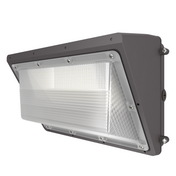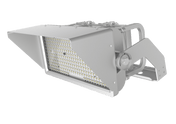

When it comes to sports lighting, two non-negotiables define success: uncompromising brightness to support peak athletic performance and clear visibility for spectators, and energy efficiency to keep operational costs in check. High-lumen LED stadium lights with 2000W equivalent output and 180LM/W (lumens per watt) efficiency have emerged as the gold standard for professional stadiums, community sports fields, arenas, and recreational complexes. But do these fixtures live up to the hype? Can they truly replace traditional metal halide or high-pressure sodium lights while delivering better performance and lower costs? This comprehensive guide dives into the technical specs, real-world benefits, installation insights, and application scenarios of 2000W equivalent 180LM/W LED stadium lights—helping sports facility managers, municipal planners, and event organizers make informed decisions for their lighting upgrades.
Why 180LM/W Efficiency Matters for Stadium Lighting
Lumens per watt (LM/W) is the ultimate measure of a lighting fixture’s energy efficiency: the higher the number, the more light output you get per unit of electricity consumed. For stadiums, which require massive illumination coverage (often spanning 10,000+ square feet), efficiency directly translates to cost savings and sustainability.
A 180LM/W LED stadium light outperforms traditional lighting by a landslide. Older metal halide lights typically offer just 60–80LM/W, meaning you’d need a 4000W metal halide fixture to match the light output of a 2000W equivalent 180LM/W LED. This translates to 50–60% lower energy bills—a game-changer for facilities that operate lights for 4–8 hours per night, 365 days a year. For a mid-sized stadium with 20 fixtures, switching to 180LM/W LEDs could save \(10,000–\)15,000 annually on electricity costs alone.
But efficiency isn’t just about cost: it’s about reducing environmental impact. 180LM/W LED stadium lights cut carbon emissions by up to 70% compared to metal halide alternatives. For eco-conscious municipalities and sports organizations aiming to meet sustainability goals (e.g., LEED certification), this efficiency rating is non-negotiable. Additionally, high-efficiency LEDs generate less heat, reducing the need for stadium cooling systems and extending the lifespan of surrounding equipment.
Critics may wonder if 180LM/W sacrifices brightness for efficiency—but the opposite is true. A 2000W equivalent 180LM/W LED stadium light delivers a whopping 360,000 lumens (2000W × 180LM/W), far exceeding the illumination requirements for most sports. Professional soccer fields, for example, require 200–300 lux (a measure of light intensity) at field level; a single 360,000-lumen LED fixture can cover 1,500–2,000 square feet at 250 lux, making it ideal for large-scale coverage with fewer fixtures.
2000W Equivalent: What It Means for Sports Performance
The term “2000W equivalent” is crucial for understanding how LED stadium lights stack up against traditional fixtures. It refers to the fact that the LED fixture produces the same (or higher) light output as a 2000W metal halide or sodium lamp—while consuming far less actual power. Most 2000W equivalent LED stadium lights use just 800–1200W of real electricity, cutting energy use by 40–60% compared to their traditional counterparts.
For athletes, this equivalent brightness translates to superior visibility that enhances performance and safety. 2000W equivalent LEDs deliver crisp, uniform light with minimal glare and shadow distortion—critical for fast-paced sports like football, basketball, and tennis, where split-second decisions depend on clear visibility of the ball, opponents, and field markings. Unlike metal halide lights, which take 10–15 minutes to warm up to full brightness and dim over time, LED stadium lights reach 100% output instantly and maintain consistent illumination throughout their lifespan.
Another key advantage of 2000W equivalent LEDs is their color rendering index (CRI). Most high-quality models have a CRI of 80+ (with premium options reaching 90+), which means they accurately reproduce colors—vital for both athletes (who need to distinguish between uniforms and field lines) and spectators (whether in the stands or watching on TV). Traditional metal halide lights often have a CRI of 60–70, leading to washed-out colors and reduced visual clarity.
For televised events, 2000W equivalent 180LM/W LEDs are a game-changer. They meet the strict lighting standards set by sports broadcasters (e.g., FIFA, NFL, NBA), which require consistent light intensity across the entire field (±10% variation) and minimal flicker. LEDs operate at a high frequency (50–60Hz), eliminating the flicker that plagues traditional lights and causes eye strain for viewers and athletes alike. This makes them ideal for live broadcasts, highlight reels, and slow-motion replays that demand sharp, clear footage.
Key Features of High-Quality LED Stadium Lights (2000W Equivalent, 180LM/W)
Not all 2000W equivalent 180LM/W LED stadium lights are created equal. To ensure you’re investing in a reliable, high-performance fixture, look for these critical features:
1. Durable, Weather-Resistant Construction
Stadium lights are exposed to extreme weather conditions—heavy rain, strong winds, snow, UV radiation, and temperature fluctuations (from -40°F to 120°F). Premium LED fixtures feature robust aluminum alloy housings with IP67 or IP68 waterproof ratings, preventing water, dust, and debris from damaging internal components. They also include corrosion-resistant coatings to withstand saltwater (for coastal stadiums) and harsh chemicals (for indoor arenas).
2. Precision Optics for Targeted Illumination
Wasting light is costly and inefficient. Top-tier LED stadium lights use advanced optical lenses (e.g., TIR lenses, reflector cups) to direct light exactly where it’s needed—on the field, not in the stands or surrounding areas. This targeted illumination reduces light pollution, minimizes glare for spectators and nearby residents, and ensures uniform coverage with no dark spots. Many fixtures also offer adjustable beam angles (15°–120°), allowing customization for different sports (e.g., narrow beams for tennis courts, wide beams for soccer fields).
3. Long Lifespan & Low Maintenance
LED stadium lights have a lifespan of 50,000–100,000 hours—5–10 times longer than metal halide lights (5,000–10,000 hours). This means fewer replacements: a single LED fixture can last 10–20 years with regular use, reducing maintenance costs and downtime. Unlike traditional lights, LEDs have no filaments or bulbs to burn out, and they’re resistant to vibration (critical for stadiums with loud crowds or nearby traffic).
4. Smart Control Compatibility
Modern sports facilities demand smart lighting solutions. High-quality 2000W equivalent LED stadium lights are compatible with dimming controls, motion sensors, and IoT (Internet of Things) systems. This allows facility managers to adjust brightness levels based on the event (e.g., full brightness for games, reduced brightness for practice sessions), set schedules for automatic on/off, and monitor energy usage in real time. Some advanced models even support remote control via smartphone or computer, making it easy to manage lighting across multiple fields or arenas.
5. Thermal Management
Heat is the enemy of LED performance. Overheating can reduce brightness, shorten lifespan, and cause color shift. Premium LED stadium lights include advanced thermal management systems—such as heat sinks, copper heat pipes, and convection cooling—to dissipate heat efficiently. This ensures the fixture operates at optimal temperature, maintaining 180LM/W efficiency and consistent light output for years.
Ideal Applications for 2000W Equivalent 180LM/W LED Stadium Lights
These high-lumen LED fixtures are versatile enough to meet the lighting needs of virtually any sports facility:
1. Professional Stadiums & Arenas
From NFL football stadiums to NBA arenas, 2000W equivalent 180LM/W LEDs deliver the brightness, uniformity, and broadcast-quality lighting required for professional events. They can replace 4000W+ metal halide lights while reducing energy costs and maintenance.
2. Community Sports Fields
Municipalities and parks departments rely on these LEDs for soccer fields, baseball diamonds, and track-and-field facilities. Their energy efficiency helps stretch limited budgets, while their durability stands up to heavy public use.
3. College & High School Athletic Facilities
Schools need lighting that supports practice sessions, games, and student safety. 2000W equivalent LEDs offer the perfect balance of brightness and cost savings, with instant-on functionality that’s ideal for after-school practices.
4. Indoor Sports Complexes
Gymnasiums, indoor soccer facilities, and ice rinks benefit from the low heat output and uniform lighting of LEDs. Unlike metal halide lights, which generate intense heat that can affect indoor temperature, LEDs keep facilities cool and comfortable.
5. Recreational Areas
Golf courses (driving ranges), tennis courts, and skate parks require targeted, glare-free lighting. Adjustable beam angles and high CRI make 2000W equivalent LEDs ideal for these spaces, enhancing safety and user experience.
Cost Savings: LED vs. Traditional Stadium Lighting
The upfront cost of LED stadium lights is higher than traditional metal halide or sodium lights—but the long-term savings more than offset the initial investment. Let’s break down the numbers for a mid-sized soccer stadium with 24 fixtures:
|
Metric
|
2000W Equivalent LED (1000W Actual)
|
2000W Metal Halide
|
Annual Savings
|
|
Power Consumption (W)
|
1000
|
2000
|
-50%
|
|
Daily Usage (Hours)
|
6
|
6
|
-
|
|
Annual Energy Use (kWh)
|
1000 × 6 × 365 = 2,190,000
|
2000 × 6 × 365 = 4,380,000
|
2,190,000 kWh
|
|
Energy Cost (Average $0.12/kWh)
|
$262,800
|
$525,600
|
$262,800
|
|
Lifespan (Years)
|
15
|
2
|
-
|
|
Total Energy Cost Over Lifespan
|
$3,942,000
|
$3,942,000 (Replaced 7x)
|
$3,942,000
|
|
Maintenance Cost (Annual)
|
$5,000
|
$25,000
|
$20,000
|
|
Total Lifespan Savings
|
-
|
-
|
$4,242,000
|
As the table shows, the LED investment pays for itself in just 1–2 years, with millions in savings over the fixture’s lifespan. Additionally, many utility companies offer rebates for switching to high-efficiency LEDs, further reducing upfront costs.
Final Thoughts: Are 2000W Equivalent 180LM/W LED Stadium Lights Worth It?
For sports facilities looking to upgrade their lighting, the answer is a resounding yes. High lumen LED stadium lights with 2000W equivalent output and 180LM/W efficiency deliver:
- Superior brightness and visibility for athletes and spectators
- 50–60% lower energy costs compared to traditional lighting
- 5–10 times longer lifespan with minimal maintenance
- Compliance with broadcast and safety standards
- Reduced environmental impact (lower carbon emissions, less light pollution)
- Smart control options for customization and efficiency
Whether you’re managing a professional stadium, a community sports field, or an indoor complex, these LEDs offer unmatched value, performance, and reliability. The upfront investment is a small price to pay for decades of cost savings, improved user experience, and sustainability.
When shopping for 2000W equivalent 180LM/W LED stadium lights, be sure to choose a reputable manufacturer with certifications like DLC (DesignLights Consortium), ETL, and FCC—these ensure the fixture meets strict quality, safety, and efficiency standards. With the right lighting, you’ll transform your sports facility into a safer, more efficient, and more enjoyable space for everyone.