
When the weather cooperates, communities anticipate a surge in outdoor activities—evening strolls through the park, late-night gatherings at local eateries, and pickup games on neighborhood courts. A vibrant energy brings people together in shared spaces.
But when the sun goes down, that energy can fade—unless the lighting is right.
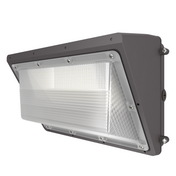
LED area lights have transformed how we illuminate public spaces. They offer a powerful combination of energy efficiency, superior light quality, and smart control capabilities that legacy systems simply cannot match. They can deter crime, extend the hours of community use, boost local economies, and protect the night sky.
This guide explores how LED area lights enhance public spaces, the key factors in selecting the right system, and how they can be implemented to create safer, more welcoming, and more sustainable communities.
1. The Power of Light: Why It Matters in Public Spaces
Effective lighting does more than just illuminate—it transforms environments. Well-placed, high-quality lighting enhances visibility, making it easier for pedestrians and motorists to navigate their surroundings and acts as a powerful deterrent to criminal activity.
Safety and Perception
The link between lighting and public safety is both intuitive and well-documented. Research shows that better lighting is connected with reductions in nighttime crime and, perhaps more importantly, the fear of crime that keeps people indoors. In fact, studies have found that upgrading streetlights to LEDs correlates with significant reductions in nighttime crime.
There is a critical distinction, however. While increasing the average brightness (illuminance) is important, the uniformity of lighting—how evenly light is distributed—is even more critical in making people feel safe. Uniform lighting prevents dark spots where people might feel hidden or vulnerable.
Community and Economy
Thoughtfully designed lighting schemes do more than deter crime; they foster a sense of community and boost the local economy by making streets, plazas, and parks more inviting after dark. When people feel safe, they linger longer, increasing social interaction and patronage of nearby businesses.
Great public spaces become true "third places" when families feel comfortable lingering after work or during darker afternoons, transforming underused locations into lively community assets.
2. Key Benefits: Why LED is the Solution
LED area lights are the ideal choice for public spaces for several compelling reasons:
Energy Savings and Reduced Costs
LED lights use significantly less power than traditional high-pressure sodium or metal halide lights, delivering energy savings of 50% to 70%. This translates into substantial savings on energy bills and a lower carbon footprint. The longer lifespan of LEDs—typically lasting 25,000 to 50,000 hours—also means fewer lamp replacements, drastically cutting maintenance costs.
Superior Light Quality
LEDs deliver focused, high-CRI (Color Rendering Index) light that enhances visibility for both pedestrians and drivers, improving safety and reducing accident risks. The ability to choose the right CCT (Correlated Color Temperature) allows you to match the lighting to the character of the space.
Smart Controls
Modern LED systems can be easily integrated with smart controls, allowing for:
-
Adaptive lighting: Brightness can adjust based on pedestrian activity, business hours, and natural light availability to balance energy efficiency and security.
-
Dimming capabilities: Lights can be dimmed during low-traffic hours to save energy, and quickly brightened in response to motion.
-
Real-time management: Software platforms allow centralized scheduling of all lights, making lighting behaviors easy to manage and modify based on seasons, events, and other considerations.
3. Tailoring Lighting to Different Public Spaces
Different spaces have different needs. A bustling commercial district requires different lighting than a quiet residential park. Here are some guidelines:
Parks, Playgrounds, and Pedestrian Paths
Commercial Districts and Plazas
4. Balancing Safety with Dark Sky Compliance
As communities strive to enhance nighttime environments, the challenge of adhering to "dark sky" requirements has become a critical one. DarkSky International advocates for reducing light pollution through smart lighting solutions.
Key Principles for Dark Sky Compliance
-
Minimize Blue Light: Use warm CCTs at or below 3000K, which are less intrusive to wildlife and human circadian rhythms and produce less skyglow.
-
Use Shielded Fixtures: Employ full-cutoff fixtures that direct light downward and prevent uplight into the night sky.
-
Incorporate Smart Controls: Use dimmers, timers, and motion sensors to ensure lights are at full brightness only when needed.
BUG Rating (Backlight, Uplight, Glare) is a system developed by the IES and International Dark Sky Association to describe the unwanted light emitted from an outdoor fixture. For public spaces, targeting a BUG rating like B1-U0-G2 or better ensures minimal light trespass and glare.
Wasted light means wasted energy. Each unnecessary kilowatt-hour adds to carbon emissions and municipal costs. Avoiding unnecessary light has become both an ecological and economic imperative.
5. Selection and Implementation Strategies
Start with the Photometrics
Determine the right light level. A photometric plan will clarify the number of poles, mounting height, and distribution needed for target illuminance and uniformity. The IES RP-8 family provides a north star for design objectives like visibility, contrast, and energy stewardship.
Choose the Right Distribution Pattern
The IES defines distribution patterns for outdoor lighting. Selecting the right one is critical for efficiency and uniformity:
Integrate Smart Lighting
Implement a system with controls that allow for adaptive lighting, such as motion sensors to reduce output when spaces are empty or centralized scheduling to match lighting to seasonal changes. For example, the nLight® AIR system allows luminaires to be grouped to respond to a single motion sensor, providing a superior experience and helping with energy code compliance.
Pay Attention to Aesthetics
For public spaces, the visual impact of the fixtures themselves is a crucial consideration. Look for designs that are "striking yet unobtrusive," blending seamlessly with the environment. The elegance of a luminaire can enhance the urban character and identity of a space.
6. Frequently Asked Questions
Q: What type of LED area light is best for a park?
A: Look for fixtures with warm CCT (2700K–3000K), full-cutoff shielding to prevent glare and light trespass, and Type II or III distribution for lighting pathways and open areas.
Q: How much energy can a city save by switching to LED area lights?
A: Cities can see energy savings of 50–70% by upgrading from high-pressure sodium or metal halide to LEDs. For example, the City of Los Angeles retrofitted over 140,000 streetlights with LEDs and achieved annual savings of approximately $10 million.
Q: What is the best color temperature for public spaces?
A: 3000K is recommended for residential areas and parks, creating a warm, welcoming atmosphere. 4000K is suitable for commercial districts and high-activity zones where alertness is desired.
Q: Can LED area lights be used with solar power?
A: Yes. Modern solar lighting systems pair high-efficiency LED luminaires with advanced battery storage, offering a cost-effective and sustainable solution for parks and recreation areas, especially where grid power is expensive or difficult to extend.
Q: What is the lifespan of a typical LED area light?
A: Premium LED area lights have L70 ratings of 50,000 to 100,000 hours. At 4,000 hours of use per year, this translates to 12.5 to 25 years of operation.
Final Verdict
LED area lights are an essential tool for creating vibrant, safe, and sustainable public spaces. They deliver superior visibility, reduce operating costs, and offer the flexibility of smart controls to adapt to the unique needs of different community zones.
The bottom line: By thoughtfully designing and implementing LED area light solutions, communities can reduce light pollution, enhance perceptions of public safety, encourage social interaction, foster economic development, and build healthier, more resilient neighborhoods for everyone.