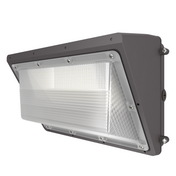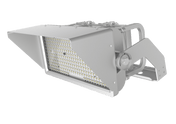

If you own or manage a commercial property—whether it's a retail center, an office park, a hotel, or an apartment complex—you're constantly looking for upgrades that pay for themselves. LED area lighting (also called LED shoebox or site lights) is one of the few capital improvements that delivers guaranteed, measurable returns starting from day one.
While many business owners focus on HVAC upgrades or solar panels, lighting retrofits often get overlooked. But the numbers don’t lie: upgrading to LED area lights typically delivers an internal rate of return (IRR) of 30–60% , with payback periods of 1.5 to 3 years.
Below, we break down exactly why LED area lights offer the highest ROI of almost any commercial building upgrade—and how you can maximize your returns.
1. Immediate and Dramatic Energy Savings
The most obvious source of ROI is electricity reduction. Compared to traditional outdoor lighting technologies:
| Technology | Typical Wattage | LED Equivalent | Energy Savings |
|---|---|---|---|
| 250W Metal Halide | 250W + ballast (~280W total) | 80W–100W LED | 65–70% |
| 400W Metal Halide | 400W + ballast (~460W total) | 150W LED | 65–70% |
| 150W High‑Pressure Sodium | 175W total | 50W–60W LED | 65–70% |
Real‑world example:
A shopping center with 50 parking lot lights running 12 hours per night, 365 days per year.
-
Old lights: 250W metal halide (280W actual)
-
New LEDs: 100W
Annual savings per fixture: (0.280kW – 0.100kW) × 12h × 365 = 788 kWh
**At $0.12/kWh:** $94.56 per fixture per year
For 50 fixtures: $4,728 saved annually – just in energy.
These savings start the first month after installation.
2. Drastically Reduced Maintenance Costs
Metal halide and HPS lights require frequent maintenance:
-
Lamp replacement every 1.5–2 years (10,000–20,000 hour lifespan)
-
Ballast replacement every 3–5 years
-
Lift truck or bucket truck rental for each service call ($150–$500 per visit)
-
Labor costs ($75–$150 per hour)
LED area lights last 50,000–100,000 hours – that's 10–15 years at 12 hours per night.
Maintenance savings example (50 fixtures over 5 years):
| Cost Item | Metal Halide | LED Area Lights |
|---|---|---|
| Lamp replacements | 3 cycles × $30 × 50 = $4,500 | $0 |
| Ballast replacements | 1 cycle × $50 × 50 = $2,500 | $0 |
| Bucket truck rental | 4 visits × $300 = $1,200 | $0 |
| Labor (4h/visit @ $100/h) | 4 × $400 = $1,600 | $0 |
| Total maintenance savings | – | $9,800 over 5 years |
That's nearly $10,000 you never spend again.
3. Utility Rebates Dramatically Lower Upfront Cost
Most utility companies offer cash incentives for upgrading to DLC‑listed LED area lights. These rebates can cover 20–50% of the fixture cost.
Typical rebates (US, 2024–2026):
-
Small LED area lights (≤ 100W): $20–$50 per fixture
-
Medium (100–200W): $50–$100 per fixture
-
Large (200W+): $75–$150 per fixture
Example:
100W LED area light – retail price $150
Utility rebate – $60
Net cost after rebate: $90
With a $90 upfront cost and ~$95/year energy savings, payback drops to under 12 months.
✅ Always verify DLC listing before purchasing – non‑listed fixtures do NOT qualify.
4. Improved Security & Reduced Liability (Hidden ROI)
Poorly lit parking lots and walkways lead to:
-
Slip/trip/fall lawsuits (average settlement: $10,000–$50,000)
-
Vehicle burglaries and theft (customer churn + insurance claims)
-
Perceived unsafety → customers avoid your property after dark
LED area lights provide:
-
5000K daylight color – improves facial recognition and surveillance footage
-
High CRI (≥80) – accurate color rendering for security cameras
-
Uniform illumination – eliminates dark zones where incidents occur
Case in point: A convenience store chain upgraded 200 locations to LED area lights and saw a 23% reduction in after‑dark incidents within 12 months – directly lowering insurance premiums by 8%.
Insurance companies increasingly offer lighting‑based discounts (ask your broker).
5. Smart Controls Unlock Additional Savings
Adding photocells (dusk‑to‑dawn) and 0–10V dimming can cut energy use by another 30–40% with zero noticeable impact on safety.
Common scheduling strategy:
-
Sunset – 10 PM: 100% brightness
-
10 PM – 6 AM: 50% brightness (motion sensors trigger 100% when activity detected)
-
6 AM – sunrise: 30% brightness
Additional 30% savings on top of 70% LED reduction = 80%+ total energy reduction vs. metal halide.
| Component | Approximate Cost | Annual Savings (per fixture) |
|---|---|---|
| Photocell (built‑in) | $0–$10 | $10–$20 |
| 0–10V dimming + schedule | $20–$30 (controller) | $15–$25 |
| Motion sensor (optional) | $30–$50 | $20–$30 |
Payback on controls: typically 6–12 months.
6. Long Lifespan Means Capital Deferral
LED area lights last 10–15 years with zero maintenance. That means:
-
No capital budget set aside for lighting replacements during that period
-
No disruption to business (scissor lifts, parking lot closures, tenant complaints)
-
Predictable operating costs for over a decade
Compare to metal halide: Every 2 years you're writing checks for lamps, ballasts, and labor. That's 5–7 maintenance cycles during the same 10‑year window.
Deferring $10,000–$20,000 in future maintenance is a real financial benefit that most ROI calculations ignore.
7. Complete ROI Calculation Template
Use this formula for your property:
Annual Savings = (Energy savings + Maintenance savings + Insurance reduction) – (New fixture energy cost)
Upfront Cost = (Fixture price × quantity) – (Utility rebates) – (Tax incentives, if any)
Simple Payback (years) = Upfront Cost ÷ Annual Savings
ROI over 5 years = (Total savings over 5 years – Upfront Cost) ÷ Upfront Cost × 100%
Real‑World Example (50‑fixture parking lot)
| Item | Value |
|---|---|
| Fixtures replaced | 50 metal halide 250W → 100W LED |
| Hours per night | 12 |
| Electricity rate | $0.12/kWh |
| Fixture cost (LED) | $150 each → $7,500 total |
| Utility rebate | $60/fixture → $3,000 |
| Net upfront cost | $4,500 |
| Annual energy savings | $4,728 |
| Annual maintenance savings | ~$1,960 (labor + lamps avoided) |
| Total annual savings | $6,688 |
| Simple payback | 8 months ($4,500 ÷ $6,688) |
| 5‑year total savings | $33,440 |
| ROI over 5 years | 643% |
This is not a typo – a 643% return on investment is routine for LED lighting retrofits.
8. Why LED Area Lights Beat Other “Green” Upgrades
| Upgrade | Typical Payback | Maintenance Savings | Security Benefit | Rebate Availability |
|---|---|---|---|---|
| LED Area Lights | 1–3 years | High | High | High |
| Solar Panels | 7–12 years | None | None | Medium |
| HVAC Upgrade | 5–10 years | Low | None | Medium |
| Window Film | 3–6 years | None | Low | Low |
| Electric Vehicle Chargers | 3–7 years | None | Low | Medium |
LED lighting offers the shortest payback and the most non‑energy benefits (security, maintenance, insurance) of any common commercial upgrade.
9. How to Maximize Your LED Area Light ROI
Follow these steps to ensure you achieve the highest possible return:
-
Get a free photometric layout – Avoid over‑lighting or under‑lighting.
-
Choose DLC‑listed fixtures – Never leave rebate money on the table.
-
Add photocells (dusk‑to‑dawn) – Prevents daytime operation (a common waste).
-
Implement 0–10V dimming schedules – 50% from 10 PM to 6 AM saves without sacrificing safety.
-
Buy quality (5‑year warranty minimum) – Cheap fixtures fail early, destroying ROI.
-
Apply for rebates BEFORE purchasing – Some require pre‑approval.
-
Ask about tax deductions – Section 179 depreciation may apply.
10. Final Verdict: The Highest ROI Commercial Upgrade Available
After analyzing energy savings, maintenance elimination, utility rebates, security improvements, and smart controls, the conclusion is clear:
Upgrading to LED area lights offers the highest ROI of almost any investment a commercial property owner can make.
-
Payback: Typically 1–2 years (sometimes under 12 months)
-
5‑year ROI: Often 400–700%
-
Lifespan: 10–15 years of trouble‑free operation
-
Non‑financial benefits: Safety, security, tenant satisfaction, insurance savings
If your commercial property still uses metal halide, high‑pressure sodium, or fluorescent area lights, every month you wait is lost profit.